
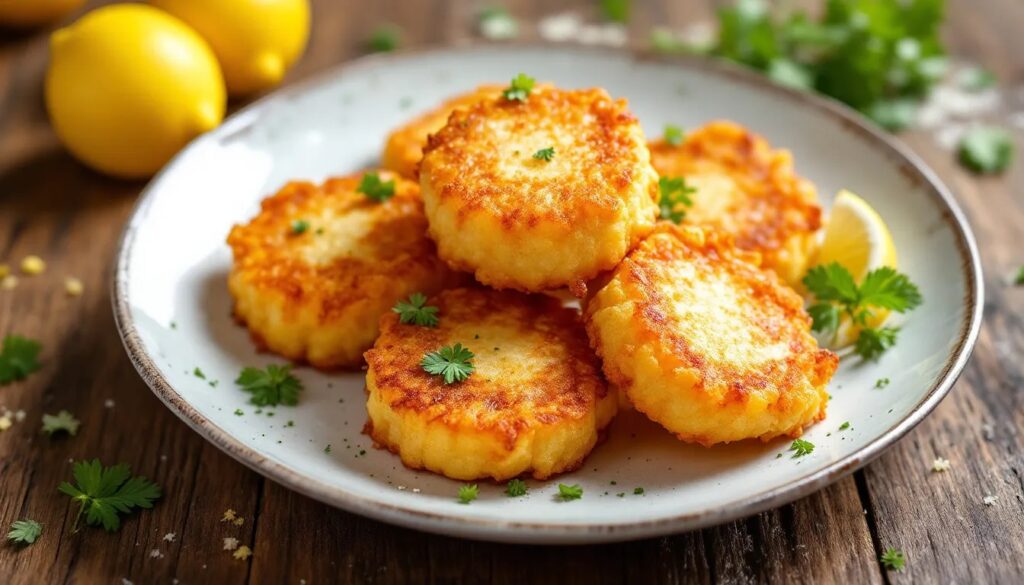
The whisper of sizzling oil, the sweet perfume of citrus, and the promise of a tender, golden bite – these are the hallmarks of a truly timeless treat: Sweet Lemon Fritters. Far more than a mere dessert, these humble morsels are a culinary canvas upon which centuries of human history, migration, and simple joy have been painted. From ancient Roman kitchens to bustling medieval markets and festive family tables of today, the fritter, in its myriad forms, has always represented comfort and celebration.
Tracing its lineage, the fritter, a simple fried dough, finds its earliest ancestors in antiquity. The Romans delighted in “globuli,” small balls of dough fried and drizzled with honey, while across Asia, similar fried doughs were a staple. As civilizations intertwined, so too did their culinary traditions. By the Middle Ages, variations of fried dough were common across Europe, evolving into what we recognize as fritters today, often enjoyed during periods of feasting like Carnival or special religious observances, offering a burst of rich sweetness before Lenten abstinence.
Our “Sweet Lemon Fritters” recipe, with its distinct embrace of bright lemon zest and the subtle sophistication of brandy, speaks volumes of its probable Southern European, particularly Italian, heritage. Italian culinary history is replete with variations of “frittelle” or “zeppole” – delightful fried doughs prepared for holidays like Carnevale, San Giuseppe, or Christmas. The incorporation of lemon is a tell-tale sign of the Mediterranean’s influence, where the fruit, originally from the slopes of the Himalayas, found its second home, thriving in the warm climate and becoming integral to regional cuisines after its introduction by Arab traders around the 10th century. Its sharp, aromatic zest provides a beautiful counterpoint to the richness of the fried dough and the sweetness of sugar.
Vanilla, another key player, embarks on a completely different journey. Originating from the rainforests of Mesoamerica, particularly Mexico, this aromatic orchid bean remained a secret of indigenous cultures for centuries. It was Columbus’s voyages and the subsequent Columbian Exchange that introduced vanilla to the Old World, though its widespread cultivation and integration into European desserts truly took hold in the 17th and 18th centuries, transforming sweet cookery with its intoxicating fragrance. Meanwhile, granulated sugar, the sweet backbone of this recipe, tells its own epic tale of global trade and colonization, migrating from its botanical origins in Southeast Asia and India, through the Middle East, and eventually becoming a mass-produced commodity that fueled empires. Brandy, distilled from wine, grounds the recipe firmly in European traditions, adding a sophisticated depth to the batter.
Preparing these fritters is a delightful experience that transcends generations. The simple act of combining flour, eggs, and leavening into a tender batter, then infusing it with vibrant lemon and a touch of spirits, is a culinary alchemy. The trick to perfect fritters lies in the oil temperature – too cold, and they’re greasy; too hot, and they burn before cooking through. Aim for a steady medium-high heat, ensuring a golden, crisp exterior and a light, airy interior. When zesting your lemon, remember to avoid the bitter white pith, capturing only the fragrant yellow rind. Once fried to perfection, a generous dusting of confectioner’s sugar creates a delicate snowy cap, enhancing their visual appeal and adding another layer of sweetness. Serve them warm, perhaps alongside a cup of coffee or a digestivo, and savor a taste of history, migration, and pure culinary pleasure.
SWEET LEMON FRITTERS
Transport yourself to a bygone era of heartwarming gatherings with these exquisite Sweet Lemon Fritters. Each golden, ethereal cloud, born from a heritage of cherished recipes, delivers a delightful journey for the senses. A delicate crisp exterior yields to a pillowy interior, where the vibrant zest of sun-kissed lemon dances harmoniously with subtle whispers of aged brandy, all embraced by a dusting of snowy confectioner’s sugar. They are more than just a treat; they are an invitation to savor life’s simple, luxurious pleasures, perfect for sharing and creating new, lasting memories.
Ingredients
-
4
eggs -
2.5
cups
flour -
5
tsp
brandy -
0.5
tsp
vanilla extract -
oil
for deep frying -
5
tbsp
granulated sugar -
5
tbsp
vegetable oil -
pinch
salt -
grated rind
of 4 lemons - confectioner’s sugar
Instructions
-
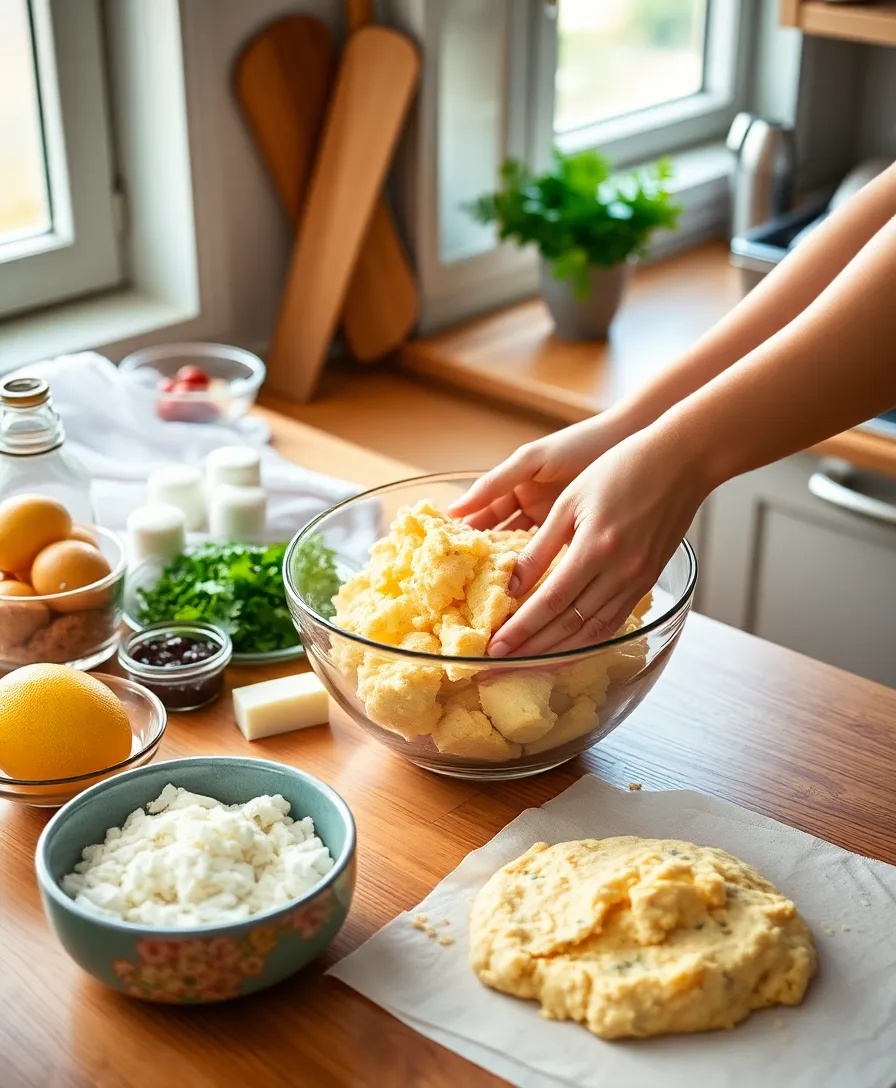
In a generous mixing bowl, gently whisk the fresh eggs until just broken. Gradually incorporate the granulated sugar, continuing to beat the mixture vigorously until it transforms into a pale, aerated, and delightfully fluffy consistency.
-
To this ethereal egg and sugar base, meticulously fold in the all-purpose flour, the specified measure of premium vegetable oil, the sophisticated touch of brandy, a delicate pinch of fine salt, the fragrant vanilla extract, and the bright zest of fresh lemon rind. Employ a spatula or whisk to combine all elements thoroughly until a cohesive and smooth batter is achieved, ensuring no dry pockets remain.
-
In a robust, deep-sided pan or Dutch oven, pour a sufficient quantity of neutral-flavored oil for deep frying. Gently heat the oil over medium-high heat until it reaches its optimal temperature for frying (approximately 350-375°F / 175-190°C), indicated by a subtle shimmer or a test droplet of batter sizzling immediately upon contact.
-
Using a small spoon or a clean teaspoon, carefully portion and release small, uniform dollops of the prepared batter into the shimmering hot oil, taking care not to overcrowd the pan. Fry in batches to maintain a consistent oil temperature.
-
Allow the fritters to fry undisturbed for several minutes on each side, turning them occasionally with tongs, until they achieve a magnificent, uniformly golden-brown hue, appear beautifully puffed, and are cooked through to perfection.
-
With a slotted spoon, carefully transfer the fried fritters to a plate lined with premium absorbent paper or a wire rack set over a tray, allowing any excess oil to drain away. While still exquisitely warm, generously dust the fritters with a delicate snowfall of confectioner’s sugar.
-
Present these exquisite delights immediately, while their internal warmth and exterior crispness are at their peak, offering an unparalleled sensory experience.
Recipe Notes
This cherished recipe, a testament to timeless home baking and convivial indulgence, is graciously shared by culinary enthusiast Doug Venable, whose rendition perfectly captures the spirit of effortless elegance.
Global Heritage Archive
Anthropological & Spice Migration Record
“A culinary culture rich in festivals and celebrations, where sweet fried doughs are a cherished tradition, often flavored with citrus and spirits.”
🌿 Spice & Botanical Migration
Lemon, native to Asia (likely Northeast India, China), was introduced to the Mediterranean by Arab traders around the 10th-11th century, quickly becoming a staple in Southern European cuisine. Vanilla, originating from Mesoamerica (Mexico), was brought to Europe after the Columbian Exchange in the 16th century, its use solidifying in desserts from the 17th-18th centuries. Sugar, initially from Southeast Asia, traveled via ancient trade routes to the Middle East and Mediterranean, before becoming globally widespread through colonial expansion.
🏺 Historical & Archaeological Record
The oldest archaeological evidence of a recipe of this type points to ancient Rome, where ‘globuli’—small fried dough balls—are documented in the 4th-century CE cookbook Apicius, often served with honey or syrup. This represents one of the earliest written records of a sweet fried dough.
💡 Little Known Facts
- Fritters have ancient Roman roots, with ‘globuli’ being small fried dough balls mentioned in the 4th-century CE cookbook Apicius.
- Many Italian fritter variations (like frittelle or zeppole) are traditionally associated with specific holidays and festivals, particularly Carnival, Epiphany, and St. Joseph’s Day.
📸 Made This Heritage Recipe?
We would love to see how your dish turned out! Send a photo of your culinary creation to [email protected] to be featured in our community gallery.
Leave a review and rate this recipe below!
Curated Literature & Washington DC Downtown Calendar
The Culinary Alchemist: Modern Gastronomy & Flavor Pairing
By LDN Gastronomy Series
Artisanal technique, seasonal sourcing, and kitchen mastery.
Upcoming Downtown Happenings
Live acoustic sessions, gallery receptions, literary salons, and independent trade shows across Washington DC.
