
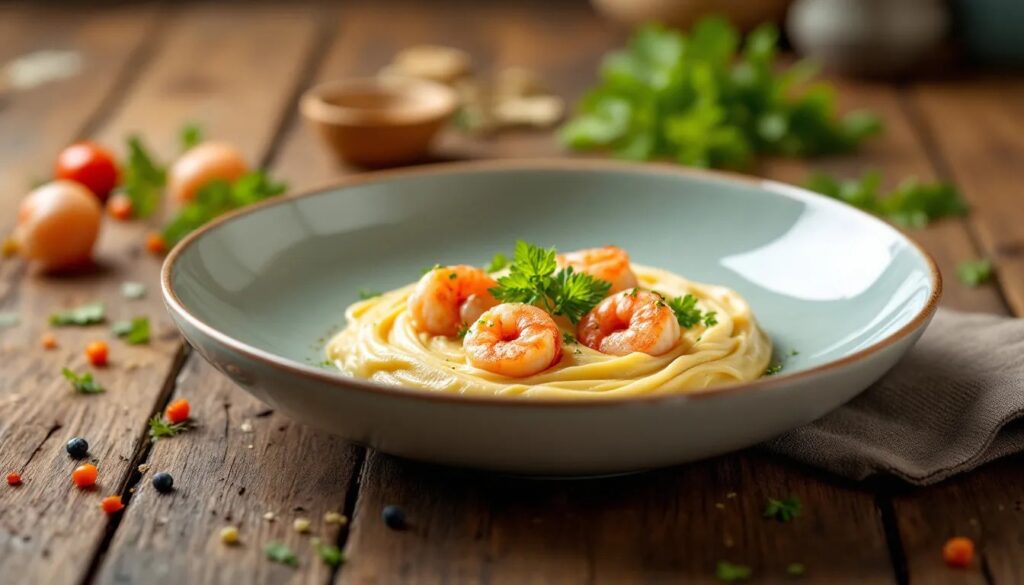
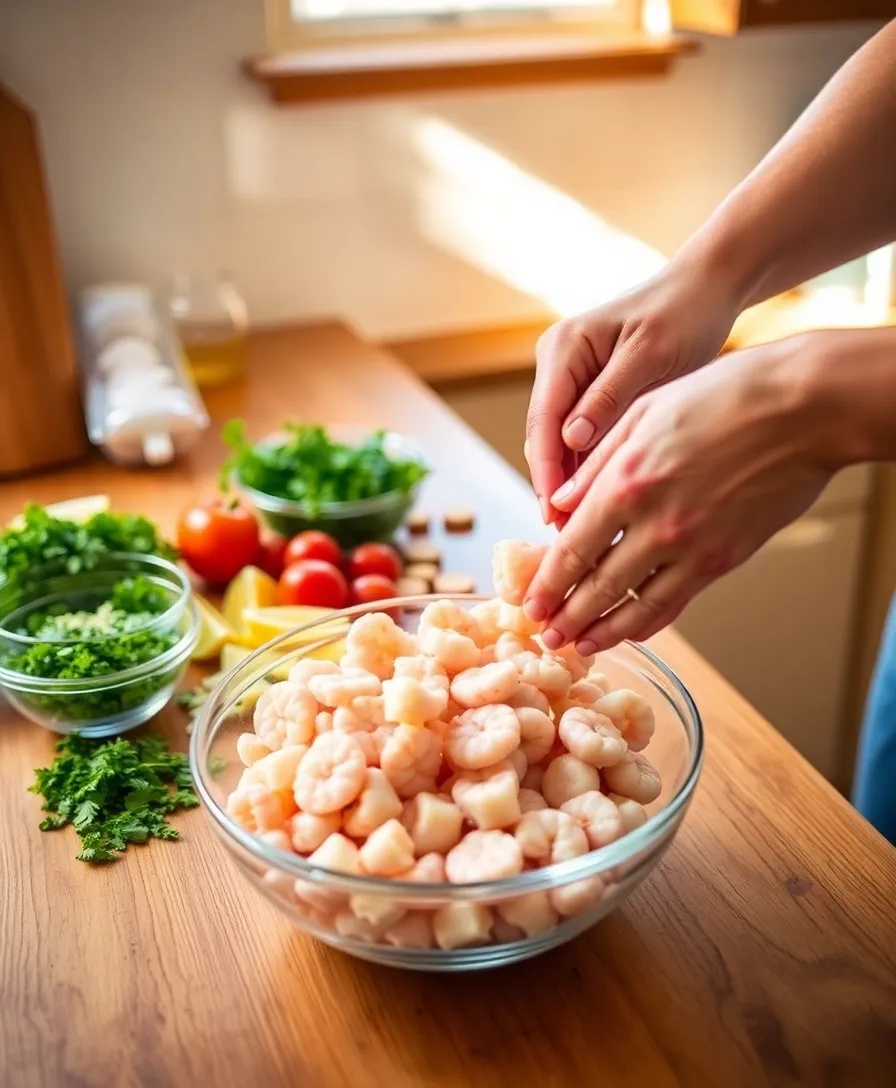
In the annals of American culinary history, few dishes evoke such a potent blend of nostalgia, bemusement, and an undeniable dash of mid-century charm as the savory gelatin mold. And among its myriad forms, the ‘Shrimp Mousse Molded’ stands as a shimmering testament to an era’s gastronomic aspirations. Far from a mere curiosity, this dish encapsulates a significant chapter in how Americans ate, entertained, and even perceived modernity in the kitchen.
The mid-20th century, particularly the post-World War II boom years, saw a profound transformation in American households. New technologies, like the ubiquitous refrigerator, became standard, freeing home cooks from the immediate pressures of daily consumption and opening doors to novel culinary expressions. Simultaneously, the rise of processed foods and convenience items promised liberation from the drudgery of the kitchen. Enter gelatin: an ancient gelling agent, now available in easily dissolvable, pre-packaged forms. It was the perfect canvas for this new era.
While the specific ingredients for ‘Shrimp Mousse Molded’—unflavored gelatin, cold water, and lemon juice—might seem starkly minimalist, they represent the binding core of a much richer culinary creation. The full recipe, understood by any homemaker of the period, would have included cooked, finely chopped shrimp, often bound with mayonnaise or cream cheese, and perhaps brightened with minced celery, onion, or a dash of paprika. The genius lay in transforming these humble ingredients into something visually spectacular, an edible sculpture destined to grace buffet tables and bridge club luncheons.
The historical lineage of molded dishes stretches back centuries, with aspics—savory jellies made from clarified meat or fish broths—being a staple of European banqueting since medieval times. These elaborate culinary constructions were symbols of wealth and skill, requiring immense patience and culinary expertise. The American shrimp mousse mold, however, democratized this grandeur. It brought the elegance of a molded dish into the suburban home, making sophisticated presentation accessible to the average cook with minimal fuss. The lemon juice, the sole flavor component listed, is a subtle but crucial element, tracing its origins to ancient Asia and migrating globally to become an indispensable brightener for seafood, a testament to enduring global culinary exchanges.
Preparing a perfect shrimp mousse mold requires a touch of finesse. The key is proper blooming of the gelatin: sprinkling it over cold water and letting it soften before dissolving it gently over heat or in a microwave. This ensures a smooth, lump-free texture. Once dissolved, it’s combined with your creamed shrimp mixture, poured into a decorative mold (a bundt pan or a fancy copper mold was popular), and chilled until firm. Unmolding is the grand finale; a quick dip in warm water loosens the edges, allowing the shimmering creation to slide onto its serving platter, often garnished with fresh parsley or lemon wedges. It’s a dish that speaks of an era when food was not just sustenance, but an art form, a conversation starter, and a proud expression of a hostess’s hospitality. While culinary tastes have evolved, the Shrimp Mousse Molded remains a fascinating edible artifact, a delicious portal to a bygone American kitchen.
SHRIMP MOUSSE MOLDED
An evocative whisper from a bygone culinary era, this intriguing formulation for a molded Shrimp Mousse offers a tantalizing preview of an exquisitely elegant appetizer. While the complete methodology and full inventory of provisions currently elude us, the very notion promises a dish of sublime, delicate texture, artfully cast into a graceful form. It envisions a creation that beautifully amplifies the pristine flavor of fresh shrimp, presented with a timeless charm that would undoubtedly grace the most discerning of tables.
Ingredients
-
2
envelopes
unflavored gelatin -
2
Tablespoons
cold water -
3
Tablespoons
lemon juice
Instructions
-
The comprehensive procedural narrative for crafting this delicate mousse, encompassing precise measurements and specific applications of key components such as the primary seafood, emulsifying agents, and aromatic enhancements, is regrettably absent from the extant original documentation.
Recipe Notes
This captivating culinary fragment currently details only the initial, foundational provisions. The intricate preparation methodology and the complete assembly of ingredients are regrettably undivulged in the existing text, presenting a fascinating opportunity for the discerning culinary historian or creative chef to embark on a journey of reconstruction for this vintage masterpiece.
Global Heritage Archive
Anthropological & Spice Migration Record
“A mid-20th century American culinary culture that embraced convenience, visual novelty, and aspirational elegance for social entertaining, particularly within suburban middle-class homes.”
🌿 Spice & Botanical Migration
The recipe, as listed, contains no traditional spices or herbs, a distinctive feature indicating a focus on texture and the inherent flavor of its primary (unlisted but implied) ingredients. However, the key acidic component, lemon juice, traces its botanical origin to Southeast Asia (likely the border regions of India and China). Its migration across the Silk Road to Persia, then to the Mediterranean via Arab trade routes, and finally to the Americas during the Columbian Exchange, signifies millennia of global botanical exchange and culinary integration.
🏺 Historical & Archaeological Record
The foundational technique of gelling savory liquids with animal collagen (aspic) dates back to at least the 14th century, with recipes appearing in medieval European cookbooks like ‘Le Viandier’. However, the specific concept of a ‘mousse’ (a light, aerated mixture) and its application in a savory, molded form using commercially produced, unflavored gelatin became widely accessible and popular in the late 19th and mid-20th centuries, particularly in Western culinary traditions, marking a convergence of ancient preservation methods with modern food technology.
💡 Little Known Facts
- The widespread popularity of molded gelatin dishes, both sweet and savory, in American homes exploded during the mid-20th century, coinciding with the broader adoption of domestic refrigerators, which made setting these molds consistently achievable.
- While industrial gelatin products like Jell-O were popularized in the late 19th century, the savory gelatin mold (aspic) has a much longer European history, often serving as a method of food preservation and an elaborate display for banquets since medieval times.
📸 Made This Heritage Recipe?
We would love to see how your dish turned out! Send a photo of your culinary creation to [email protected] to be featured in our community gallery.
Leave a review and rate this recipe below!
Curated Literature & Washington DC Downtown Calendar
The Culinary Alchemist: Modern Gastronomy & Flavor Pairing
By LDN Gastronomy Series
Artisanal technique, seasonal sourcing, and kitchen mastery.
Upcoming Downtown Happenings
Live acoustic sessions, gallery receptions, literary salons, and independent trade shows across Washington DC.
