
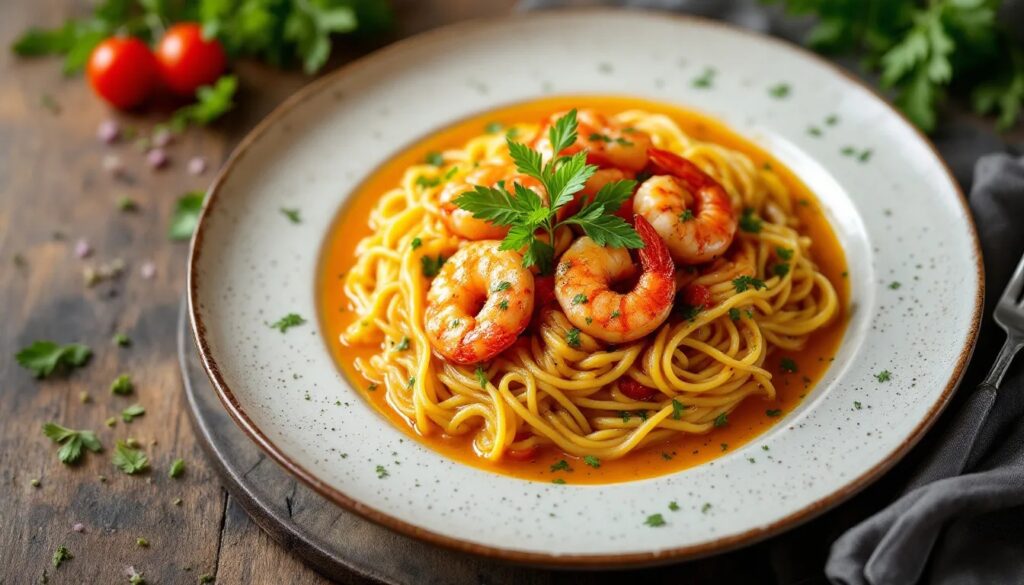
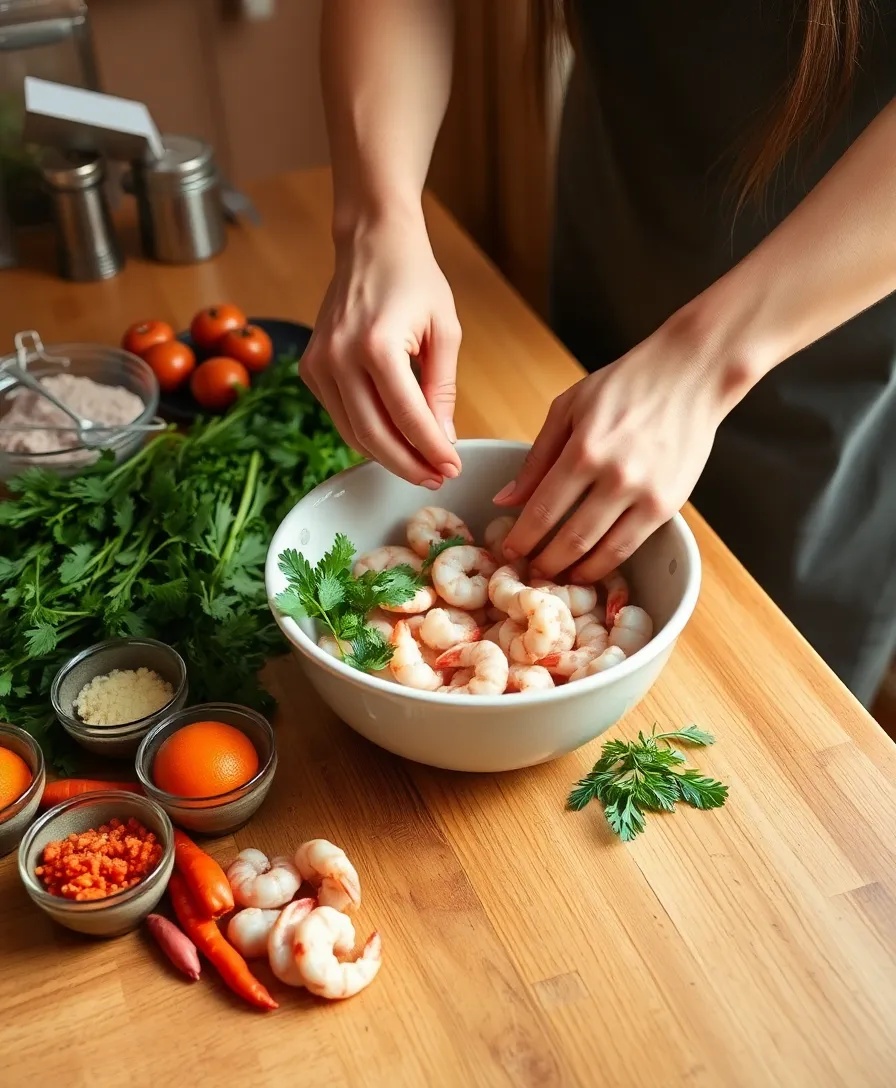
Step into the vibrant culinary tapestry of New Orleans, where every dish tells a story of migration, adaptation, and soulful ingenuity. Among its most beloved narratives is that of Shrimp Creole, a dish that dances on the palate with a harmonious blend of the Old World and the New. This isn’t just food; it’s a historical document, simmering with the influences of French sophistication, Spanish flair, West African resourcefulness, and the bounty of the American Gulf Coast.
At the heart of Shrimp Creole lies the ‘Holy Trinity’ – a foundational trio of diced onion, green bell pepper, and celery. This aromatic base is a testament to the culinary confluence that defines Creole cooking. While inspired by the French mirepoix, the substitution of bell pepper for carrot speaks to local availability and a distinct regional flavor profile that emerged from the bayous and bustling markets of New Orleans. These humble vegetables, sautéed in butter or oleo until fragrant, lay the groundwork for a sauce that is both robust and deeply comforting.
The inclusion of tomato paste is a critical migration indicator. Tomatoes, once viewed with suspicion in Europe, are indigenous to the Andes region of South America. Their journey to Louisiana, likely via Spanish and Italian influences, underscores the impact of the Columbian Exchange, forever transforming global cuisines. In Creole cooking, tomatoes lend a crucial sweetness and acidity, creating the rich, reddish hue characteristic of the dish. This contrasts with many Cajun dishes, which often lean on darker, roux-based sauces without as much tomato.
Then there’s the unmistakable kick of Tabasco sauce, a fiery elixir born right here in Louisiana. Chili peppers, the very essence of Tabasco, are another gift from the Americas. Their integration, refined into a proprietary sauce in the late 19th century, exemplifies the spirit of innovation within Creole kitchens – taking indigenous ingredients and crafting something wholly new and iconic. Parsley, an herb with ancient Mediterranean roots, adds a fresh, herbaceous counterpoint, demonstrating the continued European thread in this culinary weave.
Preparing Shrimp Creole is a joyful act of layering flavors. Begin by melting your butter or oleo and gently sautéing the Holy Trinity until softened but not browned. Stir in the tomato paste, allowing it to caramelize slightly for depth. Deglaze with water, then introduce a generous dash of Tabasco and a sprinkle of salt. Simmer gently, allowing the flavors to meld. The key to perfect shrimp is not to overcook them; they should be added towards the end, just long enough to turn pink and opaque. The result is a vibrant, piquant stew, traditionally served over fluffy white rice, that invites you to savor not just a meal, but centuries of cultural exchange. It’s a dish that warms the soul and tells a profound story of a unique American culinary heritage.
SHRIMP CREOLE
Embark on a culinary journey to the heart of Louisiana with this quintessential Shrimp Creole, a cherished icon of Southern gastronomy. This robust and deeply flavorful dish showcases plump, succulent shrimp enveloped in a vibrant, slow-simmered sauce. It begins with the classic ‘holy trinity’ of aromatic onions, crisp celery, and verdant bell peppers, masterfully combined with rich tomatoes and a nuanced whisper of Tabasco, delivering a perfectly balanced warmth and a captivating zest. Each spoonful promises a delightful dance of textures and tastes, a testament to its enduring legacy as a soul-satisfying comfort.
Ingredients
-
1
large
onion
None -
1
None
green pepper
diced -
1
cup
water
None -
1
tbsp.
parsley
None -
4-5
drops
Tabasco sauce
None -
1
cup
diced celery
None -
¼
cup
butter or oleo
None -
¾
cup
tomato paste
6 oz. can -
½
tsp.
salt
None -
1½
lbs.
cooked, cleaned shrimp
None
Instructions
-
Melt the butter or your preferred cooking fat in a substantial skillet or Dutch oven over medium heat.
-
Introduce the finely diced onions, celery, and green bell peppers to the melted fat. Gently sauté, stirring occasionally, until the onions soften and become beautifully translucent, typically taking 8-10 minutes.
-
Incorporate the remaining sauce ingredients, excluding the shrimp, into the skillet. Bring the mixture to a gentle simmer, allowing the flavors to meld and deepen for about 5-7 minutes. Once fragrant and slightly thickened, carefully transfer this rich sauce base into a baking dish or casserole.
-
Gently fold the shrimp into the sauce within the casserole dish, ensuring they are evenly submerged and distributed throughout the mixture.
-
Place the casserole in a preheated oven at 350°F (175°C) and bake for 30 minutes, or until the shrimp are perfectly cooked through and the sauce is bubbling invitingly.
-
For a complete and utterly satisfying experience, serve this exquisite Creole creation generously over a bed of fluffy, freshly steamed white rice.
Recipe Notes
This versatile recipe is easily scalable; feel free to double or even triple the quantities to perfectly accommodate your gathering, big or small.
Global Heritage Archive
Anthropological & Spice Migration Record
“A sophisticated culinary tradition born from a diverse melding of French, Spanish, West African, Caribbean, and Indigenous American foodways, emphasizing rich flavors, fresh local ingredients, and often complex sauces.”
🌿 Spice & Botanical Migration
The key aromatics like onion and celery have ancient origins in Central Asia and the Mediterranean respectively, disseminated globally through early trade routes. Bell peppers and tomatoes, however, are native to the Americas, becoming culinary staples after the Columbian Exchange facilitated their transfer to Europe and subsequent integration into colonial cuisines. Tabasco sauce, made from chili peppers also native to the Americas, is a distinctly American invention that found its home in Louisiana, reflecting an indigenous botanical base combined with European processing techniques.
🏺 Historical & Archaeological Record
The foundational technique of stewing or simmering ingredients together for flavor extraction is among the oldest human culinary practices, with archaeological evidence of stewing pots dating back to the Upper Paleolithic period (around 20,000 BCE) across various continents. The specific combination of tomatoes and peppers in a savory stew, however, is a post-Columbian phenomenon, with early written records of tomato-based sauces emerging from Italy and Spain in the 17th-18th centuries, before their widespread adoption in Louisiana Creole cooking.
💡 Little Known Facts
- While often confused, Creole cuisine (often ‘city food’ of New Orleans) historically used more tomatoes and fewer heavy roux than Cajun cuisine (often ‘country food’ of Acadiana), though both are rich traditions.
- The ‘Holy Trinity’ of onion, celery, and bell pepper, a cornerstone of Creole cooking, is a localized adaptation of the French mirepoix, replacing carrots with the more readily available bell pepper in the American South.
📸 Made This Heritage Recipe?
We would love to see how your dish turned out! Send a photo of your culinary creation to [email protected] to be featured in our community gallery.
Leave a review and rate this recipe below!
Curated Literature & Washington DC Downtown Calendar
The Culinary Alchemist: Modern Gastronomy & Flavor Pairing
By LDN Gastronomy Series
Artisanal technique, seasonal sourcing, and kitchen mastery.
Upcoming Downtown Happenings
Live acoustic sessions, gallery receptions, literary salons, and independent trade shows across Washington DC.
