
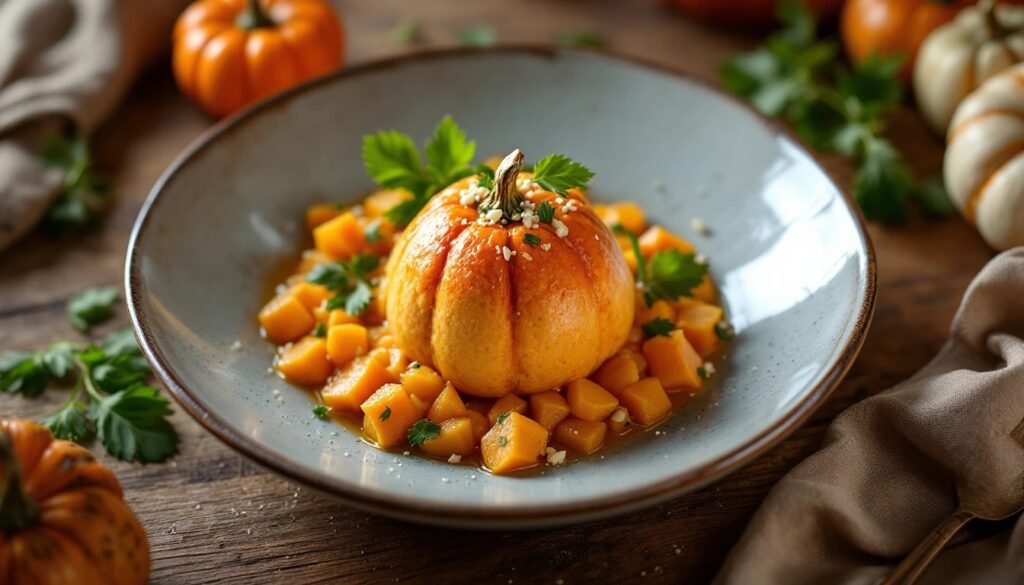
Our journey begins with the star ingredient, pumpkin, a venerable native of the Americas. Long before European settlers arrived, indigenous peoples cultivated this versatile squash, a dietary cornerstone for millennia. Early colonists, adapting to their new environment, embraced pumpkin, transforming it into sweet puddings or “pumpion pies,” often cooked in coals and seasoned with precious spices. This colonial adaptation laid the groundwork for the beloved pumpkin pie we know today.
Yet, the spices that elevate pumpkin from rustic squash to aromatic delight – cinnamon, nutmeg, ginger, and cloves, perhaps even allspice – embarked on their own epic voyages. These fragrant treasures of the Old World, primarily from Southeast Asia, traversed ancient trade routes to reach European tables. Eventually, they journeyed across the Atlantic, becoming indispensable to the burgeoning American culinary identity, marrying perfectly with indigenous ingredients like pumpkin and pecans. The pecan, a robust nut native to the central and southern United States, firmly roots this dish in its American origins, adding a characteristic crunch and earthy depth.
What truly sets our “PUMPKIN DELIGHT” apart, placing it firmly in a specific historical moment, are the contributions of the 20th century: evaporated milk and yellow cake mix. Evaporated milk, born of necessity and innovation, became a pantry staple in an era before widespread refrigeration, offering creamy richness to countless American desserts, especially in the South. The yellow cake mix, a symbol of post-World War II convenience, liberated homemakers, transforming baking into an accessible pleasure. This recipe, often found in community cookbooks or passed down at church potlucks, is a testament to an era where speed met satisfaction.
This “delight” is a culinary artifact, a delicious snapshot of mid-century American kitchens. It speaks to a culture that valued family gatherings, shared meals, and practical solutions without sacrificing flavor. To recreate it today is to connect with that spirit of generous hospitality and clever simplicity. When preparing this dish, embrace its layered nature. Resist the urge to overmix; the beauty lies in distinct strata. Ensure your pumpkin mixture is smooth, and sprinkle the cake mix evenly, allowing the melted butter to create that irresistible, golden, streusel-like crust. Bake until golden and fragrant, and let it cool completely to allow the creamy pumpkin layer to set. Each bite offers a taste of history, a symphony of global flavors harmonized in a distinctly American key, truly a delight.
PUMPKIN DELIGHT
Presenting 'PUMPKIN DELIGHT,' a captivating confection that masterfully marries the warm, nostalgic essence of spiced pumpkin with the ingenious convenience of a prepared cake blend. This splendid creation is a clever homage to cherished baking wisdom, yielding a velvety, intensely moist indulgence that epitomizes autumnal comfort. Designed for effortless elegance, it's the quintessential centerpiece for crisp-weather gatherings and a magnificent make-ahead marvel, perfectly suited for bustling communal feasts and treasured family celebrations alike.
Ingredients
- 1 large can pumpkin None
- 1 cup sugar None
- 2 tsp. pumpkin pie spices as used by contributor
- 3 eggs None
- 1 large can evaporated milk None
- 1 box yellow cake mix dry
- 2 cups chopped pecans None
- 1 1/2 sticks butter or oleo melted (6 oz / 3/4 cup)
Instructions
-
In a substantial mixing bowl, thoroughly combine the pureed pumpkin, granulated sugar, aromatic pumpkin pie spices, fresh eggs, and evaporated milk until a uniform, creamy base is achieved.
-
Carefully transfer this rich pumpkin custard into a meticulously prepared 9 x 13-inch baking dish, ensuring the interior is lightly greased to prevent adherence.
-
Evenly disseminate the dry yellow cake mix across the surface of the pumpkin layer, followed by a generous scattering of two cups of finely chopped pecans.
-
Gently liquefy one and a half sticks of unsalted butter (or your preferred baking margarine) and artfully cascade the molten fat over the entire topping, ensuring comprehensive coverage.
-
Allow the assembled dessert to rest undisturbed for approximately fifteen minutes, permitting the layers to settle subtly.
-
Place the dish into a preheated oven set to 350 degrees Fahrenheit and allow it to bake for a duration of 50 to 60 minutes, or until the top is golden brown and the interior is set and fragrant.
Recipe Notes
For an unparalleled depth of flavor and ideal texture, it is highly recommended to prepare this exquisite dessert a full day in advance of serving, allowing its rich components to beautifully meld overnight. This confection also lends itself wonderfully to freezing; ensure it is thoroughly cooled and tightly wrapped for preservation, then thaw gently before presentation.
Global Heritage Archive
Anthropological & Spice Migration Record
“This recipe embodies the mid-20th century American culinary culture, characterized by a fusion of traditional ingredients with modern convenience foods, often prepared for family gatherings and community potlucks.”
🌿 Spice & Botanical Migration
Cinnamon, nutmeg, ginger, and cloves, key components of ‘pumpkin pie spice,’ all originate from Southeast Asia and the Indian Ocean spice islands. These ancient spices journeyed via the Silk Road and Maritime Spice Routes to Europe, later arriving in the Americas with European colonists. Allspice, however, is indigenous to the Caribbean and Central America, a New World spice that was subsequently integrated into the developing ‘pumpkin spice’ blend, showcasing a blend of Old and New World influences in American baking.
🏺 Historical & Archaeological Record
The earliest written records for pumpkin pie-like recipes, essentially sweet pumpkin custards baked in a crust, appear in colonial American cookbooks from the late 18th century, such as Amelia Simmons’ “American Cookery” (1796). While earlier European recipes incorporated gourds with spices, the specific form of a sweet pumpkin pie is strongly associated with the American colonial period, building on earlier English traditions.
💡 Little Known Facts
- The use of ‘oleo’ (margarine) as an alternative to butter often indicates a recipe’s origin during periods of economic hardship or wartime rationing (e.g., WWII) when butter was scarce or expensive.
- Evaporated milk was a significant innovation, allowing for creamy custards and sauces in an era before widespread refrigeration, making it a staple in many rural and Southern American kitchens.
📸 Made This Heritage Recipe?
We would love to see how your dish turned out! Send a photo of your culinary creation to [email protected] to be featured in our community gallery.
Leave a review and rate this recipe below!
Curated Literature & Washington DC Downtown Calendar
The Culinary Alchemist: Modern Gastronomy & Flavor Pairing
By LDN Gastronomy Series
Artisanal technique, seasonal sourcing, and kitchen mastery.
Upcoming Downtown Happenings
Live acoustic sessions, gallery receptions, literary salons, and independent trade shows across Washington DC.
