
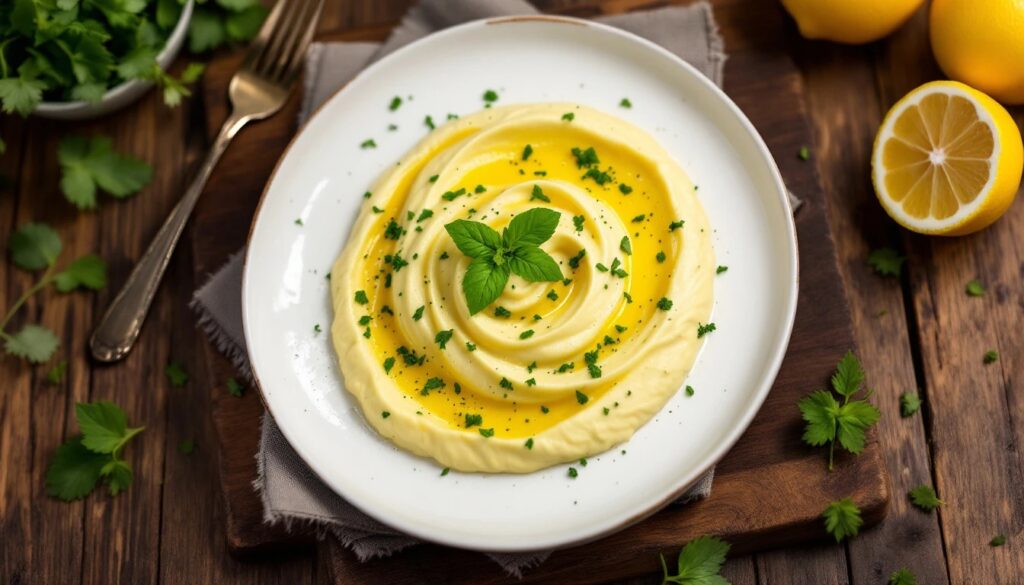
The history of mousse is a fascinating tale of evolution. While savory mousses, often featuring fish or liver, were popular in 18th-century French culinary tomes, it was the sweet iterations that captured the imagination and the palates of generations. The earliest known written recipe for a sweet mousse, *mousse au chocolat*, appeared in Menon’s *La Science du Maître d’Hôtel Cuisinier* in 1750. This innovation, combining rich chocolate with frothy egg whites, laid the groundwork for countless variations, including our bright citrus rendition. Crucial to the mousse’s delicate structure is gelatin, an ingredient whose own history is a testament to human ingenuity. Before commercial powdered gelatin, which democratized elaborate jellied desserts in the mid-19th century, creating set dishes was an arduous, time-consuming process involving the simmering of animal bones, typically calf’s feet, for hours to extract natural collagen – a task often reserved for the most junior kitchen staff. The advent of convenient gelatin crystals revolutionized pastry making, bringing sophisticated textures within reach of every home cook.
The vibrant heart of this mousse, the lemon and lime, tell another story – one of botanical migration and global connectivity. Both citrus fruits hail from Asia, their ancestors originating in the foothills of the Himalayas (lemons) and the islands of Southeast Asia (limes). Over millennia, trade routes and empires carried these precious fruits westward. Lemons journeyed through the Middle East to the Mediterranean during Roman and Arab expansions, eventually becoming a staple of European cuisine. Limes, following similar paths, were famously introduced to the Americas by Spanish and Portuguese explorers during the Columbian Exchange, becoming essential to cuisines from Mexico to the Caribbean. Their dual presence in this mousse is a testament to centuries of cultural exchange, culminating in a flavor profile that is both ancient and eternally refreshing. The addition of yogurt, while itself an ancient food originating in Central Asia, signifies a more modern influence in Western desserts, offering a tangy counterpoint and a contemporary lightness.
Preparing a perfect Lemon Lime Mousse is a delicate ballet of technique and patience. The key lies in the gentle handling of ingredients. Ensure your egg whites are beaten to firm, glossy peaks with a touch of cream of tartar for stability, then carefully folded into the citrus-infused base, preserving every precious air bubble. The rind, grated freshly, releases essential oils that provide a depth of aroma unmatched by extracts. Proper chilling time is non-negotiable; it allows the gelatin to set fully, transforming the frothy mixture into its signature velvety texture. Serve this ethereal dessert chilled, perhaps garnished with fresh lemon and lime slices, allowing its bright flavors and delicate structure to transport you to a culinary paradise where tradition, innovation, and global flavors converge beautifully on a spoon.
LEMON LIME MOUSSE
Elevate your dessert experience with an ethereal Lemon Lime Mousse, a sublime convergence of zesty brightness and cloud-like indulgence. Each spoonful unveils a delicate equilibrium of piquant citrus notes dancing against a backdrop of melt-in-your-mouth sweetness. This exquisite, feather-light creation promises to be the crowning jewel of any gathering, leaving a lasting impression of sophisticated delight.
Ingredients
- 1 envelope unflavored gelatin plus 1 teaspoon
- 2 teaspoons freshly grated lemon rind
- 2 teaspoons freshly grated lime rind
- ½ cup fresh lemon juice
- ½ cup fresh lime juice
- 6 large egg yolks beaten lightly
- 1½ cups sugar
- 1½ cups plain yogurt
- 7 large egg whites
- ½ teaspoon salt
- ½ teaspoon cream or tartar
- Halved lemon and lime slices for garnish if desired
Instructions
-
In a substantial saucepan, gently sprinkle the gelatin crystals over ½ cup of chilled water, allowing them to bloom and soften for precisely 10 minutes.
-
Carefully incorporate the vibrant zest of lemon and lime, their freshly expressed juices, the rich egg yolks, and 1½ cups of the granulated sugar into the gelatin mixture, whisking until harmoniously blended.
-
Position the saucepan over moderate-low heat, maintaining a constant, gentle stir. Continue cooking until the mixture slightly thickens and a confectionery thermometer registers a precise 175°F (80°C).
-
Without delay, transfer the warm mixture into a spacious metal bowl nestled within an ice bath (a larger bowl filled with ice and cold water).
-
Allow the mixture to descend to a tepid temperature, then thoroughly whisk in the creamy yogurt until fully integrated.
-
Cover the bowl and refrigerate for approximately 30 minutes, or until the mixture is distinctly cold and possesses a delicate viscosity, ensuring it remains unset.
-
Meanwhile, in a generous mixing vessel, commence whipping the egg whites alongside the salt and cream of tartar until they achieve the stage where soft, yielding peaks gently hold their form.
-
Gradually introduce the remaining ¼ cup of granulated sugar, continuing to beat the meringue vigorously until lustrous, firm, and upright peaks are achieved.
Recipe Notes
For optimal structure and a truly captivating finish, ensure your meringue is beaten until it reaches the coveted 'stiff peak' stage—when the peaks stand tall and unyielding, boasting a beautiful, glossy sheen. For an exquisite presentation, consider adorning each serving with delicate, thinly sliced citrus rounds, perhaps a vibrant half-moon of lemon or lime, to highlight the dessert's refreshing character.
Global Heritage Archive
Anthropological & Spice Migration Record
“A refined European culinary tradition that values delicate textures, balanced flavors, and elegant presentation, often associated with sophisticated dining and pastry arts.”
🌿 Spice & Botanical Migration
The vibrant citrus notes of lemon and lime, central to this mousse, both trace their origins to Asia. Lemons originated in Northeast India or Southern China, spreading west through the Middle East to the Mediterranean during Roman and Arab expansions. Limes, likely from Southeast Asia, followed similar trade routes and were notably carried by European explorers during the Columbian Exchange, becoming vital to global cuisines. Their presence together reflects centuries of intricate trade networks that connected disparate botanical realms to European kitchens.
🏺 Historical & Archaeological Record
The concept of a light, frothy ‘mousse’ set with gelatin gained prominence in French culinary literature, with early recipes for *mousse au chocolat* appearing in texts like Menon’s “La Science du Maître d’Hôtel Cuisinier” in 1750. However, the use of naturally derived gelatin to set sweet or savory dishes dates back to ancient Roman times, with evidence in Apicius’s culinary collection from the 4th century CE.
💡 Little Known Facts
- Early forms of mousse were not always sweet; savory versions, often made with fish or vegetables, were popular in French cuisine during the 18th century.
- Before commercial powdered gelatin became widely available in the mid-19th century, creating jellied desserts like this mousse involved a laborious process of extracting gelatin from animal bones, typically calf’s feet, a task often relegated to kitchen apprentices.
📸 Made This Heritage Recipe?
We would love to see how your dish turned out! Send a photo of your culinary creation to [email protected] to be featured in our community gallery.
Leave a review and rate this recipe below!
Curated Literature & Washington DC Downtown Calendar
The Culinary Alchemist: Modern Gastronomy & Flavor Pairing
By LDN Gastronomy Series
Artisanal technique, seasonal sourcing, and kitchen mastery.
Upcoming Downtown Happenings
Live acoustic sessions, gallery receptions, literary salons, and independent trade shows across Washington DC.
