
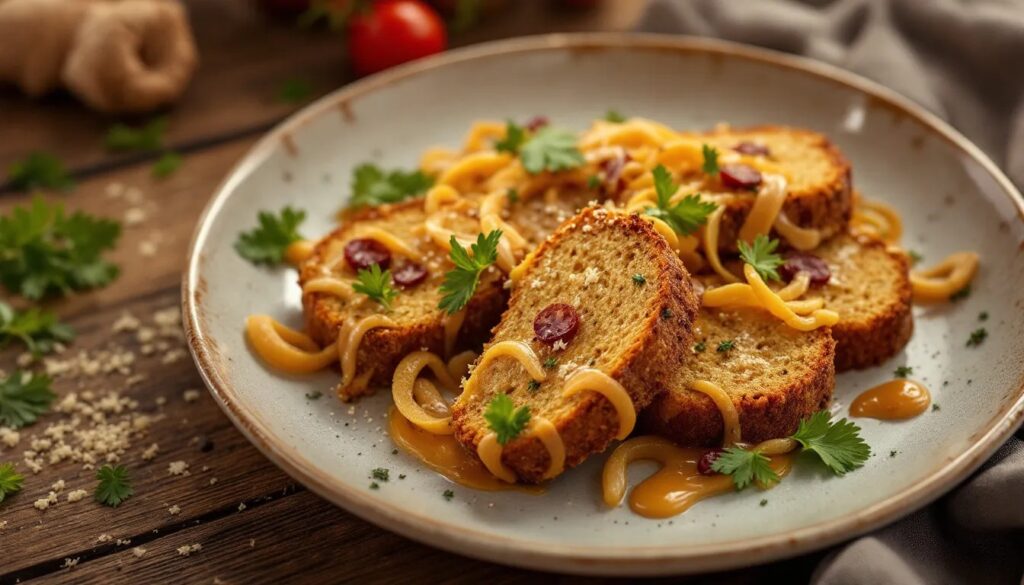
The aroma of gingerbread – a symphony of warm ginger, spicy nutmeg, and deep, resonant molasses – is more than just a delightful scent; it’s a fragrant whisper of human history, trade, and cultural migration. This seemingly simple recipe for ‘GINGERBREAD’ is, in fact, a culinary artifact, a testament to centuries of global exchange and the ingenuity of home bakers. From the bustling ports of ancient spice routes to the hearths of colonial America, gingerbread has charted an extraordinary journey, embodying comfort, celebration, and the very essence of human connection.
Our story begins thousands of years ago in the lush landscapes of Southeast Asia, the botanical cradle of ginger. This potent rhizome, revered for its medicinal properties and invigorating flavor, embarked on an epic voyage across continents. Carried by intrepid traders along the Silk Road and the perilous Spice Routes across the Indian Ocean, ginger reached the Roman Empire, then medieval Europe, becoming a prized commodity. It was in Europe, particularly in monastic kitchens, that ginger began its transformation from a medicinal root to a star culinary ingredient, first appearing in honeyed breads alongside other precious spices.
As Europe delved deeper into exploration, the world opened up, bringing new treasures and new tribulations. Nutmeg, another critical spice in our recipe, entered the scene from the tiny Banda Islands of Indonesia – the fabled ‘Spice Islands.’ Its arrival in European pantries, often after fierce colonial battles for its control, added another layer of complexity and exoticism to spiced baked goods. But perhaps the most telling ingredient in our gingerbread recipe, especially given the use of ‘shortening’ and ‘baking soda,’ is molasses. This dark, viscous syrup is a byproduct of sugar refining, a process that traces its roots to New Guinea and India, but reached its zenith of production in the sugar cane plantations of the Caribbean and the Americas. Molasses became a readily available, and often more affordable, sweetener than refined sugar in colonial kitchens, particularly in Britain and North America, firmly embedding itself in the regional culinary lexicon and giving gingerbread its characteristic depth and moistness.
The addition of ‘baking soda,’ a chemical leavener, signals a later stage in gingerbread’s evolution, placing this particular recipe firmly in the 19th century or later. Prior to this, leavening would have relied on yeast or beating air into butter and eggs. ‘Shortening,’ an undifferentiated fat, also points to a period when rendered animal fats or early vegetable shortenings became common, diverging from specific instructions for butter or lard often found in older European recipes.
To recreate this historical delight in your modern kitchen, remember that the quality of your spices is paramount. Freshly ground ginger and nutmeg will yield a much more vibrant flavor than pre-ground varieties that have languished in the cupboard. The ‘boiling water’ in the recipe is a crucial element, dissolving the baking soda and helping to create a tender crumb by ‘scalding’ the flour and partially cooking the molasses and sugar, resulting in a distinct texture. Do not overmix the dough once the flour is added; this can develop the gluten too much, leading to a tough gingerbread. And while this recipe doesn’t specify how to shape it, gingerbread in this style is most often baked as a cake or loaf, providing a comforting, aromatic centerpiece for any gathering. Each bite is a delicious journey through time and across oceans, a true testament to the enduring power of food as a cultural ambassador.
GINGERBREAD
Unearth a culinary treasure that transcends generations with this exceptional Gingerbread. This recipe orchestrates a magnificent symphony of warming spices and profound sweetness, culminating in a cake of unparalleled richness and a melt-in-your-mouth moistness. Each fragrant slice, redolent with the comforting aromas of the hearth, offers an invitation to savour cherished moments, making it the quintessential centerpiece for gatherings and a poignant reminder of heartfelt home baking.
Ingredients
-
0.5
cup
shortening -
1
cup
white or brown sugar -
2
eggs -
1
teaspoon
grated lemon rind -
2
cups
all-purpose flour -
1
teaspoon
nutmeg -
1
teaspoon
baking soda -
0.5
teaspoon
salt -
1.5
teaspoon
ginger -
0.5
cup
boiling water -
0.5
cup
molasses
Instructions
-
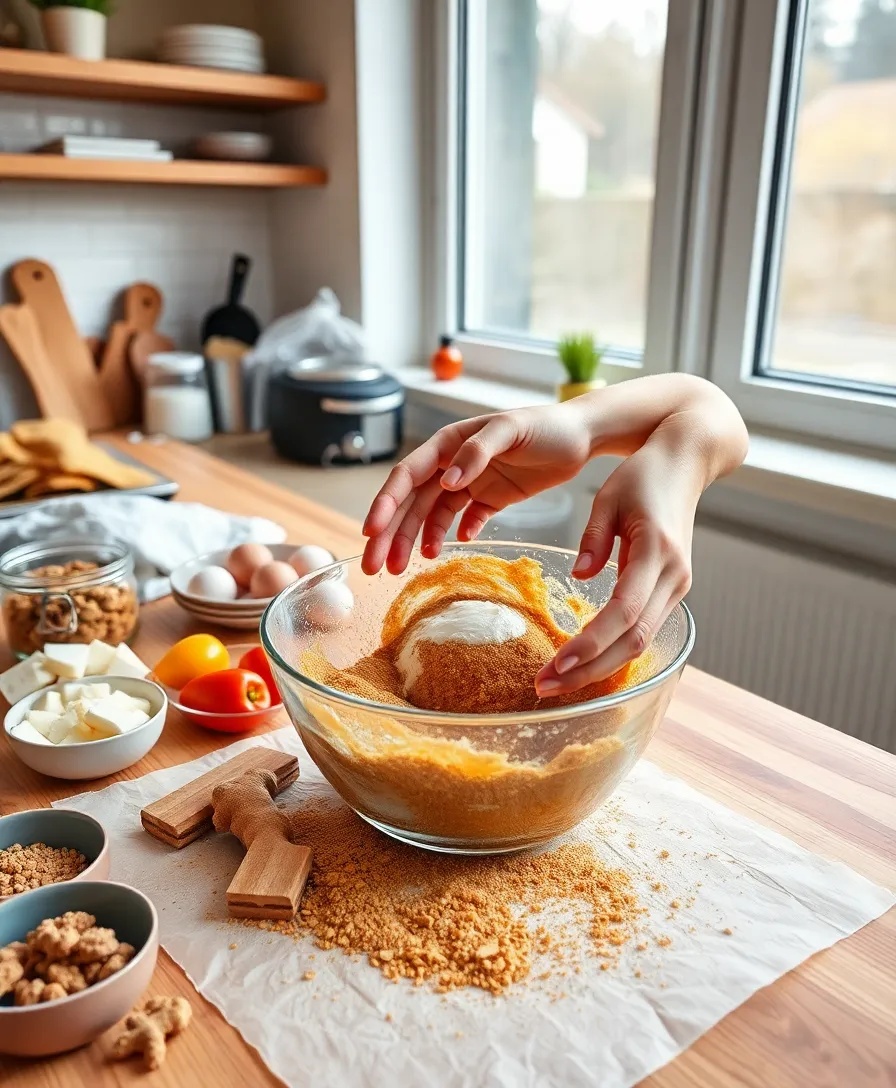
In a substantial mixing vessel, thoroughly cream together the solid shortening and granulated sugar until the mixture achieves a pale, aerated, and light consistency.
-
Integrate the eggs sequentially, ensuring each is fully incorporated with vigorous beating before introducing the next, thereby achieving a uniform batter.
-
Gently fold in the finely grated lemon zest, imparting a bright and subtle aromatic lift to the mixture.
-
In a separate, medium-sized bowl, carefully sift together the all-purpose flour, freshly ground nutmeg, baking soda, fine sea salt, and ground ginger, ensuring an even distribution of leavening agents and spices.
-
In a third distinct bowl, whisk to thoroughly combine the freshly boiled water with the dark, viscous molasses.
-
Commence the alternating incorporation of the prepared dry spice mixture and the liquid molasses blend into the creamed base. Begin by adding a portion of the dry ingredients, followed by a portion of the liquid, continuing this rhythm and concluding with the final portion of dry ingredients. After each addition, beat diligently until just combined, exercising care to avoid overmixing.
-
Carefully transfer the prepared batter into an 8 by 11 inch baking pan that has been generously greased, spreading the mixture evenly to reach all edges.
-
Place the pan into an oven preheated to 350°F (175°C) and allow to bake for approximately 40 minutes. The gingerbread reaches its perfect doneness when a slender wooden skewer, inserted into its very core, emerges impeccably clean.
-
Present the gingerbread warm, allowing its intrinsic flavors and comforting textures to truly shine.
Recipe Notes
For a truly transcendent tasting experience, this Gingerbread is best enjoyed while still radiating warmth from the oven. The gentle heat amplifies its intricate tapestry of spices and ensures the crumb remains exceptionally tender and moist, creating an irresistible sensory delight with every forkful.
Global Heritage Archive
Anthropological & Spice Migration Record
“A culinary culture celebrating warmth, comfort, and festive occasions through spiced, sweet baked goods, often reflecting trade routes and colonial history and valuing homely traditions.”
🌿 Spice & Botanical Migration
Ginger, the star of this recipe, originated in Maritime Southeast Asia and was one of the earliest spices to reach Europe, traveling via the ancient Silk Road and Indian Ocean Spice Routes, being known to the Romans. Nutmeg, another key aromatic, hails exclusively from the Banda Islands of Indonesia, reaching Europe via Arab traders and later monopolized by European colonial powers. Molasses, a byproduct of sugar refining, ties this recipe to the global sugar trade, which spread from New Guinea to India, then the Middle East, and finally to the Americas where plantation economies made it widely available and an economical sweetener in colonial baking.
🏺 Historical & Archaeological Record
The concept of spiced honey cakes, a precursor to gingerbread, can be traced back to ancient Greece and Rome. The first explicit written recipes referring to ‘gingerbread’ as a distinct food, typically a ginger-spiced honey bread or cake, appeared in Europe during the Middle Ages, with records in Germany, France, and England dating from the 13th to 15th centuries.
💡 Little Known Facts
- The earliest recorded gingerbread recipes from the 11th century were for a bread-like substance sweetened with honey, not a cake or cookie.
- Queen Elizabeth I is often credited with the idea of decorating gingerbread cookies to resemble people, reportedly making them for her guests.
📸 Made This Heritage Recipe?
We would love to see how your dish turned out! Send a photo of your culinary creation to [email protected] to be featured in our community gallery.
Leave a review and rate this recipe below!
Curated Literature & Washington DC Downtown Calendar
The Culinary Alchemist: Modern Gastronomy & Flavor Pairing
By LDN Gastronomy Series
Artisanal technique, seasonal sourcing, and kitchen mastery.
Upcoming Downtown Happenings
Live acoustic sessions, gallery receptions, literary salons, and independent trade shows across Washington DC.
