
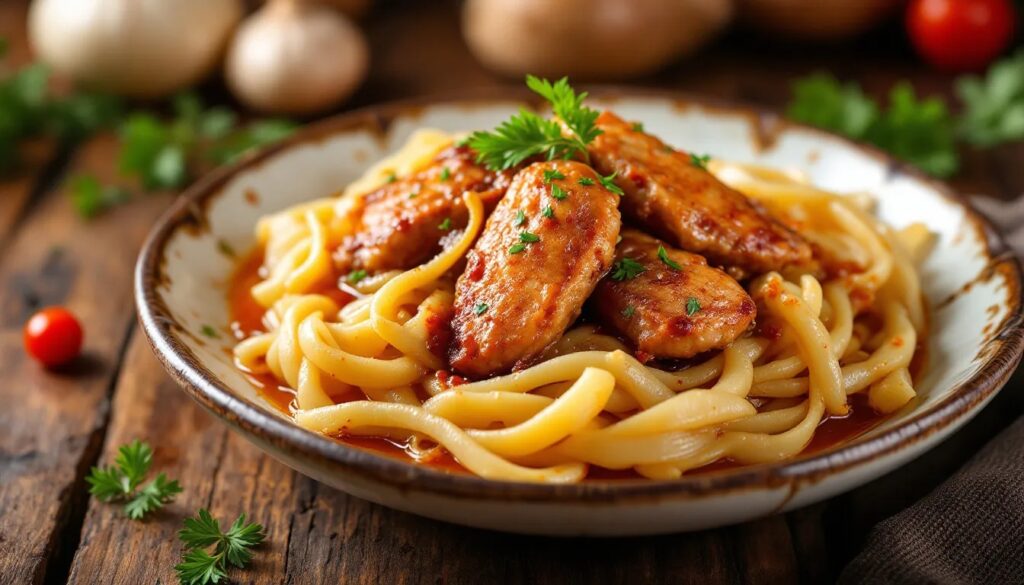
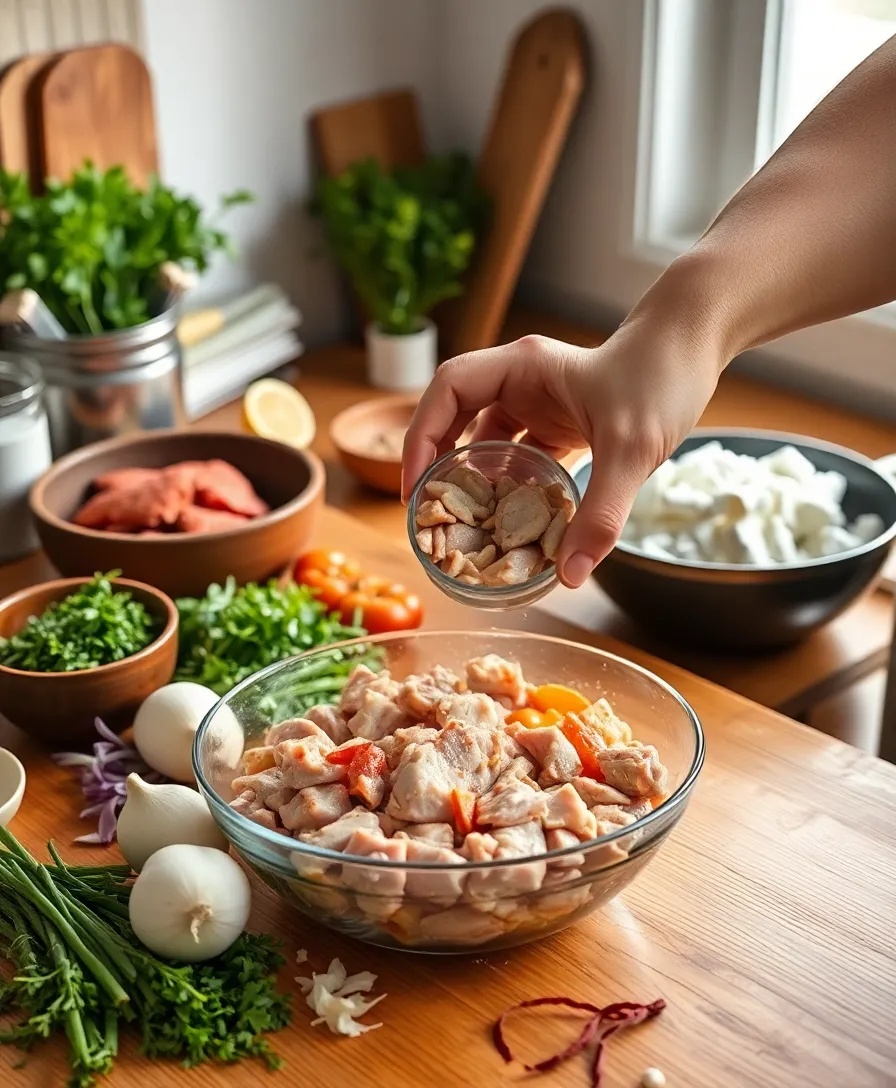
There are dishes that merely feed, and then there are those that tell a story – a narrative of history, culture, and the enduring artistry of the kitchen. “Duck Menou,” or “Duck with Onions,” is precisely such a dish, a whisper from the elegant dining rooms of late 18th-century France, imbued with the spirit of a baron who helped codify French culinary excellence. This recipe is not just a method for preparing a bird; it’s a window into a pivotal moment in gastronomic history, bridging the lavish traditions of the French aristocracy with a burgeoning desire for accessible, yet sophisticated, home cooking.
At the heart of this dish lies François-Paul-Claude-Amable de Menou, Baron de Charnizay, whose seminal work, *L’Art de la Cuisinière* (The Art of the Cook), published in 1782, became a touchstone for French cuisine. Menou’s cookbook, appearing on the eve of the French Revolution, marked a shift, democratizing culinary knowledge beyond the exclusive domain of professional chefs in noble households. It embraced a style that was simultaneously refined and practical, showcasing how simple, quality ingredients could be transformed into dishes of profound flavor and elegance. “Duck Menou” embodies this philosophy: taking the humble onion and the esteemed duck, and through skillful technique, elevating them to a sublime experience.
The preparation of Duck Menou is a masterclass in classic French technique. It begins with the duck itself – a bird celebrated for its rich, fatty flesh and deep flavor. The rendering of its fat is not merely a cooking step, but a ritual, creating a golden liquid that will crisp the skin and provide the foundational richness for the sauce. Onions, often overlooked, are the true unsung heroes here. Slowly caramelized, they sweeten and deepen, forming an aromatic base that will meld seamlessly with the duck’s juices. The judicious use of butter or, historically, rendered fats, ensures an unparalleled richness and silkiness that defines French sauces.
The sauce, a symphony of flavors, is where the dish truly shines. Deglazing the pan with a very dry wine and a touch of brandy or whisky lifts all the delectable browned bits (fond) from the bottom, incorporating them into the liquid. This essential step concentrates flavor, a technique refined over centuries in French kitchens. The addition of chicken broth and a hint of meat extract ensures depth, while cornstarch, a more modern thickener than the traditional flour roux of Menou’s era, provides a smooth, glossy finish, allowing the sauce to cling beautifully to the tender duck. The humble black pepper, a spice that journeyed from the Malabar Coast of India along ancient trade routes, provides its indispensable piquant warmth, a testament to the global connections embedded even in seemingly regional dishes.
For the home cook, perfecting Duck Menou involves a few key principles. First, don’t rush the rendering of the duck fat; patience yields crispy skin and a rich supply of liquid gold. Second, caramelize the onions slowly until deeply golden, coaxing out their natural sweetness. Third, build your sauce gradually, tasting and adjusting as you go, allowing the wine and brandy to reduce properly for maximum impact. Finally, allow the duck to rest after cooking. This crucial step ensures the juices redistribute, resulting in incredibly tender and moist meat. “Duck Menou” is more than a meal; it’s an invitation to savor history, to practice culinary artistry, and to appreciate the timeless elegance of French cuisine, brought to life through the humble wisdom of a baron from centuries past.
DUCK MENOU (DUCK WITH ONIONS)
Embark on a culinary journey with our exquisite Duck Menou, a time-honored preparation designed to elevate any special occasion. This distinguished recipe meticulously guides you through the art of rendering duck fat, achieving a flawless golden-brown crust, and then tenderly braising the fowl with sweet, caramelized onions and a splash of aromatic wine. The result is a symphony of profound, soulful flavors that linger delightfully on the palate, promising an unforgettable dining experience.
Ingredients
-
1
large
duck
about 5 pounds -
1
stick
butter or margarine
None -
1½
Tablespoons
shortening
None -
5 or 6
large
onions
cut in pieces -
3½ to 4
cups
chicken broth
homemade if possible -
1
large glass
very dry wine
Chablis recommended -
None
None
cornstarch
Some, for thickening (implied) -
1
good cocktail glass
whisky or brandy
Bourbon or Brandy -
None
None
meat extract
optional -
None
None
salt
to taste -
None
None
pepper
to taste
Instructions
-
Preheat your oven to a gentle 250°F (120°C). Place the duck on a roasting rack set within a shallow pan, then transfer it to the oven for at least 30 minutes to initiate the rendering of its rich fat.
-
Carefully remove the pan and thoroughly drain off all accumulated rendered fat, reserving it for other culinary uses if desired.
-
Using paper towels, meticulously pat the duck dry, both inside the cavity and across its exterior, to ensure a crisp skin later.
-
Generously season the duck’s cavity with freshly ground salt and black pepper.
-
In a substantial, deep saucepan or Dutch oven, combine and melt the butter with the shortening over medium heat.
-
Carefully place the prepared duck into the heated fats. Sear it diligently on all sides until a rich, golden-brown crust has developed evenly across its surface.
-
Introduce the sliced onions to the pan, stirring frequently, and sauté them alongside the duck until they achieve a deep, caramelized brown hue, mirroring the duck’s color.
-
Season the contents of the pan with additional salt and freshly cracked pepper to taste.
-
Pour in the chicken stock. Bring the liquid to a gentle simmer, then cover the pan tightly. Continue to braise for approximately 1 hour, or until the duck is exquisitely tender and easily yields to a fork.
-
Carefully lift the tender duck and caramelized onions from the saucepan and transfer them to a serving platter or warming dish, keeping them covered to retain heat.
-
Skim off and discard any excess fat or grease from the surface of the pan drippings, ensuring a clean and refined sauce.
-
Pass the cooked onions through a fine-mesh strainer, pressing gently to extract all their flavorful juices into the pan liquid.
-
Return the strained onions to the degreased pan drippings. Incorporate the wine, stirring well to combine the flavors.
Recipe Notes
For a richer, more viscous sauce, you may whisk a slurry of cornstarch (1 tablespoon cornstarch mixed with 2 tablespoons cold water) into the simmering pan drippings until your desired consistency is achieved. An optional touch of high-quality meat extract can further intensify the savory depth of this exquisite sauce, lending an even more profound umami character.
Global Heritage Archive
Anthropological & Spice Migration Record
“Classical French cuisine, renowned for its meticulous techniques, rich flavors, and the artful elevation of both humble and luxurious ingredients, often reflecting regional specificities.”
🌿 Spice & Botanical Migration
The primary spice in this dish, black pepper, originates from the Malabar Coast of India. It was introduced to Europe thousands of years ago via the ancient overland and maritime Spice Routes, becoming an indispensable seasoning in European cuisine due to extensive trade and colonial expansion.
🏺 Historical & Archaeological Record
The foundational techniques of French cuisine, including elaborate braising, sauce-making with fats, wines, and aromatics, were systematically documented in cookbooks starting in the 17th century with works like La Varenne’s *Le Cuisinier François* (1651). Duck preparations themselves, however, date back to antiquity, found in Roman texts like Apicius’ *De re culinaria* (4th century CE), demonstrating a long history of cooking this bird.
💡 Little Known Facts
- The ‘Menou’ in the dish title refers to François-Paul-Claude-Amable de Menou, Baron de Charnizay (1750-1810), author of *L’Art de la Cuisinière* (1782), one of the most influential French cookbooks of the late 18th century, which helped codify French culinary practices.
- While this dish carries an 18th-century namesake, the inclusion of cornstarch and commercial meat extract suggests a modernization; Menou’s era typically relied on flour-based roux for thickening and deeply reduced stocks (glaces) for concentrated flavor.
📸 Made This Heritage Recipe?
We would love to see how your dish turned out! Send a photo of your culinary creation to [email protected] to be featured in our community gallery.
Leave a review and rate this recipe below!
Curated Literature & Washington DC Downtown Calendar
The Culinary Alchemist: Modern Gastronomy & Flavor Pairing
By LDN Gastronomy Series
Artisanal technique, seasonal sourcing, and kitchen mastery.
Upcoming Downtown Happenings
Live acoustic sessions, gallery receptions, literary salons, and independent trade shows across Washington DC.
