
There are dishes that merely satisfy hunger, and then there are those that tell a story – a narrative woven from ancient traditions, global exploration, and the relentless pursuit of culinary perfection. The Crème Renversée, or baked custard, is precisely such a dish. At first glance, it appears deceptively simple: milk, eggs, sugar. Yet, beneath its smooth, quivering surface lies a profound history, a testament to humanity’s enduring love affair with sweetness and the remarkable journeys of its key ingredients.
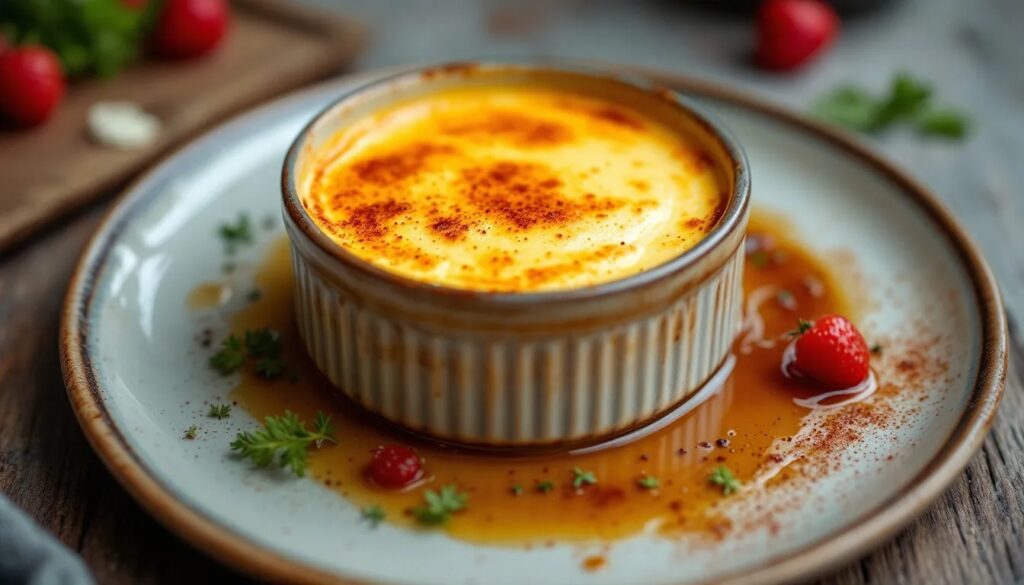
The lineage of the baked custard stretches back millennia, long before the sophisticated kitchens of France elevated it to an art form. The Romans, with their penchant for *patinae* – savory and sweet egg-based dishes – were early pioneers. Throughout the Middle Ages, custards, often baked in pastry crusts and known as “crustades,” graced European tables, evolving in myriad forms across different regions. It was in France, however, during the 17th and 18th centuries, that the dish we recognize today truly began to crystallize, refined by master chefs who championed elegance and precision. The very name, “Crème Renversée,” meaning “inverted cream,” speaks to the dramatic reveal, the moment of transformation when a humble mold is inverted, unleashing a silken custard veiled in a glistening cloak of caramel. This act, more than just a technique, is a performance, a ceremonial unveiling of a dessert crafted with patience and love.
What truly transforms this ancient concept into a global culinary ambassador are its specific flavorings: vanilla, coffee, and chocolate. These were not always part of the European larder. Vanilla, with its intoxicating fragrance, began its journey in the tropical forests of Mesoamerica, where the Totonac people were likely the first to cultivate it. It arrived in Europe via the Spanish conquistadors, a precious cargo from the “New World.” For centuries, its cultivation outside its native Mexico proved elusive, making it a rare and expensive luxury until the mid-19th century. Coffee, the stimulating elixir, originated in the ancient forests of Ethiopia and spread through the bustling markets of Yemen, reaching Europe through the Ottoman Empire. Its bitter depth offered a sophisticated counterpoint to sweetness, forever changing the European breakfast table and dessert repertoire. And then there is chocolate, another gift from Mesoamerica, originally a bitter drink consumed by Aztec emperors. Europeans, especially the Spanish, learned to sweeten and solidify it, transforming it into the beloved treat we know today. The inclusion of these ingredients in a classic French custard highlights the interconnectedness of the world, showcasing how trade routes – the Columbian Exchange and the Spice Route – reshaped palates and revolutionized cuisines across continents.
Crafting a perfect Crème Renversée is a gentle art. It begins with the caramel – sugar and water coaxed over heat until it achieves a deep amber, poured into the mold to form the eventual sauce. The custard base itself is a simple symphony of warm milk, infused with vanilla, enriched with eggs and sugar. The key is gentle heat; a *bain-marie* (water bath) in the oven provides the consistent, moist heat necessary for a perfectly smooth, uncurdled texture. It bakes until just set, still trembling slightly in the center. The patience required to let it cool completely, preferably overnight in the refrigerator, is rewarded by the ease of unmolding and the flawless result. A gentle tap on the bottom, a quick flip, and the magnificent Crème Renversée reveals itself, a timeless masterpiece of flavor and history, ready to be savored. It’s more than just a dessert; it’s a taste of history, a sweet echo of discovery and tradition.
CRÈME RENVERSEE (Baked Custard)
Journey back to the heart of classic patisserie with our Crème Renversée, a truly captivating baked custard that whispers of elegant simplicity and profound comfort. Each spoonful unveils a satiny-smooth texture, a testament to its gentle baking, promising a dessert experience that is both profoundly satisfying and utterly refined. While exquisite in its pure vanilla form, this recipe extends an invitation to culinary exploration, offering seamless transformations into rich, aromatic coffee or luxurious, deep chocolate iterations. For the ultimate flourish, crown your creation with a glistening, amber caramel, transforming a delightful treat into an unforgettable masterpiece.
Ingredients
-
3
cups
milk
for basic custard; refer to instructions for variations -
1-inch piece
vanilla bean -
4
eggs -
4
egg yolks -
½
cup
sugar
for custard -
½
cup
sugar
for caramel -
2½
Tablespoons
water
for caramel -
½
cup
strong coffee
for coffee flavored crème variation -
¼
cup
water
for chocolate flavored crème variation -
¼
pound
grated sweet chocolate
for chocolate flavored crème variation
Instructions
-
**For the Custard Base:**
-
1. Gently warm three cups of milk in a saucepan with a one-inch piece of vanilla bean, ensuring it reaches just below a simmer (scalded). Remove from heat and allow it to cool to a comfortable warmth.
-
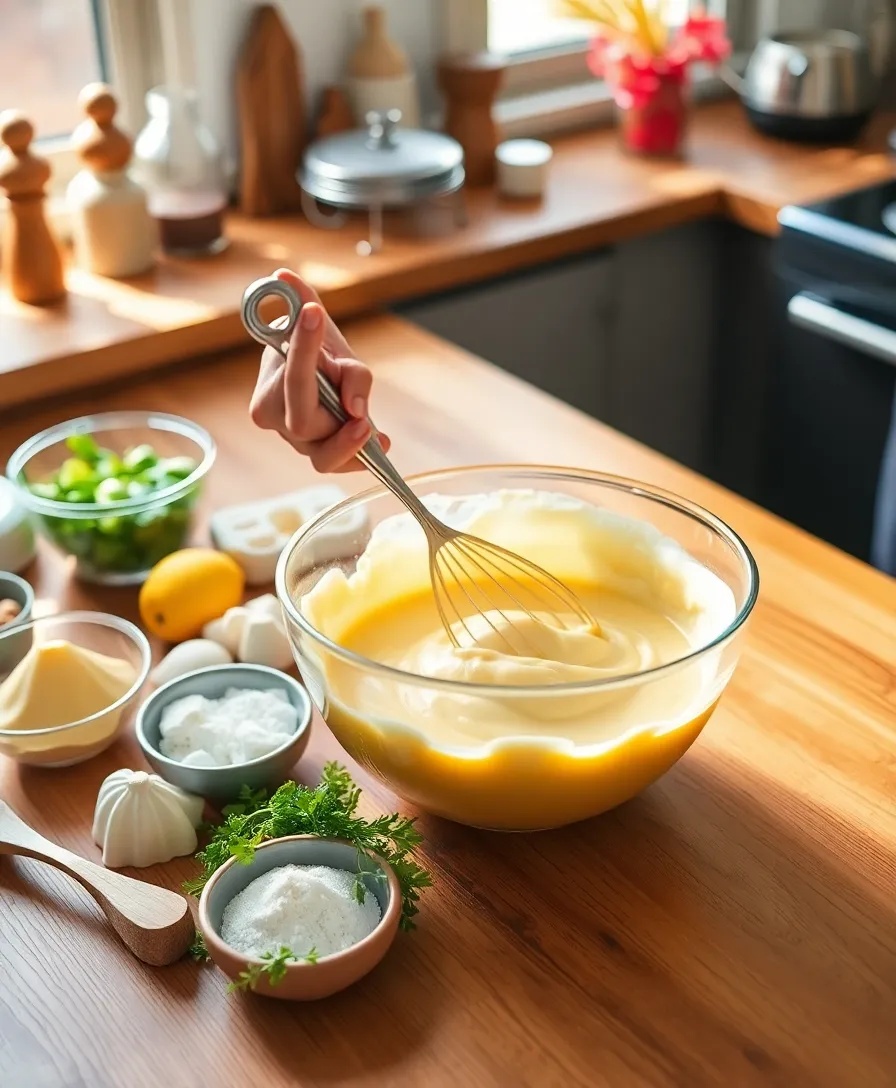
2. In a substantial mixing bowl, whisk together four whole eggs, four egg yolks, and half a cup of granulated sugar until the mixture achieves a pale, airy, and distinctly lemon-colored consistency.
-
3. Slowly drizzle the tempered milk into the beaten egg mixture, whisking continuously to ensure seamless incorporation and prevent curdling.
-
4. Carefully strain the custard base through a fine-mesh sieve directly into a buttered baking dish or individual ramekins, ensuring a perfectly smooth texture.
-
5. Place the prepared dish or cups into a larger baking pan, then carefully pour hot water into the larger pan until it reaches halfway up the sides of the custard containers, creating a gentle bain-marie.
-
6. Transfer to a preheated oven set to a moderate 325°F (160°C) and bake for approximately 30 minutes to one hour, or until a slender knife inserted near the center emerges clean, indicating perfect doneness.
-
7. Once baked, allow the custards to cool completely to room temperature, then refrigerate for several hours or overnight until thoroughly chilled. To serve, gently run a thin knife around the edge of each mold to loosen, then swiftly invert onto a serving plate.
-
**For Coffee-Infused Crème (Variation):**
-
1. Follow the foundational steps for the Crème Renversée, but modify the liquid component by combining two cups of milk with half a cup of intensely brewed, robust coffee, using this mixture in place of the three cups of plain milk.
-
**For Decadent Chocolate Crème (Variation):**
-
1. In a small saucepan, gently melt a quarter cup of water with a quarter pound of finely grated sweet chocolate over low heat, stirring incessantly until a lustrous, smooth ganache-like mixture forms.
-
2. Fold this rich chocolate preparation into two and a half cups of freshly scalded milk.
-
3. Proceed with the remaining instructions for the Crème Renversée, utilizing this delightful chocolate-infused milk blend as your primary liquid.
-
**To Craft a Glistening Caramel Glaze (Our Signature Style):**
-
1. Prior to commencing, ensure your serving mold is gently warmed—a crucial step for perfect caramel adhesion.
-
2. In a heavy-bottomed saucepan, combine half a cup of granulated sugar with two and a half tablespoons of water, bringing the mixture to a rolling boil.
-
3. Without stirring directly, gently swirl the pan by its handle until the sugar crystals fully dissolve and the liquid transforms into a clear syrup.
-
4. Continue to boil, frequently swirling the pan, observing as the syrup deepens to a rich, amber caramel brown, typically within two to three minutes.
-
5. Immediately and carefully pour the molten caramel into your pre-warmed mold, tilting and rotating swiftly to coat the entire bottom and lower sides with a thin, even film.
Recipe Notes
For an unparalleled presentation and an exquisite balance of flavors, we highly recommend serving this sublime custard inverted onto a platter, shimmering under a glossy, golden caramel. The subtle bitterness of the caramel perfectly complements the creamy sweetness of the custard. A crucial tip for achieving this perfection: always ensure your serving mold is gently warmed before introducing the hot caramel. This prevents rapid crystallization, allowing for a beautifully even and adherent coating that defines true elegance.
Global Heritage Archive
Anthropological & Spice Migration Record
“A cornerstone of classic French patisserie, this elegant dessert embodies the refined simplicity and technical precision characteristic of French culinary tradition.”
🌿 Spice & Botanical Migration
Vanilla, a key flavoring, originated in Mesoamerica and was introduced to Europe after the Spanish conquest, becoming widely cultivated globally only after the mid-19th century. Coffee, from Ethiopia and Yemen, and chocolate, also from Mesoamerica, arrived in Europe via complex trade routes, enriching European palates with “exotic” flavors that were rapidly integrated into the continent’s burgeoning dessert traditions.
🏺 Historical & Archaeological Record
The oldest archaeological evidence or written record of a recipe for an egg-based baked custard (without the specific flavorings of vanilla, coffee, or chocolate) can be traced back to Roman antiquity, with preparations described in texts like Apicius from the 4th century AD, and extensively in medieval European cookbooks from the 14th century onward.
💡 Little Known Facts
- The term “crème renversée” literally translates to “inverted cream,” referring to the dramatic moment when the baked custard is flipped from its mold, revealing a shimmering pool of caramel sauce.
- While deeply associated with France, the concept of a baked egg custard with a sweet sauce has ancient roots, with similar preparations found in Roman culinary texts and medieval European recipes, predating the use of New World ingredients like vanilla and chocolate.
📸 Made This Heritage Recipe?
We would love to see how your dish turned out! Send a photo of your culinary creation to [email protected] to be featured in our community gallery.
Leave a review and rate this recipe below!
Curated Literature & Washington DC Downtown Calendar
The Culinary Alchemist: Modern Gastronomy & Flavor Pairing
By LDN Gastronomy Series
Artisanal technique, seasonal sourcing, and kitchen mastery.
Upcoming Downtown Happenings
Live acoustic sessions, gallery receptions, literary salons, and independent trade shows across Washington DC.
