
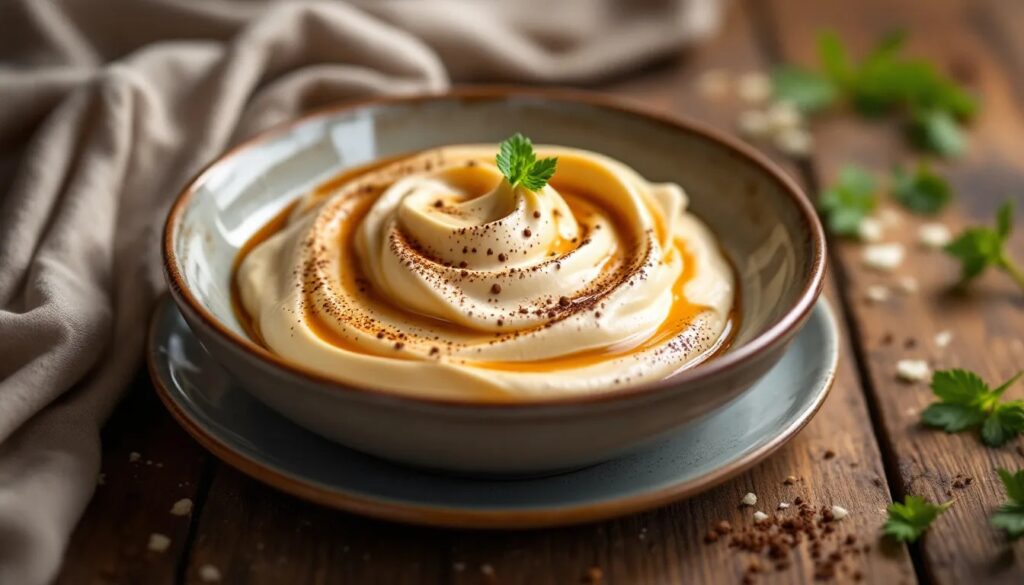
In the grand tapestry of global gastronomy, few concoctions whisper tales of cultural confluence quite as eloquently as the ‘Coffee Cream Anglaise.’ This seemingly simple sauce is, in fact, a miniature universe of culinary history, a testament to the journeys of ingredients, the evolution of techniques, and the enduring human quest for delectable pleasure. At its heart lies the Crème Anglaise, a foundational pillar of French patisserie. Its very name, ‘English cream,’ is a delightful linguistic enigma, for this silken, pourable custard is unequivocally French in its refinement and application. Originating from the sophisticated kitchens of France, it represents centuries of culinary artistry, where milk, sugar, and egg yolks are coaxed into a velvety emulsion, a delicate dance of heat and whisk that culminates in a sauce of unparalleled elegance.
Traditionally, it’s a canvas for subtle vanilla, but here, the narrative takes a bold turn with the introduction of espresso. The inclusion of espresso transforms this classic, imbuing it with the vibrant spirit of Italian coffee culture. Coffee, a plant with humble origins in the ancient forests of Ethiopia, embarked on an epic odyssey through the Arabian Peninsula, captivating Ottoman palates before arriving in the bustling cafés of Venice and Paris. The invention of espresso in early 20th-century Italy revolutionized its preparation, offering a concentrated burst of flavor and a ritualistic experience. The marriage of French finesse with Italian coffee intensity in this Anglaise is a perfect culinary entente, reflecting the lively cross-pollination of European cuisines.
Then there’s vanilla, the exotic whisper in the background. Hailing from the verdant jungles of Mesoamerica, specifically among the Totonac people of what is now Mexico, vanilla was a treasured flavoring long before Spanish conquistadors introduced it to Europe. Its journey across oceans to become a global spice, cultivated extensively in places like Madagascar, speaks volumes about the Age of Exploration and the creation of global trade routes. The subtle warmth of brandy further grounds the Anglaise in a European tradition, adding a layer of sophisticated warmth.
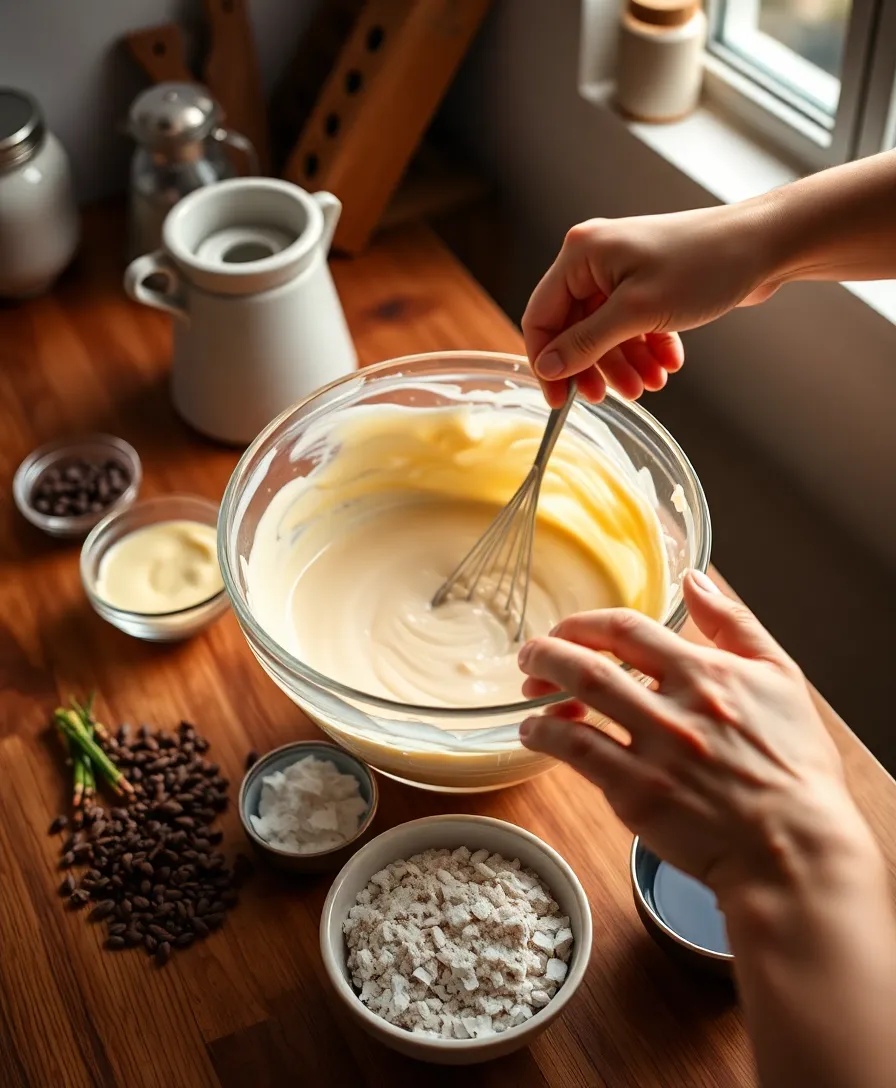
Preparing this Coffee Cream Anglaise is an exercise in patience and precision, a culinary meditation. The gentle tempering of egg yolks with hot milk and cream is crucial; rush it, and you risk scrambled eggs. The key is a slow, steady whisking over moderate heat, allowing the custard to thicken just enough to coat the back of a spoon – the ‘nappe’ stage – without curdling. The infusion of freshly ground espresso beans or a judicious amount of espresso powder, steeped in the dairy, ensures a deep, resonant coffee flavor that isn’t cloying. A helpful kitchen tip: always strain your finished Anglaise through a fine-mesh sieve. This simple step removes any stray egg bits or coffee grounds, ensuring an impeccably smooth, professional-grade sauce. Serve it warm alongside chocolate lava cakes, drizzled over a simple pound cake, or as an accompaniment to fresh berries, and you’re not just serving a dessert; you’re serving a slice of history, a journey on a plate.
Coffee Cream Anglaise
Imagine a silken cascade of French elegance, born from a symphony of robust espresso and a whisper of fine brandy. This refined custard sauce, a masterful reimagining of the classic crème anglaise, unveils a depth of sophisticated coffee flavor. Its irresistibly creamy texture and opulent aroma are designed to elevate an array of desserts, offering a luxurious counterpoint that delights the palate with every smooth, rich spoonful.
Ingredients
-
1½
cups
half-and-half -
6
Tablespoons
sugar -
1½
cups
milk -
1
vanilla bean
or 1 teaspoon vanilla extract -
½
cup
espresso coffee beans -
4
large
egg yolks -
2
Tablespoons
brandy -
½
teaspoon
espresso powder
for serving
Instructions
-
Into a heavy-bottomed saucepan, pour the half-and-half, granulated sugar, and milk. Should you be utilizing a vanilla bean, meticulously scrape the fragrant seeds into the saucepan, then add the empty pod for maximum infusion.
-
Gently heat the mixture over medium heat, stirring occasionally, until it reaches a rolling boil.
-
In a separate, heatproof bowl, whisk the egg yolks until they are uniformly pale and smooth.
-
With a continuous, steady whisk, slowly incorporate approximately half of the hot cream mixture into the prepared egg yolks. This crucial tempering step prevents the eggs from scrambling.
-
Pour the tempered egg yolk mixture back into the saucepan with the remaining cream. Continue to stir constantly over very low heat until the custard thickens sufficiently to lightly coat the back of a spoon, ensuring it never reaches a boil.
-
Immediately strain the finished crème anglaise through a fine-mesh sieve into a pristine bowl to achieve an impeccably smooth consistency.
-
Gently stir in the brandy (and vanilla extract, if opted for instead of the bean) until fully combined. Cover the bowl and refrigerate until thoroughly chilled, allowing the flavors to meld beautifully.
-
Moments before presentation, incorporate one teaspoon of espresso powder into the chilled crème anglaise, whisking until seamlessly blended, to awaken its vibrant coffee notes.
Recipe Notes
This sophisticated Coffee Cream Anglaise is an ideal companion, particularly when paired with an elegant ‘Terrine’ dessert. For a flawless presentation, ensure the terrine is impeccably chilled and precisely cut into ½-inch thick slices using a warm, dry knife, cleaned between each cut to maintain pristine edges. Artfully spoon the velvety crème anglaise around the base of each terrine slice just before serving. A convenient aspect of this recipe is its make-ahead potential: the crème anglaise can be prepared up to two days in advance; simply cover tightly and refrigerate until required for your culinary masterpiece.
Global Heritage Archive
Anthropological & Spice Migration Record
“A refined European dessert tradition, characterized by delicate custards and sauces, that expertly integrates global flavors.”
🌿 Spice & Botanical Migration
Vanilla, a key aromatic in this Anglaise, originated in Mesoamerica, where the Totonac people cultivated it. It was introduced to Europe by Spanish conquistadors, and its global cultivation, particularly in Madagascar and Réunion, blossomed after a method for artificial pollination was discovered in the 19th century. Coffee, the star flavor, hails from the Kaffa region of Ethiopia, journeying through Yemen and the Ottoman Empire before captivating Europe, eventually leading to the invention of the espresso method in Italy.
🏺 Historical & Archaeological Record
The concept of egg-thickened preparations, precursors to custards like Crème Anglaise, can be traced back to ancient Roman recipes found in ‘Apicius.’ Medieval European cookbooks, such as ‘Le Viandier’ from 14th-century France, also describe various forms of custards and creamy sauces, establishing a long lineage for this fundamental dessert technique.
💡 Little Known Facts
- Despite its French name meaning ‘English cream,’ Crème Anglaise is a cornerstone of French patisserie, often served with fruit tarts or cakes, demonstrating its deep roots in French culinary arts.
- The development of espresso in early 20th-century Italy was driven by the desire for a faster coffee preparation method, perfectly aligning with the increasing pace of modern life and quickly becoming a global symbol of Italian coffee culture.
📸 Made This Heritage Recipe?
We would love to see how your dish turned out! Send a photo of your culinary creation to [email protected] to be featured in our community gallery.
Leave a review and rate this recipe below!
Curated Literature & Washington DC Downtown Calendar
The Culinary Alchemist: Modern Gastronomy & Flavor Pairing
By LDN Gastronomy Series
Artisanal technique, seasonal sourcing, and kitchen mastery.
Upcoming Downtown Happenings
Live acoustic sessions, gallery receptions, literary salons, and independent trade shows across Washington DC.
