
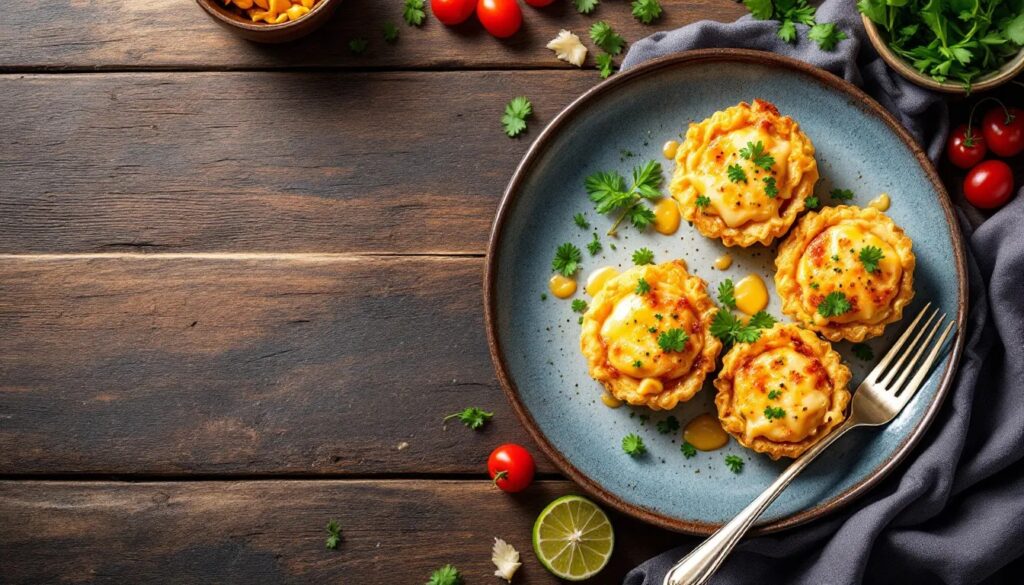
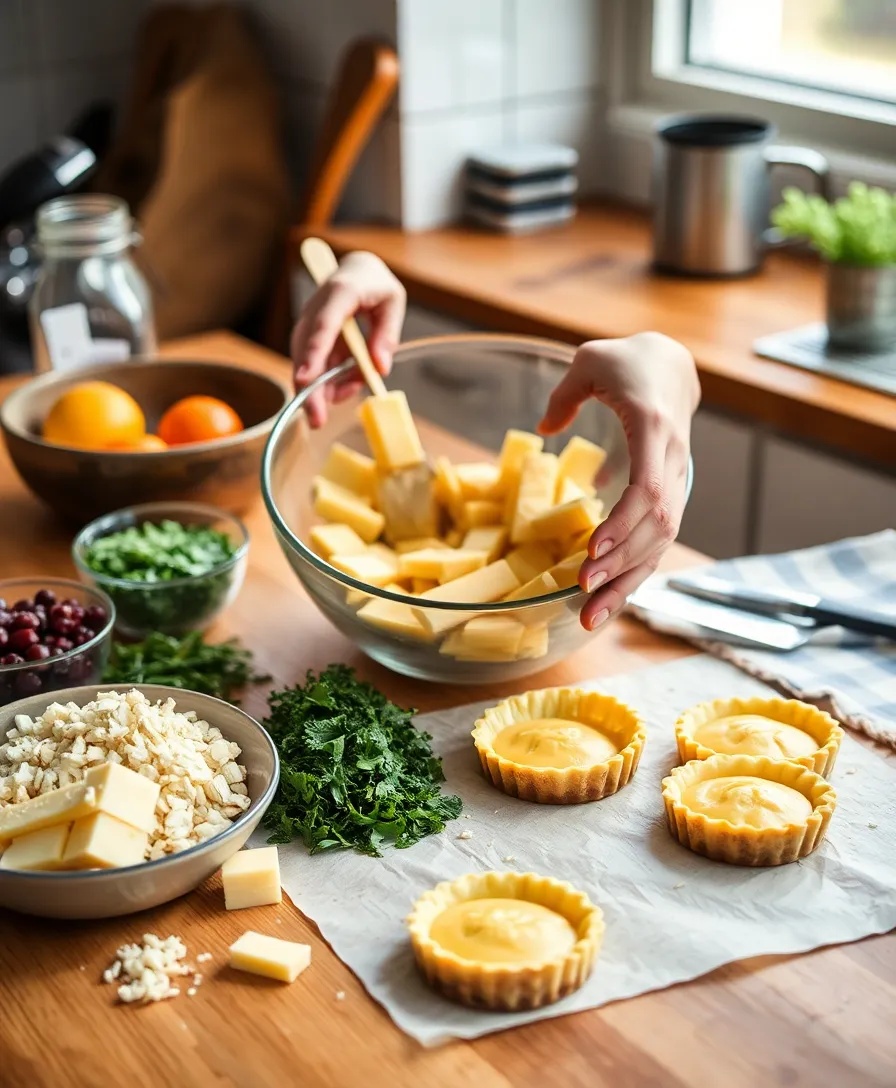
Imagine a perfect bite: a delicate, buttery crust giving way to a creamy, subtly tangy filling, all served at a refreshing chill. This is the promise of the Chilled Cheese Tartlet, a small marvel of French culinary ingenuity that effortlessly blends rustic tradition with sophisticated presentation. More than just an appetizer, it’s a testament to centuries of gastronomic evolution, a bite-sized journey through history, geography, and the enduring human desire for both sustenance and pleasure.
The lineage of such a tart traces back far deeper than modern French kitchens. While ancient civilizations from Egypt to Rome crafted early forms of pastry, often as a practical casing for meats or fruits, it was in medieval Europe that the savory tart, as we know it, began to truly coalesce. The Duchy of Lorraine, straddling what is now France and Germany, is often credited with the ‘quiche’ – a rich custard baked in a pastry shell. This form, evolving through centuries, found its refined expression in French cuisine, where local ingredients and meticulous techniques elevated it to an art form.
Our tartlet’s identity is profoundly shaped by its star players. The Gruyère cheese, with its nutty, earthy notes, is undeniably Swiss in origin, yet its adoption into the French pantry is so complete that it defines countless classic dishes. Its presence here speaks to the seamless culinary exchange across European borders. Then there’s the Dijon-style mustard, a vibrant burst of piquancy, hailing specifically from the heart of Burgundy, France. Mustard, from seeds native to the Mediterranean, has been a European staple since antiquity, but the particular preparation and renown of Dijon-style speaks volumes about France’s culinary branding and innovation. Even the ground blanched almonds in the crust, lending a subtle richness and tenderness, carry a narrative of migration; almonds journeyed from their Central Asian homelands across ancient trade routes to the Mediterranean, eventually enriching European baking traditions.
Crafting these tartlets is a delightful exercise in precision and patience. The key to a sublime crust lies in using impeccably cold butter and handling the dough as little as possible to ensure flakiness. The custard filling, a harmonious blend of eggs, milk, cream, and the distinctive Gruyère and Dijon, requires gentle baking to achieve that perfectly set yet yielding texture. The ‘chilled’ aspect isn’t merely a serving suggestion; it allows the flavors to meld and deepen, transforming the tartlet into an elegant, make-ahead offering ideal for soirées or a sophisticated lunch spread. Paired with a crisp white wine, these tartlets are not just food; they are an invitation to savor history, culture, and the timeless art of French cuisine, a reminder that even the smallest bites can tell the grandest stories.
CHILLED CHEESE TARTLETS
Imagine a delicate whisper of pastry, infused with the subtle richness of almond, yielding to a cloud of creamy indulgence. These exquisite tartlets are a symphony of textures and tastes, featuring a sophisticated Gruyère and Dijon custard, lightened to airy perfection with whipped cream. Served chilled, they offer a refreshing counterpoint to any sophisticated gathering, a testament to culinary artistry and refined taste. Each bite is a harmonious balance of savory depth and delicate crispness, a true gem for the discerning palate.
Ingredients
-
1 1/3
cups
flour -
1/4
cup
ground blanched almonds -
1
teaspoon
salt
for dough -
1
stick
butter
softened and cut into bits -
2
egg yolks
for dough -
1/2 cup plus 1 Tablespoon
milk
for cheese mixture -
3
ounces
Gruyere cheese
grated -
1/2
teaspoon
salt
for cheese mixture -
2
egg yolks
for cheese mixture -
3
Tablespoons
milk
for egg yolk mixture -
1
Tablespoon
Dijon-style mustard -
1
teaspoon
cornstarch -
1/2
cup
heavy cream
Instructions
-
**Pastry Foundation:** In a sizable mixing bowl, carefully combine the flour, finely ground blanched almonds, and salt. Form a slight depression in the center, into which you will place the softened, diced butter and the two egg yolks.
-
**Dough Formation:** Gently work the butter and egg yolks into the dry ingredients until a smooth, cohesive dough mass is achieved.
-
**Shell Preparation:** Divide the prepared dough into thirty-six uniform, marble-sized spheres. Press each sphere meticulously into individual tartlet molds, approximately 1½ inches across the top and ½ inch deep.
-
**Initial Bake & Cooling:** Arrange the filled tartlet molds on a baking sheet and position it in the lower third of an oven preheated to 400°F (200°C). Bake for about 10 minutes, or until the pastry edges turn a radiant golden hue. Allow the baked shells to cool completely before proceeding.
-
**Gruyère Infusion:** In a robust saucepan, combine the milk, grated Gruyère cheese, and salt. Bring the mixture to a gentle simmer over medium heat, stirring continuously until the cheese has fully melted and the liquid is smooth and homogenous.
-
**Custard Base:** In a separate mixing bowl, thoroughly whisk together the egg yolks, additional milk, Dijon-style mustard, and cornstarch. While continuing to whisk, gradually stream in the warm Gruyère mixture.
-
**Thickening the Custard:** Return the entire custard mixture to the saucepan. Cook over low to medium heat, stirring without interruption, until the custard thickens to a smooth, velvety consistency.
-
**Protected Cooling:** Transfer the thickened custard to a clean bowl. Place a round of buttered wax paper directly on the surface of the custard to prevent a skin from forming, then allow it to cool completely to room temperature.
-
**Finishing & Filling:** In a separate chilled bowl, whip the heavy cream until it forms firm, distinct peaks. Delicately fold the whipped cream into the cooled cheese custard until just combined. Transfer this airy filling to a pastry bag fitted with a decorative nozzle. Pipe the elegant custard into each cooled tartlet shell.
-
**Chilling & Setting:** Gently cover the filled tartlets and refrigerate for a minimum of one hour to allow the flavors to meld and the custard to set perfectly.
Recipe Notes
These exquisite tartlets are ideal for sophisticated soirées, bridal showers, or any occasion demanding a touch of refined elegance. For an extra flourish, consider garnishing each tartlet with a tiny sprig of fresh chives or a delicate grind of black pepper just before serving. They can be prepared several hours in advance, making them a perfect stress-free option for entertaining. Ensure the tartlet shells are entirely cool before filling to maintain their crispness.
Global Heritage Archive
Anthropological & Spice Migration Record
“A culinary culture known for its meticulous techniques, rich dairy products, artisanal cheeses, and sophisticated savory pastries often served as appetizers or light meals.”
🌿 Spice & Botanical Migration
The primary ‘spices’ influencing this dish are not exotic imports but rather indigenous European condiments and ancient naturalized ingredients. Mustard seeds, from which Dijon mustard is made, are native to the Mediterranean basin and have been cultivated and traded across Europe and Asia since antiquity. Almonds, essential for the refined tartlet crust, originated in Central Asia and the Middle East, migrating westward to the Mediterranean region thousands of years ago, becoming a deeply integrated ingredient in European sweet and savory baking.
🏺 Historical & Archaeological Record
The lineage of the savory tart, a pastry shell filled with a savory custard, can be traced back to medieval Europe. While ancient Greeks and Romans had rudimentary forms of pies, the direct precursors to dishes like quiche and cheese tarts emerged in the Middle Ages. Written records from 14th-century European cookbooks, such as ‘Le Viandier’ (France) and ‘The Forme of Cury’ (England), describe various ‘tortes’ or ‘tartelettes’ utilizing cheese, eggs, and milk in pastry shells, laying the foundation for this type of dish.
💡 Little Known Facts
- While Gruyère cheese originates from Switzerland, its ubiquitous use in French cuisine, particularly in dishes like quiches and gratins, has deeply woven it into France’s gastronomic identity.
- The concept of serving savory tarts chilled became particularly popular in 20th-century French entertaining, allowing hosts to prepare elegant appetizers in advance for buffets and soirées.
📸 Made This Heritage Recipe?
We would love to see how your dish turned out! Send a photo of your culinary creation to [email protected] to be featured in our community gallery.
Leave a review and rate this recipe below!
Curated Literature & Washington DC Downtown Calendar
The Culinary Alchemist: Modern Gastronomy & Flavor Pairing
By LDN Gastronomy Series
Artisanal technique, seasonal sourcing, and kitchen mastery.
Upcoming Downtown Happenings
Live acoustic sessions, gallery receptions, literary salons, and independent trade shows across Washington DC.
