
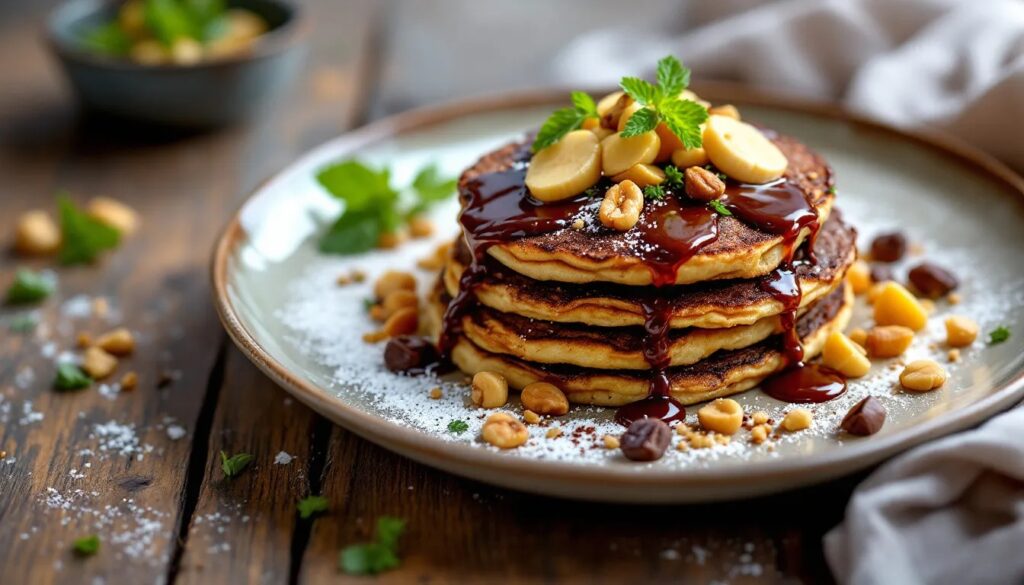
“BUTTERSCOTCH COCOANUT STACKS” – a name that conjures images of mid-century American kitchens, bustling with the sweet aroma of caramelized sugar and the comforting promise of a homemade treat. This humble recipe isn’t just a dessert; it’s a culinary time capsule, a delicious testament to an era of ingenuity, convenience, and the burgeoning love affair with processed ingredients that shaped the American palate.
Imagine the post-war landscape: a nation emerging into an era of prosperity, innovation, and a newfound appreciation for efficiency, even in the kitchen. The “no-bake” phenomenon, which these Butterscotch Cocoanut Stacks epitomize, soared in popularity. Homemakers, often juggling new social roles and busy schedules, embraced recipes that delivered maximum flavor with minimal fuss, sidestepping the need for an oven. This was the golden age of the shortcut, where products like evaporated milk, marshmallow cream, and commercially produced butterscotch chips became pantry staples, transforming home baking from a laborious task into a delightful assembly.
Delving into the history of its ingredients reveals a fascinating tapestry of global migration and culinary evolution. The star of the show, coconut, traveled millennia ago from its origins in Southeast Asia and the Pacific Islands, carried by ocean currents and human voyagers, eventually gracing dishes across continents. Its distinctive flavor and texture add an exotic touch to an otherwise distinctly American confection. Vanilla, the recipe’s aromatic soul, has an equally intriguing journey. Native to Mesoamerica, this delicate orchid’s fruit was introduced to the rest of the world through the Columbian Exchange, now extensively cultivated in regions like Madagascar, bringing its sweet, fragrant notes to countless desserts worldwide. And then there’s sugar, the very backbone of these stacks. From its humble beginnings in New Guinea, sugarcane spread through India, the Middle East, and eventually to Europe and the Americas, a commodity that fueled empires, trade routes, and unfortunately, the transatlantic slave trade, profoundly shaping global economies and culinary practices.
The genius of Butterscotch Cocoanut Stacks lies in their simplicity and the clever combination of these ingredients. The foundational step involves cooking brown sugar, white sugar, evaporated milk, and butter (or oleo, a common substitute during times of rationing or for economy) to a specific consistency, creating a rich, chewy caramel base. This warm mixture then serves as the perfect binder for butterscotch chips, marshmallow cream, shredded coconut, and finely chopped nuts. The marshmallow cream isn’t just for sweetness; it adds a unique chewiness and lightness, distinguishing these stacks from a denser fudge. Once mixed, the mounds are simply dropped onto waxed paper and allowed to cool, firming up into delectable, bite-sized confections ready for sharing.
For modern home cooks, recreating these stacks is a delightful exercise in culinary nostalgia. A key kitchen tip for success is to ensure accurate measurements, especially when cooking the sugar mixture, as this determines the final texture. Avoid overcooking, which can lead to a brittle, hard stack, or undercooking, which results in a sticky, unset treat. The mixture should reach a rolling boil for a specified time, allowing the sugars to properly dissolve and caramelize. While the recipe is robust, feel free to experiment: add a pinch of sea salt to balance the sweetness, or try different nuts like pecans or walnuts for varied crunch. These stacks are perfect for potlucks, holiday cookie platters, or simply a cozy evening indulgence, a sweet echo of a bygone era, proving that sometimes, the simplest pleasures are the most profound.
BUTTERSCOTCH COCOANUT STACKS
Unearth a cherished classic with our Butterscotch Cocoanut Stacks, a confectionery whisper from bygone eras, reimagined for today’s discerning palate. This effortlessly elegant, no-bake confection artfully blends the velvety depth of butterscotch with the tropical allure of sweet, shredded coconut and a subtle kiss of vanilla. Each petite cluster offers a delightful textural play, making them an ideal, shareable indulgence for any occasion, from intimate gatherings to grand celebrations.
Ingredients
-
2
cups
brown sugar -
1
cup
evaporated milk -
1
cup
white sugar -
½
cup
butter or oleo -
1
jar
marshmallow cream
5 to 10 oz. -
1
12-oz. pkg.
butterscotch chips -
8
oz.
shredded cocoanut
or flaked -
1
teaspoon
vanilla -
½
cup
finely chopped nuts
optional
Instructions
-
Into a robust, heavy-bottomed saucepan, introduce the brown sugar, evaporated milk, granulated sugar, and butter (or a suitable oleo substitute).
-
Position the saucepan over moderate heat and bring the concoction to a vigorous, rolling boil, ensuring frequent agitation with a spoon or whisk to prevent scorching.
-
Maintain this full boil for precisely fifteen minutes, continuing to stir periodically to ensure even cooking and prevent adherence to the pan’s base.
-
Carefully withdraw the saucepan from the heat source.
-
Without delay, incorporate the marshmallow cream, butterscotch morsels, shredded or flaked coconut, a splash of vanilla extract, and, if desired, the finely chopped nuts.
-
Stir vigorously and comprehensively until all components are seamlessly integrated and the mixture achieves a uniform consistency.
-
Using a teaspoon, carefully portion small mounds onto sheets of waxed paper. Allow these delectable clusters to cool and firm completely at room temperature.
Recipe Notes
These timeless no-bake delights epitomize simplicity and charm, making them an indispensable addition to festive holiday tables, casual potlucks, or any moment deserving of a sweet, handcrafted touch. Their effortless preparation belies a depth of flavor that appeals to all generations.
Global Heritage Archive
Anthropological & Spice Migration Record
“A culinary culture prioritizing convenience, affordability, and the sweet satisfaction of accessible, home-baked (or no-bake) treats, often shared in communal settings.”
🌿 Spice & Botanical Migration
The primary aromatic, vanilla, originates from orchids native to Mesoamerica (modern-day Mexico), introduced to the rest of the world via the Columbian Exchange and now extensively cultivated in regions like Madagascar and Indonesia. Coconut, a foundational ingredient for the ‘stacks,’ traces its botanical roots to Southeast Asia and the Pacific Islands, spreading globally through ocean currents and early human seafaring, eventually becoming a staple in tropical and trade-connected cuisines worldwide. The base ingredient, sugar, primarily from sugarcane, began its journey in New Guinea, traveling through India and the Middle East before reaching Europe and the Americas, profoundly shaping global economies and culinary practices.
🏺 Historical & Archaeological Record
The oldest archaeological evidence of sugar production, a foundational ingredient for this confectionery, dates back to New Guinea around 8000 BCE. While recipes for boiled sugar confections exist from medieval Arab and later European sources, the specific type of ‘no-bake’ candy or cookie utilizing processed ingredients like evaporated milk, marshmallow cream, and commercial chips finds its earliest widespread written records in American community cookbooks and product advertisements from the 1930s-1950s.
💡 Little Known Facts
- Marshmallow cream, a key ingredient, was patented in 1917, but its widespread use in ‘no-bake’ recipes peaked in the mid-20th century, coinciding with the rise of processed foods in American kitchens.
- ‘No-bake’ desserts surged in popularity during the Great Depression and WWII due to rationing and the need for economical, quick-to-prepare treats, carrying through to the post-war era of convenience.
📸 Made This Heritage Recipe?
We would love to see how your dish turned out! Send a photo of your culinary creation to [email protected] to be featured in our community gallery.
Leave a review and rate this recipe below!
Curated Literature & Washington DC Downtown Calendar
The Culinary Alchemist: Modern Gastronomy & Flavor Pairing
By LDN Gastronomy Series
Artisanal technique, seasonal sourcing, and kitchen mastery.
Upcoming Downtown Happenings
Live acoustic sessions, gallery receptions, literary salons, and independent trade shows across Washington DC.
