
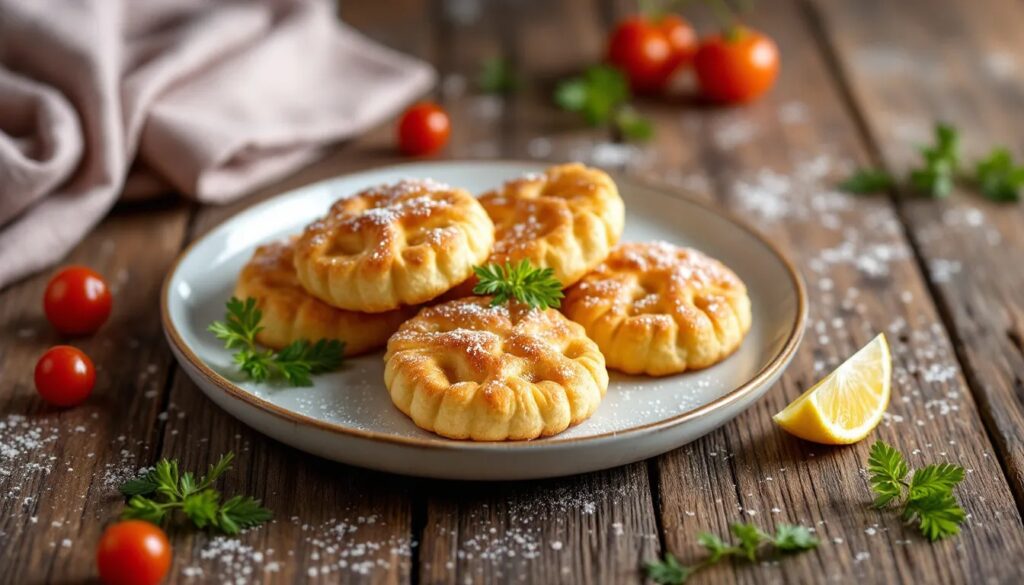
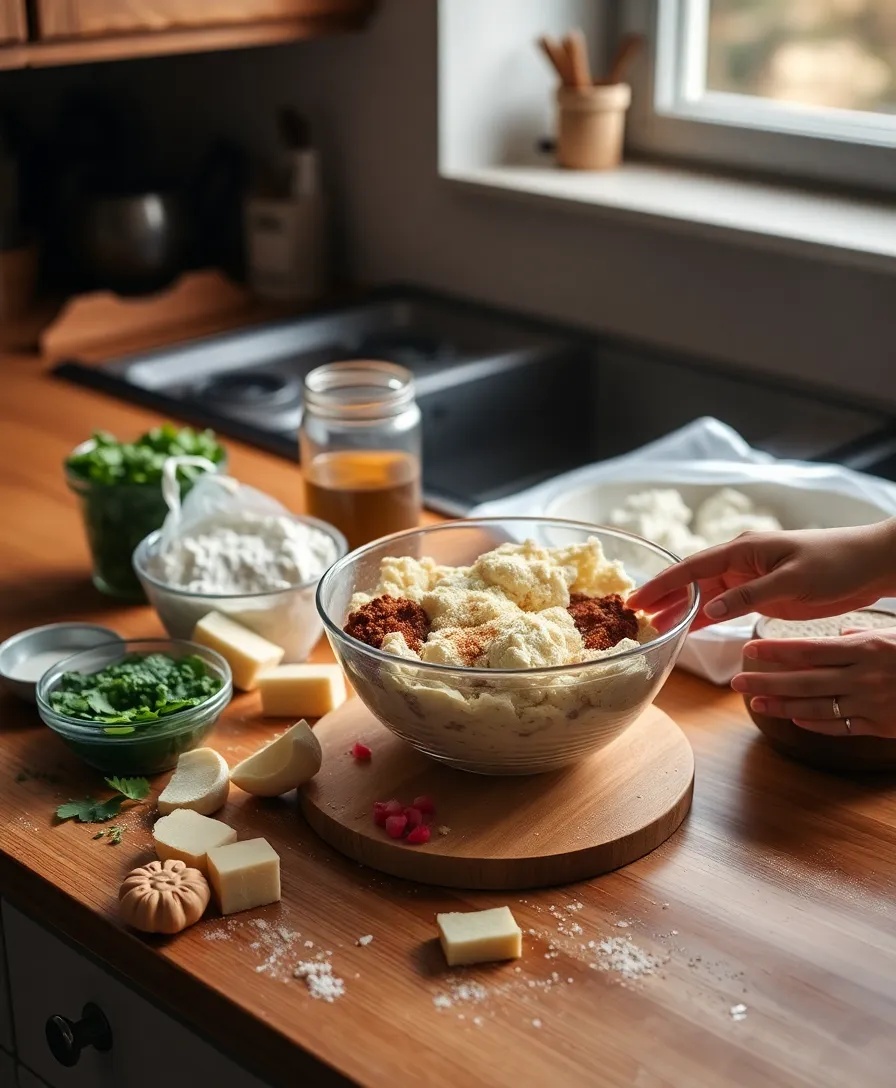
“Biscuits à la Cuillère,” or Ladyfingers as they are affectionately known in the English-speaking world, are far more than mere cookies; they are an architectural marvel of the dessert kingdom, the foundational cornerstone of countless iconic European confections. Their delicate, airy texture and subtly sweet flavor belie a rich history steeped in royal patronage and culinary innovation, a testament to the enduring allure of simple elegance.
Our journey begins in the late 15th century, amidst the opulent courts of the Duchy of Savoy, a historical region straddling modern-day France and Italy. Legend has it that these slender, golden biscuits were specifically crafted to honor a visit from the King of France. Such a grand occasion demanded a treat befitting royalty, and thus, the “Savoiardi” (as they are known in Italian, meaning “from Savoy”) were born – a light, elegant biscuit that quickly earned the distinction of being the “official” court biscuit. From Savoy, their fame spread like wildfire across Europe, adopted by French patissiers as “Biscuits à la Cuillère” (spoon biscuits, referring to the method of shaping or eating them) and becoming indispensable in aristocratic kitchens.
The very ingredients of the Ladyfinger tell a tale of global exchange and cultural fusion. Take vanilla, that intoxicatingly fragrant spice, so integral to its subtle perfume. Its journey began in the lush rainforests of Mesoamerica, cultivated by the Totonac people, before being introduced to Europe in the wake of the Columbian Exchange. For centuries, its propagation outside its native land was a mystery, until the ingenious hand-pollination methods developed in the 19th century in places like Réunion and Madagascar unlocked its global potential. Sugar, another vital component, embarked on an even longer odyssey, originating in Southeast Asia and India, traveling along ancient trade routes to the Middle East, and finally gracing European tables, transforming the landscape of sweet cookery. Even the humble wheat flour, derived from grains first domesticated in the Fertile Crescent, represents millennia of human agricultural endeavor and migration.
Crafting these ethereal biscuits is an art form rooted in precision and patience. The magic lies in the perfect aeration of eggs. Egg whites are whipped to stiff, glossy peaks, then gently folded with egg yolks that have been whisked with superfine sugar until pale and thick. The delicate balance is maintained by carefully sifting and folding in the all-purpose flour, sometimes with a touch of salt or cream of tartar to stabilize the whites. The batter, light as a cloud, is then piped through a pastry bag into its iconic finger-like shapes onto parchment-lined baking sheets. A critical step for achieving their characteristic slightly crisp, sugary crust and soft interior is the double dusting: first with superfine sugar before baking, creating a delicate crunch, and then often a final sift of confectioners’ sugar once cooled.
In the modern kitchen, while the principles remain steadfast, a few tips can elevate your Biscuits à la Cuillère. Ensure your eggs are at room temperature for maximum volume. Be meticulous in separating your eggs, as even a speck of yolk can prevent whites from whipping properly. When folding, imagine you’re caressing the batter, not stirring it; this preserves the precious air you’ve incorporated. And don’t overcrowd your baking sheets; give each “finger” room to breathe and bake evenly. The true beauty of Ladyfingers lies not just in their taste, but in their versatility. They are the essential component of a classic Tiramisu, the elegant framework for a Charlotte Russe, or simply a delightful accompaniment to a cup of coffee or a glass of dessert wine. They are, in essence, an edible whisper of history, a delicate indulgence connecting us to centuries of culinary artistry and global exchange.
BISCUITS A LA CUILLERE (LADYFINGERS)
These delicate French sponge cakes, known as Ladyfingers, are the quintessential base for classic desserts like tiramisu or charlotte. Light, airy, and subtly sweet, they’re perfect for soaking up rich flavors or simply enjoying on their own with a cup of tea, embodying elegant European baking traditions.
Ingredients
-
3
large
eggs -
1/2
cup
superfine sugar -
1/2
teaspoon
vanilla -
2/3
cup
all-purpose flour -
as needed
confectioners’ sugar
for sprinkling -
dash
salt or cream of tartar -
as needed
butter
for coating cookie sheets
Instructions
-
Separate the eggs, and beat the egg white with a dash of salt or cream of tartar. When the whites are firm, add the sugar and continue beating for about 1 minute.
-
Using a spatula, fold in the vanilla, then the beaten egg yolks into the meringue.
-
Sieve the flour on top of the mixture, folding it as you go along.
-
Coat 2 cookie sheets with butter and flour. Fit a pastry bag with a plain tube, pipe the ladyfingers onto the cookie sheets. They should be about 4 inches long by 1 inch wide.
-
Sprinkle the ladyfingers heavily with confectioners’ sugar. They should be sprinkled twice. Let them absorb the sugar for 5 minutes between sprinklings.
-
Turn the sheet upside down and give it a little bang with a knife to make the excess sugar fall on the table. This operation should be done rapidly and swiftly. If the mixture is the right consistency, the ladyfingers will not change shape at all.
-
Bake in a 325° preheated oven for 12 to 15 minutes. They should slide easily from the sheet after cooling for 15 minutes.
Recipe Notes
To avoid drying, stick one against the other and store in a covered container.
Global Heritage Archive
Anthropological & Spice Migration Record
“A staple of refined European patisserie, often serving as an elegant base for more complex desserts, symbolizing a delicate balance of simplicity and sophistication.”
🌿 Spice & Botanical Migration
The primary aromatic, vanilla, originates from Mesoamerica, where it was cultivated by the Totonac people. It was introduced to Europe following the Columbian Exchange in the 16th century, though successful cultivation outside its native habitat only became widespread in the 19th century in regions like Madagascar and Réunion. Sugar, another key ingredient, traces its origins to Southeast Asia and India, spreading westward via ancient trade routes and Arab merchants, profoundly influencing European sweet-making traditions.
🏺 Historical & Archaeological Record
The technique of creating light, aerated sponges by whipping eggs and folding flour has roots in medieval European baking, evolving from earlier ‘biscuits’ that were twice-baked. The specific written record for ‘Savoiardi’ (the Italian name for ladyfingers) dates back to the late 15th century in the Duchy of Savoy, making it one of the earliest documented delicate sponge biscuits.
💡 Little Known Facts
- Ladyfingers were reputedly created in the late 15th century at the court of the Duchy of Savoy to mark the visit of the King of France, becoming the ‘official’ court biscuit.
- The distinctive finger-like shape is achieved by piping the batter, which is then often double-dusted with sugar: first with superfine sugar before baking to create a slightly crisp crust, and then with confectioners’ sugar after baking for a soft finish.
📸 Made This Heritage Recipe?
We would love to see how your dish turned out! Send a photo of your culinary creation to [email protected] to be featured in our community gallery.
Leave a review and rate this recipe below!
Curated Literature & Washington DC Downtown Calendar
The Culinary Alchemist: Modern Gastronomy & Flavor Pairing
By LDN Gastronomy Series
Artisanal technique, seasonal sourcing, and kitchen mastery.
Upcoming Downtown Happenings
Live acoustic sessions, gallery receptions, literary salons, and independent trade shows across Washington DC.
