
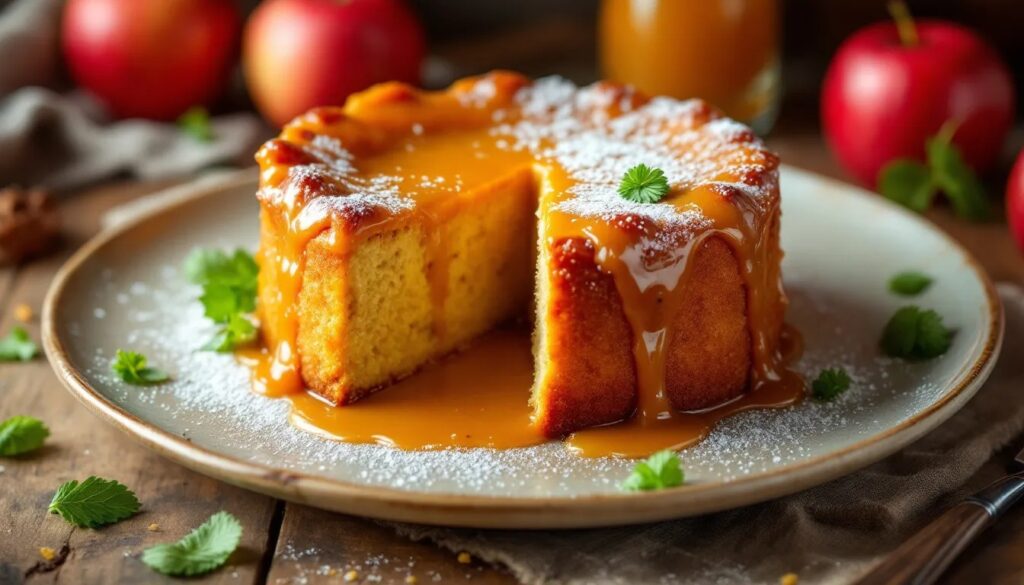
Step into any American kitchen where generations have gathered, and you’re likely to encounter the heartwarming aroma of an Applesauce Cake. This humble yet profoundly comforting dessert is far more than just a sweet treat; it’s a tangible tapestry woven from threads of global trade, ingenious resourcefulness, and the enduring spirit of home baking. Its history is a compelling narrative, revealing how disparate ingredients from across continents converged to create a universally beloved classic. Its very essence speaks to a culinary philosophy born out of necessity and a desire for deliciousness.
The genesis of Applesauce Cake as we know it largely resides in North America, particularly coming into its own during the late 19th and early 20th centuries. It rose to prominence as an economical and practical dessert, especially during periods of austerity like the Great Depression and World War II. During these times, butter and eggs were often scarce or rationed, and bakers ingeniously turned to applesauce—a readily available preserve of apples—to impart moisture, flavor, and natural sweetness. The inclusion of oil instead of butter wasn’t just a cost-saving measure; it also lent the cake an incredibly moist crumb and a longer shelf life, making it a pragmatic choice for busy households.
But the story of Applesauce Cake begins much earlier, tracing the long, winding journeys of its star ingredients. The apple, a fruit synonymous with orchards across America and Europe, originally hails from the mountains of Central Asia. Its cultivation spread westward over millennia, arriving in Europe and eventually crossing the Atlantic with early European settlers, becoming a staple. The vibrant, tangy crushed pineapple, however, is a testament to the Columbian Exchange, native to the fertile lands of South America before being introduced to the Old World and subsequently incorporated into global cuisine, often in canned form for convenience.
Then there are the spices—cinnamon, cloves, and nutmeg—the very soul of this cake’s distinctive warmth. These fragrant treasures embarked on epic voyages, originating from the tropical climes of Southeast Asia. Cinnamon from Sri Lanka, cloves and nutmeg from Indonesia’s Moluccas, the legendary Spice Islands. Their journey along the ancient Maritime Spice Route connected empires and cultures, bringing these exotic flavors to European palates, eventually making their way to the New World’s baking cupboards. Vanilla, another essential flavor enhancer, also has roots in the Americas, native to Mexico, and was introduced globally through the same historical exchange.
Preparing an Applesauce Cake is an act of continuing this rich tradition. To achieve that perfect balance of moistness and delicate spice, a few kitchen tips are invaluable. Ensure your applesauce is unsweetened or adjust the sugar content accordingly. Room temperature ingredients blend more seamlessly, creating a smoother batter. And a common pitfall to avoid is overmixing; mix until just combined to keep the cake tender. Whether you’re using homemade chunky applesauce or a smooth store-bought variety, the cake adapts beautifully, always promising a slice of history and comfort. The Applesauce Cake isn’t merely a recipe; it’s a delicious chronicle of human ingenuity, global connections, and the timeless joy of a homemade dessert.
APPLESAUCE CAKE
Journey back to a time of comforting traditions and heartfelt gatherings with our exquisite Applesauce Cake. This sublime creation elevates the humble apple into a symphony of flavors, where the gentle sweetness of orchard-fresh applesauce mingles harmoniously with bright, tropical pineapple, a captivating blend of warming spices, and a delightful medley of plump golden raisins and crunchy nuts. Each tender, moist slice promises a sensory indulgence, embodying the cherished legacy of artisanal home baking, perfect for elevating any occasion from a cozy afternoon tea to a grand celebratory dessert.
Ingredients
-
1
cup
applesauce -
1
cup
crushed pineapple
undrained -
1.5
cups
sugar -
0.75
cup
oil -
2
tsp
baking soda -
1
tsp
salt -
2
tsp
cinnamon -
0.5
tsp
cloves -
0.5
tsp
nutmeg -
0.5
cup
golden raisins -
1
cup
nuts
chopped, such as walnuts or pecans -
2
tsp
vanilla extract -
3.5
cups
all-purpose flour
added gradually
Instructions
-
Initiate your culinary journey by preheating your oven to a precise 350 degrees Fahrenheit (175 degrees Celsius).
-
Meticulously prepare a 10-inch tube pan by generously coating its interior with your preferred shortening or butter, then dusting it lightly with flour, ensuring every surface is well-covered to prevent sticking.
-
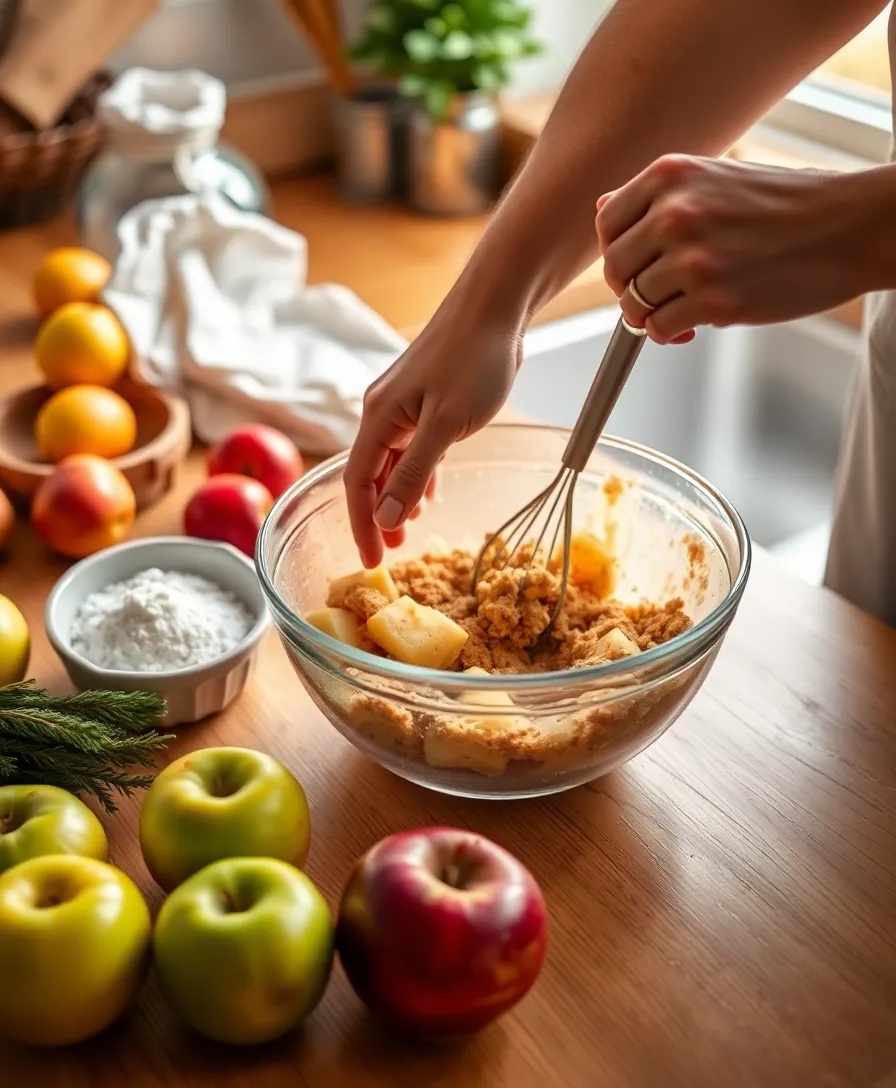
In a generously sized mixing bowl, artfully combine the luscious applesauce, the vibrant crushed pineapple (including its flavorful juices), granulated sugar, baking oil, baking soda, a pinch of salt, the aromatic trio of cinnamon, cloves, and nutmeg, the sun-kissed golden raisins, your chosen nuts, and a generous measure of pure vanilla extract. Whisk vigorously until all components are thoroughly integrated into a cohesive, fragrant blend.
-
Introduce the 3½ cups of all-purpose flour into the wet mixture in deliberate increments, incorporating one cup at a time. After each addition, stir diligently until the flour is completely absorbed and no dry pockets or streaks remain, ensuring a smooth, uniform batter.
-
Carefully decant the prepared batter into the awaiting, meticulously prepped tube pan, distributing it evenly.
-
Commence baking in the preheated oven at 350 degrees Fahrenheit for an initial 30 minutes. Following this crucial phase, reduce the oven temperature to a gentle 275 degrees Fahrenheit (135 degrees Celsius) and continue to bake for an additional hour, allowing the cake to slowly reach perfection.
-
Upon completion, extract the cake from the oven and permit it to repose within the pan for a minimum of 30 minutes. This essential cooling period aids in structure setting before you carefully invert it onto a wire rack to achieve complete ambient cooling.
Recipe Notes
This refined recipe was graciously shared by culinary enthusiast, Mary Venable. A professional tip for achieving an impeccably tender and fine crumb lies in the measured, gradual incorporation of flour into the wet ingredients, preventing over-development of gluten and ensuring a delicate texture.
Global Heritage Archive
Anthropological & Spice Migration Record
“A culinary culture characterized by resourceful home baking, often utilizing pantry staples and seasonal fruits, evolving from colonial traditions to modern convenience.”
🌿 Spice & Botanical Migration
The key spices in applesauce cake—cinnamon, cloves, and nutmeg—all trace their botanical origins to Southeast Asia. Cinnamon comes primarily from Sri Lanka (Ceylon) and parts of India, cloves from the Moluccas (Spice Islands) of Indonesia, and nutmeg also from the Moluccas. These coveted spices traveled west along ancient trade routes, including the Silk Road and the Maritime Spice Route, reaching the Middle East and eventually Europe. From there, they were introduced to the Americas by European colonists, becoming staples in Western baking, particularly in desserts like this cake.
🏺 Historical & Archaeological Record
While sweet, spiced breads and fruit-laden cakes have ancient roots, the specific concept of an ‘applesauce cake’ as a leavened, moist cake made with applesauce as a primary ingredient, featuring a blend of these particular spices, emerged in written recipes in American cookbooks in the late 19th century. Early versions can be found in publications like Sarah Tyson Rorer’s ‘Mrs. Rorer’s Philadelphia Cook Book’ (1886), marking its documented appearance in American culinary tradition.
💡 Little Known Facts
- Applesauce cake gained significant popularity in the United States during the Great Depression and World War II, as it often required less butter and fewer eggs than other cakes, relying on applesauce for moisture and richness.
- The use of oil instead of butter in many applesauce cake recipes not only made it more economical but also contributed to a remarkably moist crumb and extended shelf life, appealing to home bakers seeking practical solutions.
📸 Made This Heritage Recipe?
We would love to see how your dish turned out! Send a photo of your culinary creation to [email protected] to be featured in our community gallery.
Leave a review and rate this recipe below!
Curated Literature & Washington DC Downtown Calendar
The Culinary Alchemist: Modern Gastronomy & Flavor Pairing
By LDN Gastronomy Series
Artisanal technique, seasonal sourcing, and kitchen mastery.
Upcoming Downtown Happenings
Live acoustic sessions, gallery receptions, literary salons, and independent trade shows across Washington DC.
