
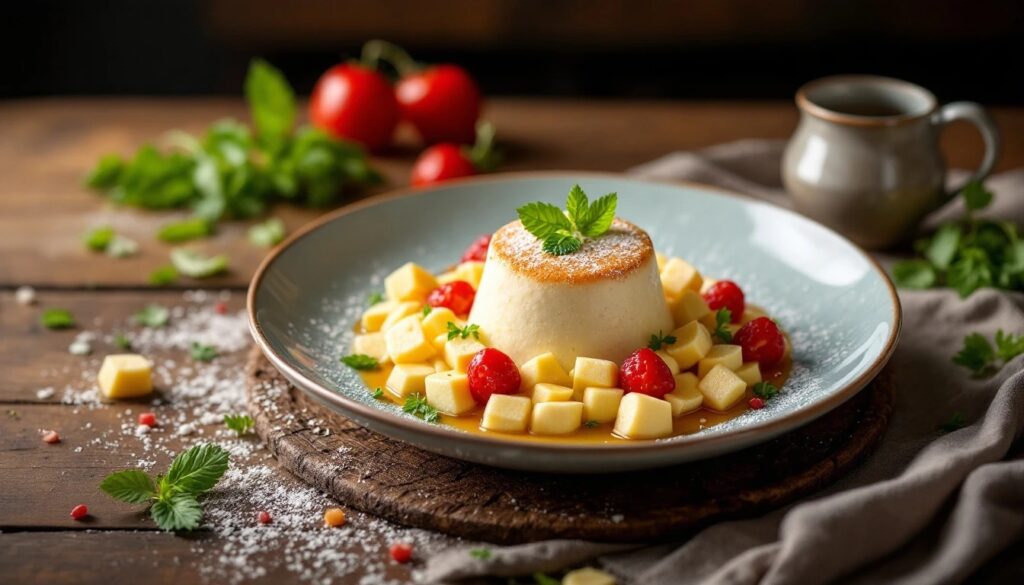
Imagine a sun-drenched afternoon in mid-20th century America, where the aroma of coffee mingles with excited chatter, and a table groans under the weight of potluck delights. Amidst the casseroles and deviled eggs, a luminous, shimmering dessert often held court: the ‘Angel Delight.’ This recipe is more than just a sweet treat; it’s a vibrant snapshot of a pivotal era in American culinary history, where convenience met creativity and communal eating reigned supreme.
The genesis of Angel Delight lies firmly in the post-World War II landscape, a time when American homemakers sought efficiency without sacrificing the charm of home-prepared meals. Brands like Knox Gelatin, patented in 1894, had been steadily paving the way for easier dessert creations, transforming the laborious process of clarifying animal collagen into a simple scoop of powder. This innovation, coupled with the growing availability of pre-made ingredients like the airy, elegant angel food cake—an American original, born from the clever use of surplus egg whites in the 19th century—set the stage for such delightful concoctions.
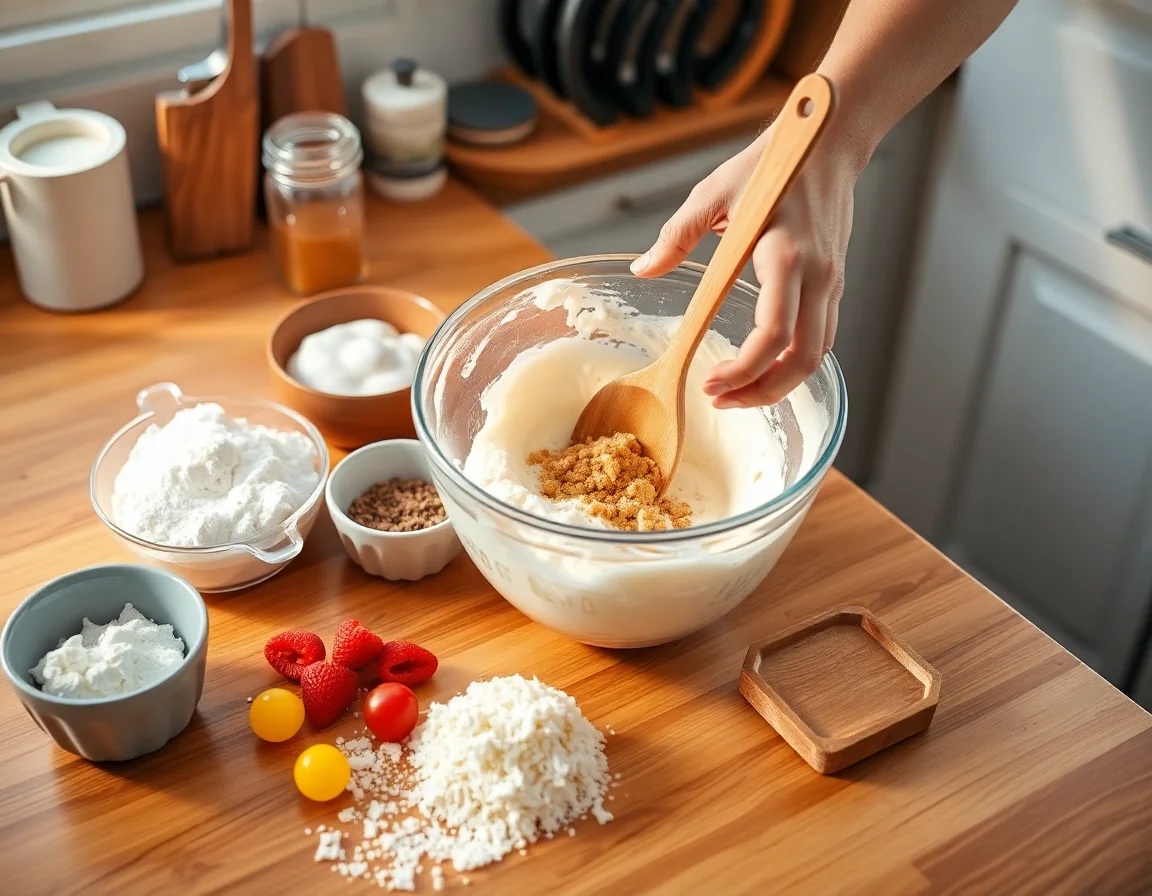
The ‘Angel Delight’ recipe itself is a testament to this era’s ethos: deceptively simple, yet utterly charming. Traditional preparation involves blooming plain gelatin in cold water, then dissolving it in hot water to achieve that essential liquid foundation. Freshly squeezed lemon and orange juices infuse the base with bright, zesty notes, balanced by sugar. Once slightly chilled to a nascent jiggle, the mixture is gently folded with billows of lightly sweetened whipped cream, creating a cloud-like texture. Cubes of pre-baked angel food cake are then incorporated, soaking up the citrusy cream and adding delightful pockets of soft, spongy sweetness. The entire affair is then allowed to set, emerging from the refrigerator as a dessert that’s both light and satisfying, elegant and approachable.
The ingredients themselves tell tales of global migration. The vibrant lemon and orange, central to this dish’s character, are not native to the Americas. Their botanical journey began in the ancient groves of Southeast Asia, traversing vast distances via the fabled Spice Routes and the Columbian Exchange to eventually grace American kitchens. Similarly, sugar, the sweet backbone of countless desserts, originated in New Guinea and underwent a transnational odyssey, profoundly shaping economies and societies across continents before becoming a pantry staple.
For those looking to recreate this nostalgic classic, a few kitchen tips can ensure perfection. Always ensure your gelatin fully dissolves, blooming it first in cold water for a few minutes before stirring in hot water until no granules remain. When whipping your cream, aim for soft to medium peaks; over-whipped cream can result in a grainy texture. Finally, resist the urge to rush the chilling process; adequate time in the refrigerator is key for the dessert to set beautifully and achieve its signature ethereal consistency. A sprinkle of fresh citrus zest before serving adds an extra layer of aromatic brilliance.
‘Angel Delight’ transcends its humble components to become a symbol of shared joy, community spirit, and the enduring American knack for transforming simple ingredients into something truly special. It reminds us that sometimes, the most cherished culinary experiences are found not in complexity, but in the delightful marriage of ease and elegance, served with a generous side of nostalgia.
ANGEL DELIGHT
A whisper of bygone elegance, "Angel Delight" is a captivating no-bake creation that promises a sublime sensory escape. This enchanting dessert masterfully orchestrates layers of feathery angel food cake, enrobed in a silken, radiant citrus-infused créme, and crowned with ethereal peaks of freshly whipped cream. It's a symphony of textures and sun-kissed flavors, delivering an irresistibly smooth and refreshing experience that harks back to simpler times yet feels utterly modern. Perfect for any cherished gathering, it's a testament to effortless sophistication and delightful taste.
Ingredients
- 1 envelope Knox plain gelatin None
- 1/2 cup cold water for dissolving gelatin (inferred from instructions)
- 1/2 cup hot water likely boiling water as per instructions
- Juice of 1/2 None lemon None
- 1 pint whipping cream None
- 1 cup orange juice None
- 1 cup sugar None
- 1 angel food cake None
Instructions
-
Initiate the preparation by combining the granulated gelatin with the specified cold water in a medium bowl, stirring until the gelatin is fully hydrated.
-
Introduce the designated hot water, incorporating it into the gelatin mixture and stirring continuously until the gelatin crystals have completely dissolved and the liquid is clear.
-
In a separate bowl, whisk together the fresh orange juice, lemon juice, and granulated sugar until the sugar has fully dissolved.
-
Gently fold the citrus-sugar blend into the warm gelatin solution. Set aside and allow the mixture to cool completely to room temperature, ensuring it does not begin to set.
-
Using an electric mixer, whip the heavy cream in a chilled bowl on high speed until firm peaks form, indicating it's light and airy.
-
Carefully incorporate the whipped cream into the thoroughly cooled citrus-gelatin mixture. Continue to beat with the mixer on medium speed until the concoction is uniformly smooth and beautifully aerated.
-
Prepare the angel food cake by gently tearing it into bite-sized pieces or delicate crumbles.
-
Arrange an even layer of the prepared angel food cake pieces across the base of an 8 x 11 x 2 inch baking dish.
-
Delicately spoon or pour approximately half of the airy citrus custard mixture over the initial layer of cake, spreading it evenly.
-
Follow with a second, uniform layer of the remaining angel food cake pieces.
-
Conclude by topping with the remaining custard mixture, ensuring it forms a smooth, appealing finish.
-
Transfer the completed dessert to the refrigerator and allow it to chill undisturbed for a full 24 hours, ensuring optimal setting and flavor development.
Recipe Notes
This cherished recipe, a true delight, comes to us from the culinary repertoire of Myrna E. Dross. For a final flourish before presentation, consider adorning each serving with a delicate dollop of freshly whipped cream and a vibrant maraschino or fresh cherry, adding both visual appeal and a burst of complementary flavor.
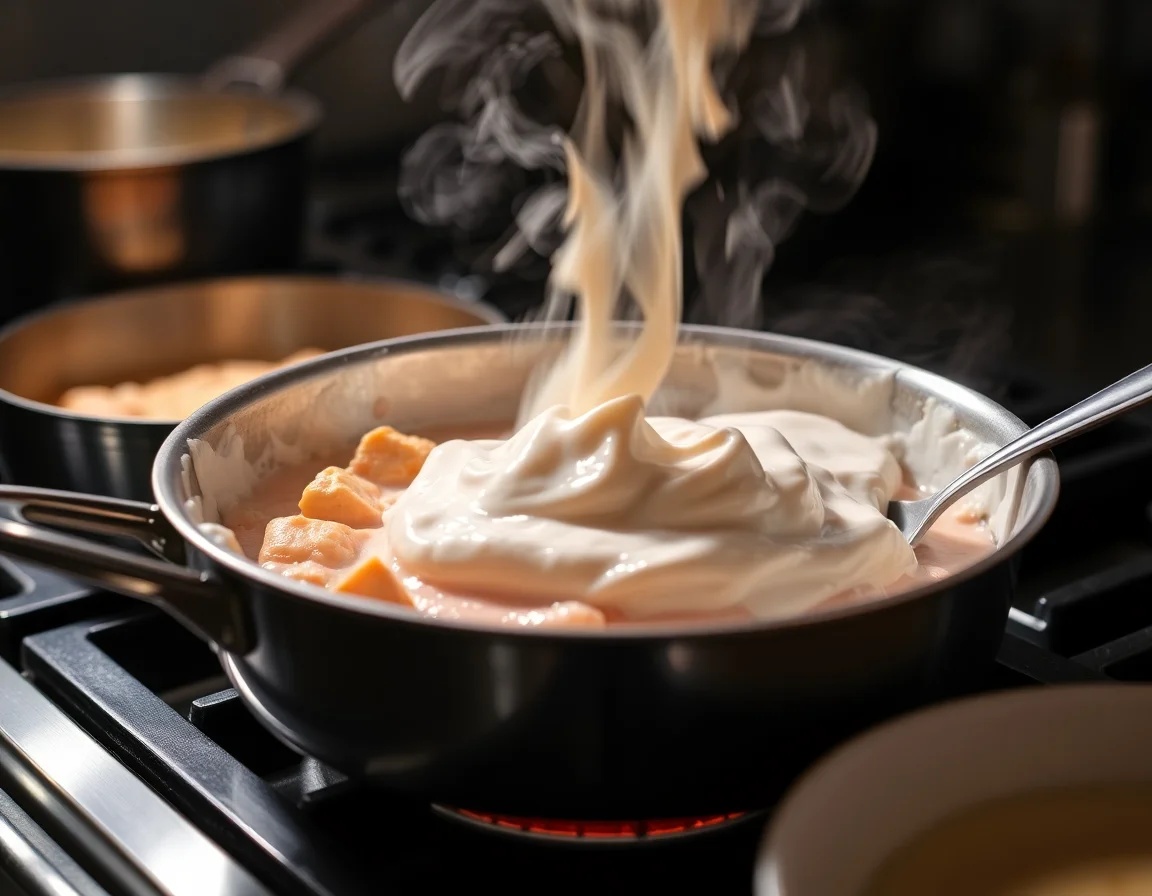
Editorial View: Active cooking process and preparation steps for ANGEL DELIGHT.
Global Heritage Archive
Anthropological & Spice Migration Record
“A celebration of convenience, community gatherings, and accessible home baking, embodying the spirit of mid-20th century American culinary innovation.”
🌿 Spice & Botanical Migration
The primary flavorings, lemon and orange, originated botanically in Southeast Asia (India, China, Malay Archipelago). They embarked on ancient trade routes, reaching the Middle East and then the Mediterranean via Arab traders by the early Middle Ages. Later, European colonizers, particularly during the Columbian Exchange, introduced these citrus fruits to the Americas, establishing groves that now sustain global demand. Sugar, derived from sugarcane (Saccharum officinarum), also traces its roots to New Guinea and spread via trade through India to the Middle East, reaching Europe through Arab expansion and the Crusades, before its intensive cultivation in the Americas during the Columbian Exchange profoundly reshaped global economies and diets.
🏺 Historical & Archaeological Record
The oldest written records of gelatin-based culinary preparations, encompassing both savory aspics and sweetened jellies, can be traced back to medieval European cookbooks. Notably, the 14th-century English manuscript ‘The Forme of Cury’ contains recipes involving the labor-intensive reduction of animal bones and tissues to extract collagen, a method centuries older than the commercial production of powdered gelatin. Angel food cake, however, is a relatively modern invention, with its earliest written recipes appearing in American cookbooks during the mid-19th century.
💡 Little Known Facts
- Knox gelatin’s initial widespread popularity in the early 20th century was significantly boosted by extensive marketing efforts, including distributing millions of recipe pamphlets and hosting cooking demonstrations, which encouraged homemakers to use gelatin beyond traditional aspics for a variety of desserts.
- Angel food cake, famous for its ethereal texture and reliance solely on egg whites, originated in the mid-19th century, likely among the Pennsylvania Dutch. It was often conceived as a clever way to utilize the abundance of egg whites left over from recipes that required only yolks, like custards or ice creams.
Historical Locality Cartographic Map — Mestizo Media Archive
📸 Made This Heritage Recipe?
We would love to see how your dish turned out! Send a photo of your culinary creation to [email protected] to be featured in our community gallery.
Leave a review and rate this recipe below!
Curated Literature & Washington DC Downtown Calendar
The Culinary Alchemist: Modern Gastronomy & Flavor Pairing
By LDN Gastronomy Series
Artisanal technique, seasonal sourcing, and kitchen mastery.
Upcoming Downtown Happenings
Live acoustic sessions, gallery receptions, literary salons, and independent trade shows across Washington DC.
