
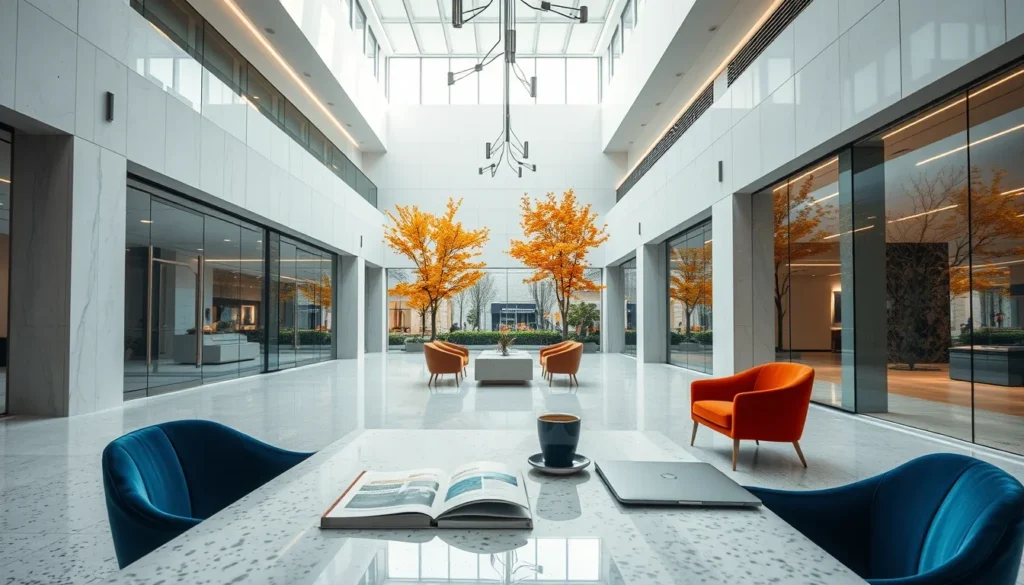
Young professionals redefining networking in the DMV are trading stiff hotel ballroom mixers for third-place cultural hubs, coworking incubators, and neighborhood taprooms. Across Washington, Maryland, and Northern Virginia, early- and mid-career talent now build relationships through shared creative programming, civic volunteering, and focused workspace communities.
Crisp 52-degree autumn evenings along K Street and the U Street Corridor no longer empty out at five o’clock. Instead, professionals in tailored wool coats step from Metro stations into rooms built for conversation, acoustic balance, and genuine collaboration. This shift reflects a deliberate move toward spaces that respect both personal time and career ambition.
Why are DC professionals leaving traditional happy hours behind?
Traditional happy hours prioritize volume over substance, leaving attendees with stacks of forgotten business cards and shallow small talk. Younger professionals in the District prefer structured, interest-driven gatherings that respect their schedules and foster measurable career or community impact.
At Eaton House, located inside Eaton DC at 1201 K Street NW, three floors of coworking and cultural incubator space replace the standard corporate lobby. Members transition easily between quiet afternoon worktables and evening vinyl DJ sets at the Allegory bar. The design encourages natural introductions without forced icebreakers.
This Downtown DC venue also opens its doors with free Tuesday coworking for former federal and military professionals. Registering in advance online secures a desk and places newcomers directly inside an active, cross-sector peer group. That simple booking step turns a solo workday into an immediate professional touchpoint.
How do private clubs and cultural hubs build lasting networks?
Modern member clubs and cultural venues anchor networking in shared identity, keynote dialogue, and consistent programming. Rather than forcing cold introductions, these spaces pair warm hospitality with substantive workshops, allowing entrepreneurs, creatives, and executives to connect naturally over recurring events.
Just blocks away at 1720 I Street NW, The Gathering Spot DC operates a private members-only club, restaurant, and fourth-floor flexible workspace. Its calendar centers on keynote conversations and evening cocktail receptions that bring founders and policy leaders to the same table. Members return weekly because the programming delivers real industry insight.
Further north in the U Street Corridor at 2021 14th Street NW, Busboys and Poets serves as a restaurant, bookstore, and civic anchor. Its Langston Room hosts author talks, panel discussions, and open mic nights where ideas spark organic professional introductions. Attendees bond over shared cultural curiosity before ever exchanging contact information.
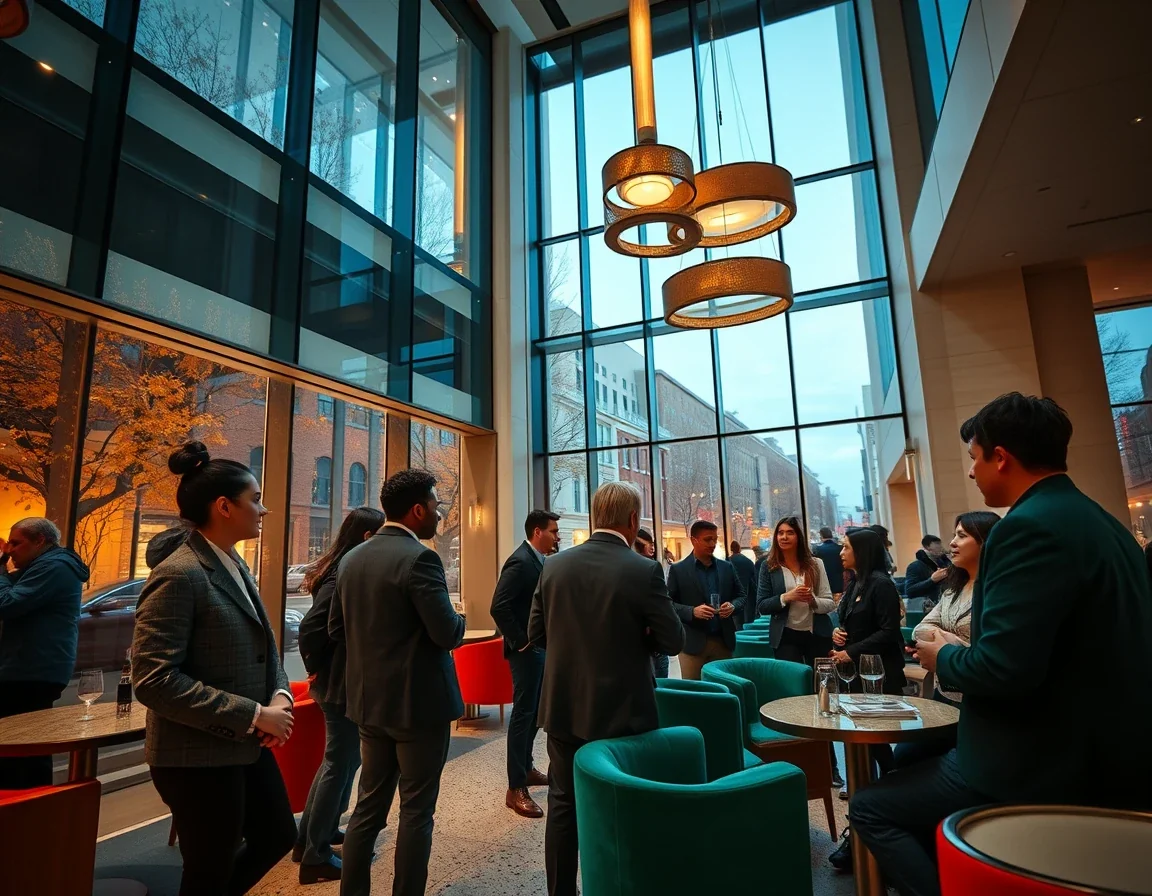
Neighborhood incubators and historic taprooms reshape the workday
In Friendship Heights at 5028 Wisconsin Avenue NW, Hera Hub DC offers a female-focused coworking space and business accelerator. Founders gather here for practical workshops, expert office hours, and a monthly open hour designed around direct mentorship rather than transactional pitching. The welcoming layout supports both solo focus and peer troubleshooting.
Prospective members can sign up online ahead of the monthly open hour to test the workspace and meet local operators. Planning ahead ensures access to structured advisory sessions with experienced regional entrepreneurs. For more ways to plug into the region’s creative economy, explore local community guides in DC Life Magazine.
Across town in Eckington at 327 S Street NE, Lost Generation Brewing Company occupies a historic 120-year-old former Nabisco factory. Its 2,500-square-foot taproom accommodates creative off-site team meetings by day and Saturday evening live jazz for relaxed neighborhood networking. Industrial brick walls and warm lighting give local professionals an unhurried alternative to downtown conference rooms.
Where does civic impact meet professional connection in Northern Virginia?
Northern Virginia coworking spaces increasingly blend career development with hands-on philanthropy and waterfront accessibility. By organizing workday volunteer stations and local speaker series, these venues unite regional professionals around tangible community outcomes rather than self-promotion.
Along Old Town Alexandria’s waterfront at 201 N Union Street, ALX Community hosts a dog-friendly workspace built for regional connection. Members attend the regular TALX speaker series and step away from their laptops for workday sandwich-making stations supporting local nonprofits. Working side by side on a community project builds trust faster than any formal reception.
This practical model appeals to seasoned homeowners and rising executives alike across the Potomac corridor. Building equity in a career increasingly mirrors long-term residential investment, favoring durable local ties over fleeting transactions. Professionals who invest their time in neighborhood institutions see lasting returns in both referrals and friendships.
Navigating the DMV network with intention
Securing a seat in these rooms requires deliberate preparation rather than a pocket full of printed cards. Check venue calendars two weeks ahead, RSVP for small-group workshops, and arrive ready to listen before offering a pitch. Consistent attendance at one or two spaces beats sporadic appearances across a dozen crowded mixers.
Take advantage of digital member portals and advance loyalty registrations whenever venues offer trial days or open hours. Showing up early for a panel or staying ten minutes after a volunteer shift often creates the clearest opening for a meaningful conversation. Small habits compound quickly when you treat networking as community building.
As crisp autumn evenings settle over Georgetown, Capitol Hill, and Alexandria, the region’s most productive conversations happen far from convention halls. The DMV’s next generation of leaders is building an authentic, resilient network rooted in shared tables and lasting local impact.
Little Known Fact: During the 1920s, poet Georgia Douglas Johnson hosted the Saturday Nighters salon at her rowhouse on S Street NW in Washington, DC, creating an influential cross-disciplinary network for writers, educators, and professionals. (Source: Library of Congress)
Curated Literature & Washington DC Downtown Calendar
The Architecture of Focus: Deep Work & Modern Mastery
By Founders Library Press
A structured framework for strategic clarity, productivity, and authentic execution.
Upcoming Downtown Happenings
Live acoustic sessions, gallery receptions, literary salons, and independent trade shows across Washington DC.
DC Life Magazine Insider Dispatch
Get Curated Local Guides and Editorial Features
Tell us your city and primary editorial interest so our editors send relevant local dining, culture, style, and outdoor guides with zero clutter.
