
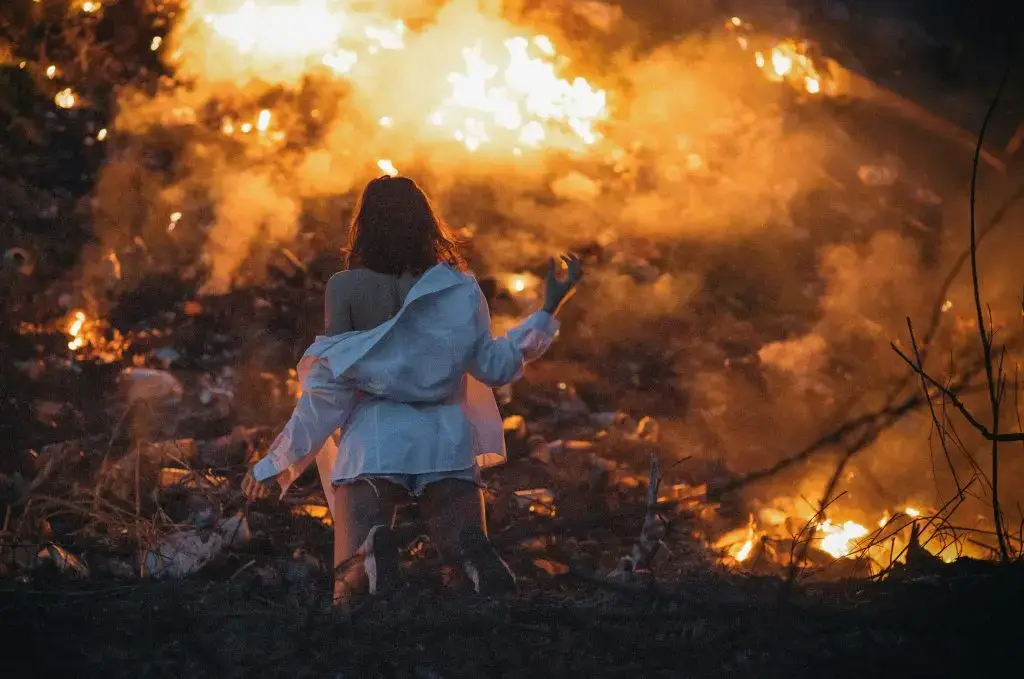
Being able to identify an emergency situation quickly is a crucial skill for everyone, from first responders to residents across the DC/DMV area. An emergency can occur anytime and anywhere, from natural disasters to accidents or sudden illnesses.
Recognizing the Signs of an Emergency Situation
The first step to knowing when you’re experiencing a medical emergency is to recognize the signs:
- Sudden pain
- Difficulty breathing
- Profuse bleeding
- Fainting or loss of consciousness
- Seizures
- Chest pain or discomfort
- Sudden confusion or weakness
- Severe burns
- Severe trauma
If you notice smoke, fire, flooding, or other hazardous conditions in your surroundings, call emergency services immediately.
Take Immediate Action
Once you recognize an emergency, act as soon as possible. Call for emergency services, and look for emergency exits, fire alarms, or other safety equipment if you are in a building. If someone nearby is experiencing a medical emergency and you are first aid and/or CPR certified, provide first aid or basic life support until emergency responders arrive. If you’re in imminent danger, move to a safe location and protect yourself and others. If you have visibility devices such as Eflares and safety beacons, display them in an area where rescue workers can easily see them.
Stay Calm
During an emergency, it’s easy to panic or become overwhelmed by fear and anxiety. However, staying calm is essential for responding effectively and avoiding further harm. Take deep breaths, focus on the present, and try to remain clear-headed. If you’re in a group, assign tasks and communicate clearly to avoid confusion and chaos.
Be Prepared
Knowing what to do in an emergency can help you react quickly when it matters. Take the time to learn basic first aid, CPR, and other life-saving skills. Keep emergency contact numbers and essential supplies like a first aid kit, flashlight, and water bottle in your home, car, or workplace. You should also create an emergency plan with your family, friends, or neighbors.
Seek Help
If you’re a survivor of an emergency, it’s essential to seek support afterward. Depending on the nature and severity of the event, you may experience physical, emotional, or psychological trauma. Don’t hesitate to seek medical, emotional, or social support for yourself.
Be Ready for Anything
Understanding the unique challenges of an emergency situation in a densely populated area like DC requires local awareness.
Knowing when you’re in an emergency situation can make all the difference in ensuring your safety and that of others. Remember to stay calm, and don’t be afraid to seek help when needed. By following these tips, you can prepare yourself to respond to emergencies and minimize their impact on your life and the lives of those around you.
Curated Literature & Washington DC Downtown Calendar
The Architecture of Focus: Deep Work & Modern Mastery
By Founders Library Press
A structured framework for strategic clarity, productivity, and authentic execution.
Upcoming Downtown Happenings
Live acoustic sessions, gallery receptions, literary salons, and independent trade shows across Washington DC.
