
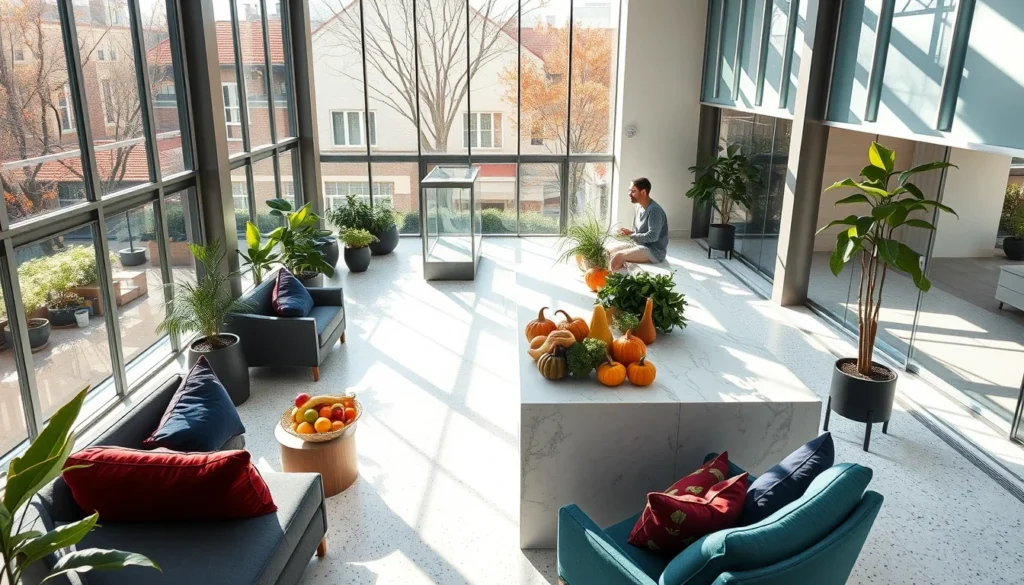
DC’s nonprofit leaders tackling housing and food access operate integrated service hubs across the District, pairing daily nutrition with permanent supportive housing and legal advocacy. As crisp autumn air settles over Washington, DC, these institutions deploy disciplined capital allocation to stabilize households before winter temperatures arrive.
Across Buzzard Point, Shaw, Truxton Circle, and Ward 8, established organizations treat food insecurity and housing instability as interconnected balance-sheet pressures. Rather than offering temporary charity, their operating models reduce household grocery outlays so residents can meet rising rent and utility obligations.
How Do Local Kitchens Turn Culinary Training Into Food Security?
DC Central Kitchen transforms donated produce and commercial kitchen space into workforce training and neighborhood grocery distribution. Operating from Buzzard Point at 2121 First Street SW, the organization prepares scratch-cooked farm-to-school meals while supplying fresh ingredients to corner stores in neighborhoods without supermarkets.
Its social enterprise model generates earned revenue through institutional catering and The Klein Center Cafe. Students complete structured culinary instruction inside an industrial facility, gaining paid kitchen experience that translates directly into stable hospitality employment across the metropolitan region.
By placing fresh, affordable produce inside existing corner stores, the program bypasses traditional retail gaps in underserved corridors. Residents pick up crisp fall apples, greens, and cooking staples steps from their front doors without boarding multiple buses or trains.
Why Pair Client Choice Pantries With Housing Legal Aid?
Bread for the City combines a monthly client-choice food pantry with free legal representation to prevent evictions before they reach court. From its Shaw headquarters at 1525 7th Street NW and its Southeast Center at 1700 Marion Barry Avenue SE, staff address both immediate hunger and landlord disputes.
Shoppers select fresh produce, meat, and nonperishables tailored to their household needs rather than accepting pre-packed boxes. Upstairs, attorneys and housing advocates challenge unsafe living conditions, negotiate lease protections, and push for long-term affordable housing preservation across the District.
Co-locating food access and legal defense eliminates the transit burden for working families managing tight schedules. A single visit resolves immediate pantry shortages while putting experienced tenant counsel on the record to protect a household’s lease.
Neighborhood Markets Anchoring Southeast DC Households
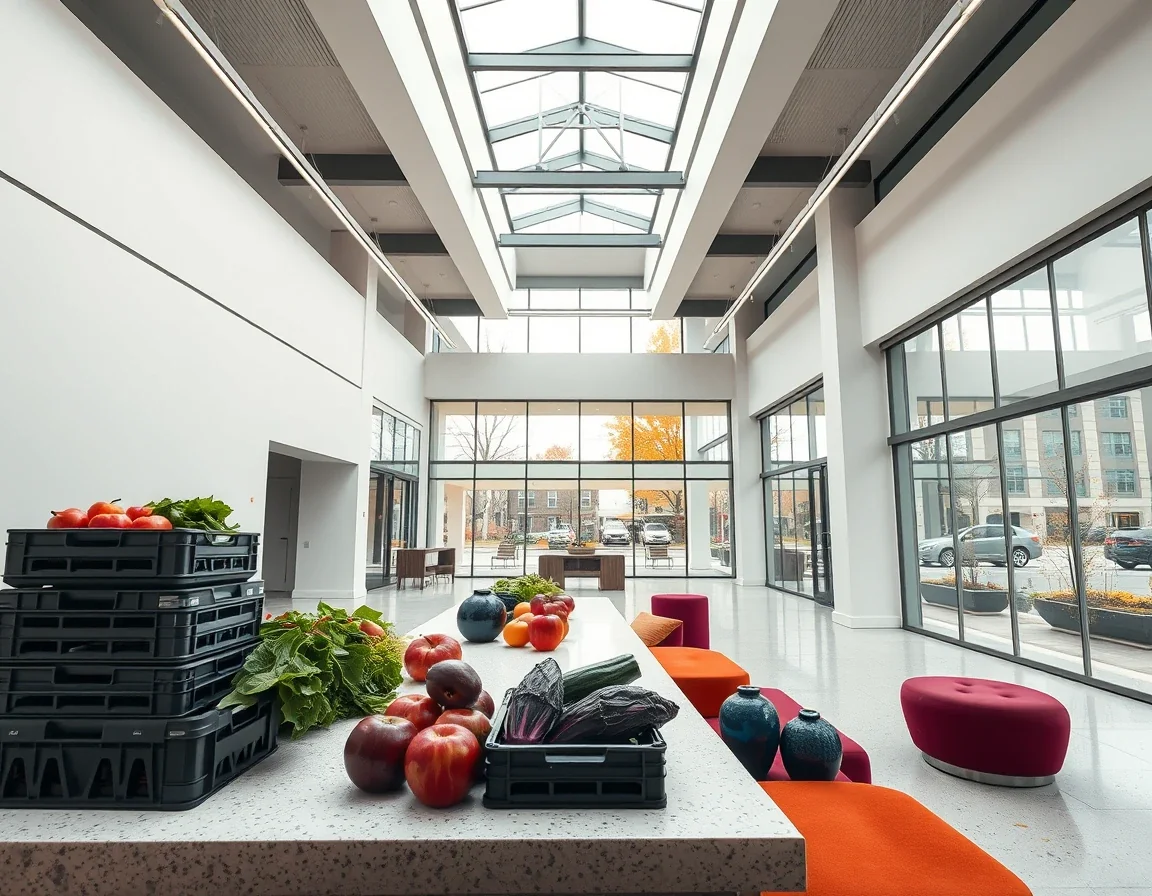
In Ward 8, Martha’s Table operates no-cost, choice-based markets at The Commons on 2375 Elvans Road SE. As cool October evenings settle across the Potomac corridor, families browse stocked bins of fresh fruits, vegetables, and pantry staples in a dignified retail environment.
Removing the weekly grocery bill creates immediate financial breathing room for working households. Families redirect those saved dollars toward rent, heating utilities, and essential family expenses, turning nutrition access into a practical strategy for neighborhood stability.
Consistent access to fresh ingredients also supports long-term household health without straining monthly budgets. Readers tracking civic initiatives and local community profiles can explore more regional reporting in DC Life Magazine.
What Makes Wraparound Housing Models Effective in Central DC?
Wraparound housing models succeed by placing medical care, job training, and daily meals under the same organizational roof as affordable apartments. In Truxton Circle, So Others Might Eat (SOME) at 71 O Street NW serves more than 800 free meals every day of the week alongside long-term housing.
SOME also distributes more than 70,000 pounds of groceries annually through its food pantry while providing addiction treatment and vocational coaching. By stabilizing health and income simultaneously, the organization equips residents to maintain permanent leases over the long haul.
This multi-tier structure prevents vulnerable neighbors from falling through administrative cracks between separate agencies. Every meal served in the Truxton Circle dining room serves as an accessible entry point into durable housing and career support.
Street Outreach and Case Management in Foggy Bottom
Just blocks from federal office buildings in Foggy Bottom, Miriam’s Kitchen serves weekday breakfast and dinner in the basement of Western Presbyterian Church at 2401 Virginia Avenue NW. Guests sit down to hot, scratch-made meals before connecting directly with street outreach teams and housing case managers.
Rather than treating dining and housing as separate tracks, caseworkers build trust with unhoused neighbors over consistent morning coffee and evening plates. That steady relationship accelerates documentation, voucher navigation, and placement into permanent apartments aimed at ending chronic homelessness.
Permanent Supportive Housing for Women in Logan Circle
Further east in Logan Circle, N Street Village focuses specifically on homeless and low-income women at 1333 N Street NW. Its Flagship Permanent Supportive Housing program provides stable residences and wraparound services for 44 women, anchored in a residential neighborhood lined with mature oaks and rowhomes.
Alongside residential apartments, Bethany Women’s Center serves daily breakfast and lunch meals in a welcoming, low-barrier setting. Women access daily nourishment, hygiene resources, and individualized support without navigating fragmented intake systems across the city.
These six institutions demonstrate how strategic local philanthropy and disciplined operations protect Washington’s most vulnerable residents. As cooler weather settles across the region, supporting DC Central Kitchen, Bread for the City, Martha’s Table, and So Others Might Eat strengthens the city’s foundational safety net.
Little Known Fact: DC Central Kitchen launched in January 1989 when founder Robert Egger began rescuing untouched banquet food from Washington, DC hotels and restaurants, pioneering the nation’s first community kitchen model that paired food recovery with formal culinary job training. (Source: Smithsonian Institution National Museum of American History)
Curated Literature & Washington DC Downtown Calendar
The Architecture of Focus: Deep Work & Modern Mastery
By Founders Library Press
A structured framework for strategic clarity, productivity, and authentic execution.
Upcoming Downtown Happenings
Live acoustic sessions, gallery receptions, literary salons, and independent trade shows across Washington DC.
DC Life Magazine Insider Dispatch
Get Curated Local Guides and Editorial Features
Tell us your city and primary editorial interest so our editors send relevant local dining, culture, style, and outdoor guides with zero clutter.
