
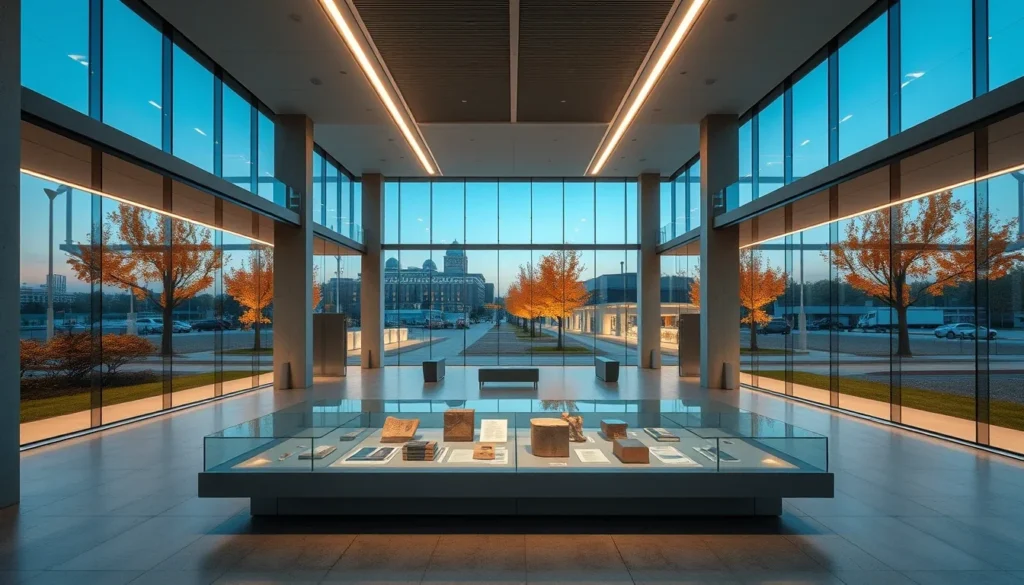
Profiles in public service across Washington, DC extend far beyond congressional hearing rooms into neighborhood bookstores, community museums, and civic gathering halls. On crisp autumn evenings when temperatures dip toward 50 degrees, real municipal policy takes shape along 14th Street, Georgia Avenue, and Arlington corridors.
Federal headlines rarely capture the strategic labor required to run school boards, tenant coalitions, and neighborhood preservation trusts. Across the District and Northern Virginia, local leaders rely on independent institutions that provide physical space, archival memory, and direct public accountability for residents.
Where Do Local Civic Leaders Convene Outside Federal Buildings?
Civic organizers, educators, and municipal advocates in Washington, DC routinely gather at independent cultural venues along the U Street Corridor and Pleasant Plains. These neighborhood anchors host policy forums, film screenings, and voter education sessions accessible to residents without federal security clearances.
At 14th and V Streets NW, Busboys and Poets operates as a cornerstone for community dialogue. Founder Andy Shallal established the restaurant and bookstore to pair hospitality with direct civic engagement, even securing the honorary Langston Hughes Way designation for V Street through persistent local advocacy.
The room’s spatial cadence balances warm timber dining booths with an adjacent performance space built for weekly open mics and neighborhood town halls. Coat-clad neighbors fill the tables after work to debate housing policy, arts funding, and ward-level transit priorities over dinner.
How Do Neighborhood Bookstores Shape Public Policy Conversations?
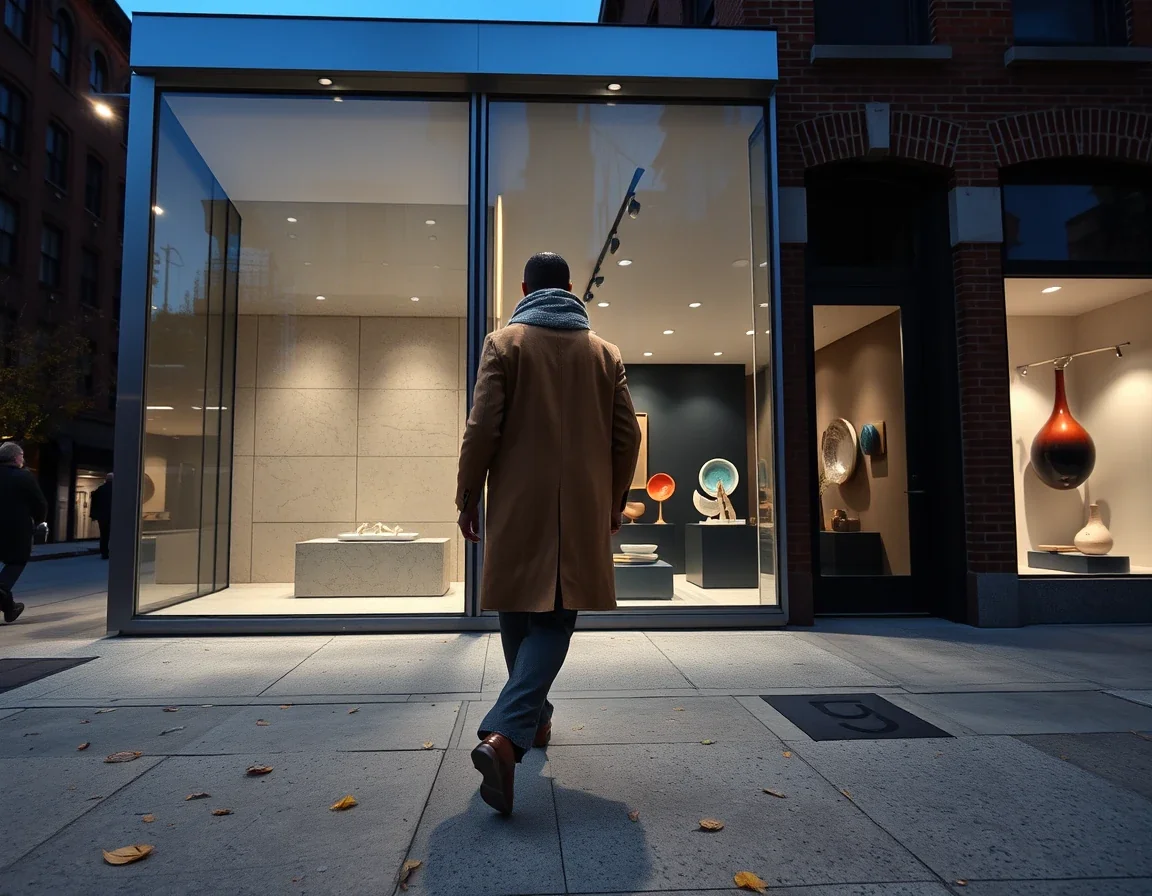
Independent bookstores in Washington, DC function as nonpartisan public squares where journalists, voting rights advocates, and residents examine regional governance. Daily author panels and film discussions turn abstract legislation into actionable local strategy for attendees across all eight wards.
On Georgia Avenue NW across from Howard University, Sankofa Video, Books & Cafe serves as a vital organizing hub in Pleasant Plains. Independent filmmakers launched the cafe and bookstore to screen documentaries and host community forums examining DC statehood, neighborhood reinvestment, and local political power.
Further northwest at 5015 Connecticut Avenue NW, Politics and Prose has anchored Chevy Chase since 1984. Its basement auditorium draws packed autumn crowds for moderated panels on municipal budgets, judicial appointments, and grassroots organizing, proving that print culture still drives civic participation across the region.
Grassroots Institutions Across the Anacostia River
Public leadership in Southeast Washington operates with a distinct focus on neighborhood self-determination and historical continuity. Residents East of the River built their own cultural infrastructure decades before downtown developers turned their attention toward waterfront parcels and mixed-use zoning changes.
At 1901 Fort Place SE, the Anacostia Community Museum opened in 1967 as the first federally funded community museum in the United States. Staff collaborate directly with Ward 7 and Ward 8 residents, activists, and local officials to mount free rotating exhibitions examining urban life and grassroots leadership.
Rather than treating community history as a static display, the museum documents active neighborhood leadership in real time. Readers looking to explore more community-driven spaces across the District will find that Southeast institutions set the standard for authentic local stewardship.
Why Does Community Archiving Matter for Regional Governance?
Community archiving preserves the legal precedents, grassroots coalitions, and neighborhood records that guide contemporary municipal decision-making. Without accessible local archives, new residents, journalists, and policymakers risk repeating past urban planning and public education mistakes across Washington, DC.
Inside the historic Carnegie Library at 801 K Street NW, the DC History Center protects that institutional memory in Mount Vernon Square. Its Kiplinger Research Library provides free public access to maps, municipal records, and photographs documenting the city’s physical and political evolution.
Exhibitions such as Class Action highlight the teachers, principals, parents, and community advocates who fought to strengthen District public schools. Those detailed records demonstrate how sustained civic pressure reshapes municipal budgets and school governance long after a single election cycle ends.
Hospitality as Civic Infrastructure in Northern Virginia
Effective public service across the DMV rarely stops at the Potomac River. Across Northern Virginia, longtime business owners provide the physical meeting rooms that sustain charitable boards, neighborhood associations, and mutual aid networks through shifting economic cycles.
In Arlington’s Crystal City neighborhood at 555 23rd Street South, Freddie’s Beach Bar & Restaurant stands as a fixture of inclusive civic life. This LGBTQ+ and straight-friendly establishment regularly hosts local club meetings, philanthropic fundraisers, and community charity events throughout the year.
When small business owners dedicate square footage to neighborhood causes, they create durable social capital that outlasts political campaigns. From Arlington to Anacostia, the region’s most reliable public servants are often the people keeping the doors open and the lights on for everyone else.
Understanding local power in Washington requires looking past federal marble toward the neighborhood corners where residents organize daily life. As the region enters a new civic calendar, these independent institutions remain the true engines of accountable community leadership.
Little Known Fact: When the Carnegie Library opened at Mount Vernon Square in 1903, it served as Washington, DC’s first desegregated public library. Local civic leaders and the Washington Board of Trade secured the grant from industrialist Andrew Carnegie, ensuring free municipal access for all residents regardless of race. (Source: DC History Center)
Curated Literature & Washington DC Downtown Calendar
The Architecture of Focus: Deep Work & Modern Mastery
By Founders Library Press
A structured framework for strategic clarity, productivity, and authentic execution.
Upcoming Downtown Happenings
Live acoustic sessions, gallery receptions, literary salons, and independent trade shows across Washington DC.
