
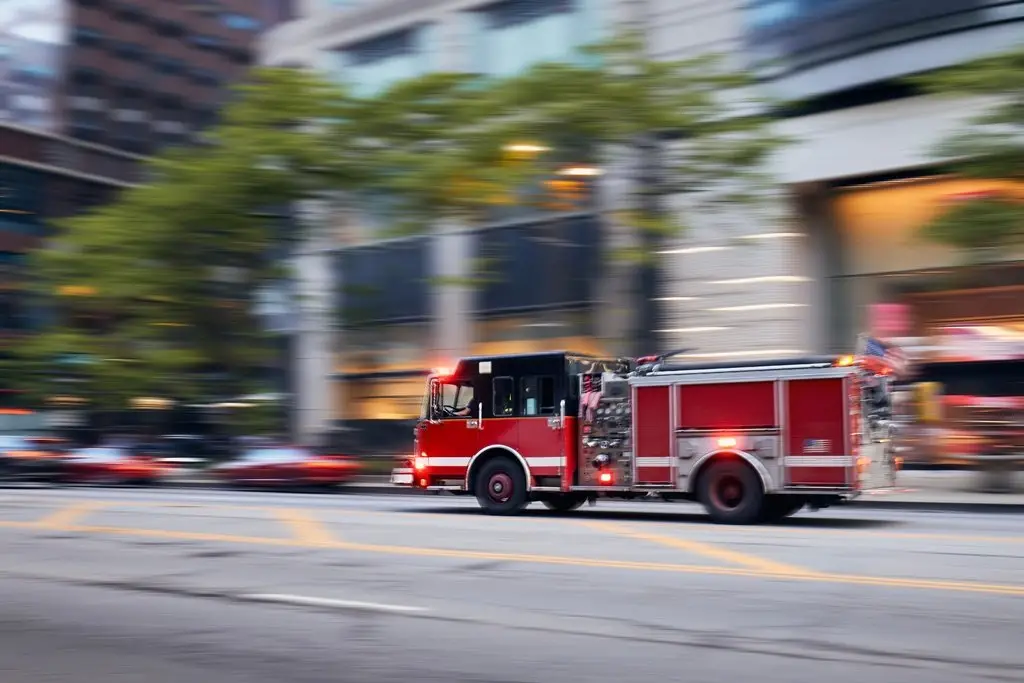
If you’re wondering **what you need to become a Washington DC firefighter**, be prepared for a role far more dynamic than just fires and ladders. In DC Fire and EMS, entry paths are designed for those ready for both fireground work and crucial emergency medical services.
Your Roadmap: **What You Need To Become a Washington DC Firefighter**
DC Fire and EMS generally hires into specific tracks, and your best starting point depends on your current certifications and where you live.
Firefighter/EMT (Common Entry Route)
For many applicants, Firefighter/EMT is the most straightforward option because it aligns with how the department responds day-to-day. You operate as a firefighter and provide emergency medical care at the EMT level when assigned. That means your medical readiness matters just as much as your strength and conditioning. The key is to approach the process like you’re training for a job, not a one-time test.
Firefighter/Paramedic (If You’re Already Certified)
If you already hold paramedic credentials, DC also recruits Firefighter/Paramedics and cross-trains them as dual-role members. This track typically expects National Registry Paramedic credentials, plus life-support certifications. If this is you, your competitive edge is clinical experience.
Fire Cadet Program (For Eligible DC Residents)
If you’re a DC resident in the eligible age range, the Fire Cadet Program can be another pipeline that builds you into a Firefighter/EMT candidate. The cadet process includes an application, written exam, background screening, driving record review, and physical/psychological screening. Requirements can be specific (including DC residency and document verification), so you’ll want to read the current program page carefully when it’s open.
Minimum Requirements You’ll Want Locked in Early
Before you spend months preparing, confirm you meet the baseline requirements to become a DC firefighter:
- Be a United States citizen and be 19 years of age or older at the time of application
- Have a high school diploma or GED
- Have a full driver’s license (provisional licenses are not acceptable)
Those are the basics, but postings can add details depending on the hiring cycle. If you’re applying as a DC resident, make sure you follow the correct posting process, so you don’t accidentally apply under the wrong track.
Understand How the Hiring Process Works
To become a Washington, DC, firefighter, you’ll need to go through the hiring process. While the exact steps can vary by hiring cycle, you can expect a staged process that starts with the official application and moves through testing and screening.
Step 1: Apply Through the Official Portal
DC’s recruitment pages direct applicants to the District’s official application process. This sounds obvious, but it’s where people lose time: using the wrong posting, missing documents, or misunderstanding residency eligibility. Treat your application like a professional submission—clean, accurate, and complete.
Step 2: Entrance Testing and Written Exams
After you apply and meet baseline standards, you may move on to an entrance exam process, depending on the posting. In general, these exams test skills like reading comprehension, decision-making, and job-related judgment. Plan to practice timed testing, not just content. The goal is to show you can think clearly when you’re under pressure.
Step 3: Physical Ability Screening
DCFEMS work is physical, and the hiring process reflects that. Even if you’re already strong, you’ll want conditioning that transfers to moving fast with weight, climbing, carrying, and repeated high-effort bursts. Train for durability, not just max numbers in the gym.
Step 4: Background, Medical, And Psychological Screening
Expect a background screening that looks at your integrity, reliability, and readiness to operate safely in high-stress environments. For cadet applicants, the department specifically calls out criminal background screening, driving record review, and physical/psych screening as part of selection. The simplest way to protect yourself here is to be honest and consistent across every form and interview.
Step 5: Academy Training and Probation
If you’re selected, academy life is where your preparation pays off. They’ll train you to meet operational standards and perform under structure, accountability, and evaluation. Show up ready to learn, make yourself coachable, and commit to working within a team. A strong attitude won’t replace fitness, but it absolutely affects how far your fitness can take you.
EMT Certification In DC: What to Know Before You Commit
Because DC firefighting directly connects to EMS operations, it helps to understand how EMT certification works locally.
National Registry Is a Big Piece of the Puzzle
DC’s EMS certification process connects to National Registry credentials and local requirements through the DC Department of Health. In plain terms, National Registry certification is part of becoming eligible for DC certification, and affiliation with a DC-approved EMS agency is part of eligibility in the process description. That’s why many candidates prioritize an EMT pathway early, even before they feel “ready.”
If You’re Not an EMT Yet, Start with a Simple Plan
Pick a realistic timeline that fits your work and life schedule, then build your weeks around it. Don’t just aim to “get certified”—aim to become competent and calm in basic patient-care situations. Study consistently, practice skills, and take your clinical time seriously.
If You’re Already EMT-Certified, Don’t Coast
Being an EMT is helpful, but it doesn’t replace the other pieces of the hiring process. Keep your documentation habits clean, stay sharp on protocols, and keep your fitness moving forward. If you want to grow into a paramedic later, build a track record of reliability and learning now.
What To Train for Physically
A lot of applicants train like they’re preparing for one brutal day. A better approach is to train like you’re preparing for a career: repeatable effort, good recovery, and steady progression.
Build The “Carry, Climb, Repeat” Engine
One of the keys to developing firefighter fitness is maximum power. Focus on the basics that match real demands: strong legs and hips, grip and upper back strength, and the conditioning to recover quickly between efforts.
Rucking or weighted stair work can be a practical way to build job-specific stamina. Add loaded carries, sled-style pushes/pulls if available, and interval conditioning so you can work hard and then recover. Most importantly, increase volume slowly to avoid injury.
Don’t Ignore Mobility and Heat Readiness
Stiff ankles, tight hips, and a cranky back are common failure points when intensity rises. Build mobility into your warm-ups and cool-downs so you can keep training week after week. Also train smart when it’s hot: hydrate, pace, and learn how your body responds to sustained exertion. You’re trying to become harder to break, not just tougher for one day.
Next Steps: Turn Interest into a Real Plan
Understanding precisely **what you need to become a Washington DC firefighter** involves knowing the varied entry routes available through DC Fire and EMS.
From physical fitness standards to educational prerequisites, this article details **what you need to become a Washington DC firefighter** successfully.
Start by confirming you meet the minimum qualifications on DC’s recruitment site, then choose the track that matches your current certifications. From there, build a 90-day plan that covers fitness, testing preparation, and EMT readiness if necessary. If you want to stay plugged in to openings, DC Fire and EMS also posts current employment positions and interest options on its site.
Curated Literature & Washington DC Downtown Calendar
The Architecture of Focus: Deep Work & Modern Mastery
By Founders Library Press
A structured framework for strategic clarity, productivity, and authentic execution.
Upcoming Downtown Happenings
Live acoustic sessions, gallery receptions, literary salons, and independent trade shows across Washington DC.
