
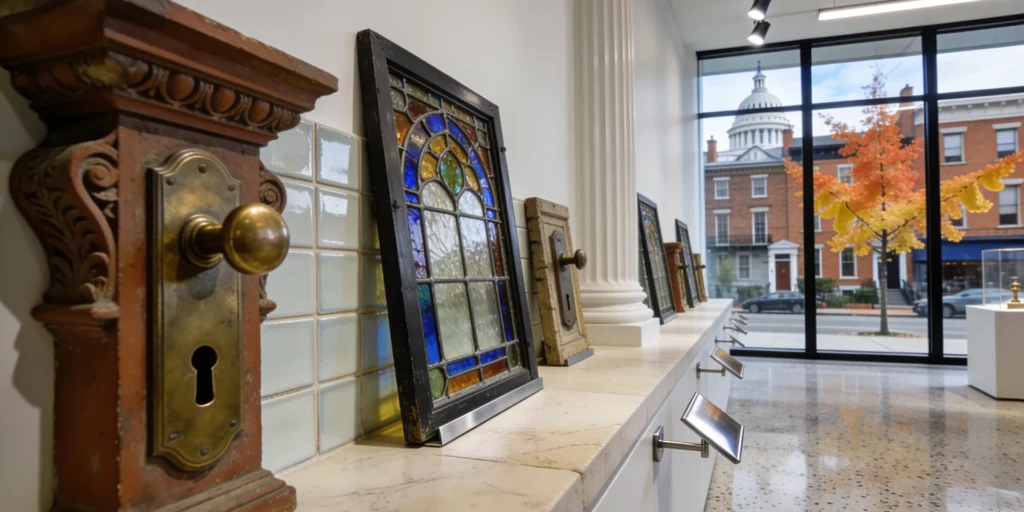
Capitol Hill’s historic homes and the craftspeople who maintain them rely on specialized preservation trades, salvaged architectural hardware, and traditional millwork to protect 19th-century brick rowhouses. On crisp autumn afternoons, amber ginkgo leaves settle along brick sidewalks while woodworkers, masons, and glaziers keep Washington’s oldest residential blocks standing.
From Italianate cornices to Victorian bay fronts, these residences demand far more than standard modern renovations. Homeowners across the neighborhood partner with regional specialists who understand lime mortar, old-growth pine, and wavy cylinder glass. Preserving that architectural warmth requires patience, technical skill, and reliable local suppliers.
How do Capitol Hill homeowners preserve original historic windows and woodwork?
Homeowners preserve original woodwork by partnering with specialized architectural millwork shops that repair mortise-and-tenon joinery rather than replacing frames with vinyl. Regional fabricators replicate historic profiles in old-growth wood and restore leaded glass to meet strict district preservation standards.
Just across the District line in Brentwood, Maryland, The Craftsmen Group operates a 30,000-square-foot architectural millwork and restoration facility on Perry Street. Their woodworkers and glaziers restore historic wood windows, paneled doors, shutters, and stained glass for private residences and major neighborhood landmarks, including Eastern Market and the Cannon House Office Building.
Proper sash restoration involves stripping failing paint layers, replacing frayed cotton sash cords, and glazing glass panes with linseed-oil putty. When twilight temperatures dip into the 50s each October, tightly fitted wood storm windows seal out drafts without erasing a facade’s original proportions.
Where do local craftspeople source authentic hardware and tools?
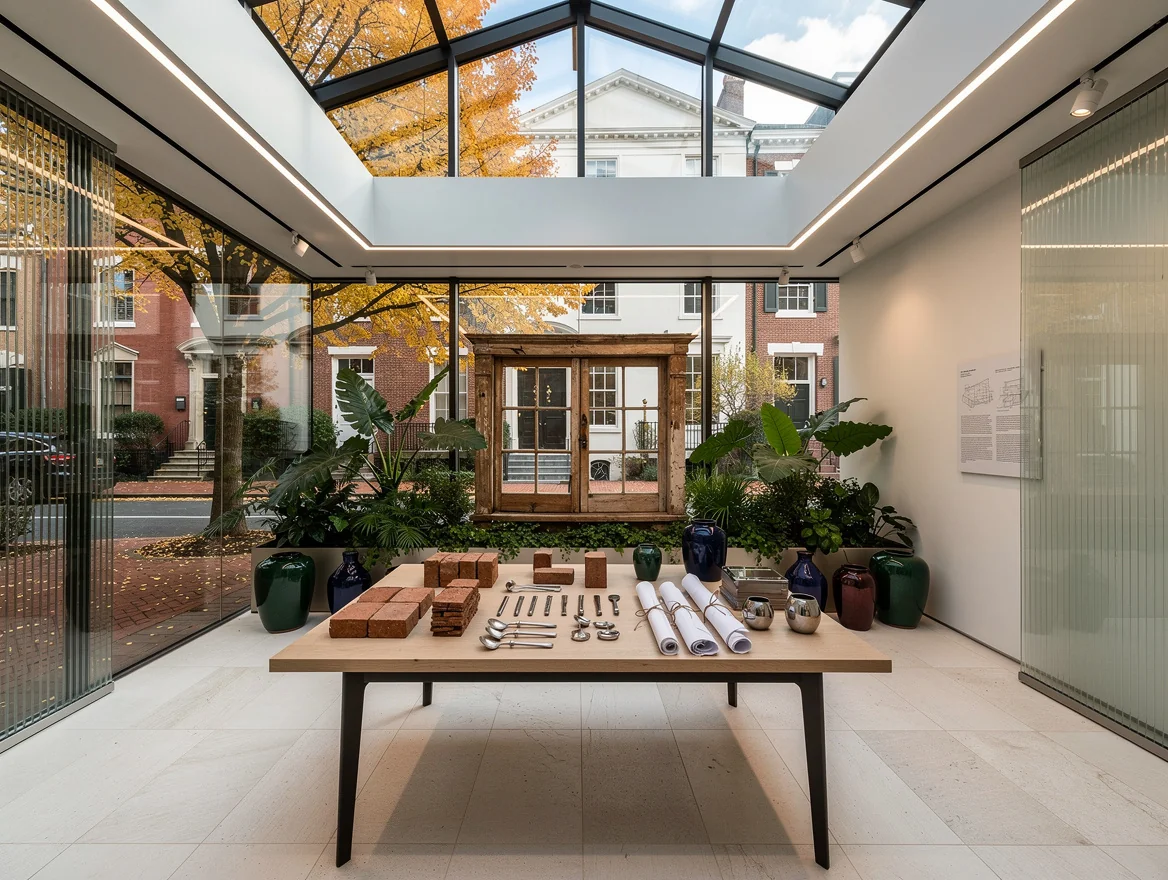
Local craftspeople source authentic hardware and specialized tools from long-standing Washington hardware institutions and regional architectural salvage warehouses. These suppliers stock traditional woodworking implements, period-accurate brass fittings, and high-grade exterior coatings formulated for historic masonry and timber.
Along Pennsylvania Avenue SE, Frager’s Hardware has anchored Capitol Hill’s home improvement landscape since 1920. Carpenters, painters, and weekend restorers rely on its Benjamin Moore paint shop and full-service tool rental counter for heavy sanders, masonry drills, and breathable exterior primers.
Further northeast in Trinidad, W.S. Jenks & Son carries on a legacy dating back to 1866 as Washington’s oldest hardware store. Inside the Bladensburg Road NE showroom, tradespeople browse more than 100,000 items, ranging from Japanese chisels and cabinetmakers’ planes to heavy-duty contractor supplies.
Salvaging History Across the Maryland Line
Replacing a cracked newel post or missing cast-iron register often sends preservationists toward Edmonston, Maryland. There, Community Forklift operates a nonprofit reuse warehouse on Tanglewood Drive filled with reclaimed lumber, vintage lighting, and salvaged architectural hardware from historic DMV structures.
Walking its aisles yields solid brass mortise locks, heart-pine floorboards, and fluted molding profiles that modern lumberyards no longer mill. This philanthropic reuse model keeps durable building materials out of landfills while giving local homeowners authentic components that match a 1905 interior.
Matching grain patterns and patina turns a repair into a natural extension of the original floor plan. Readers exploring broader architectural restoration across Washington neighborhoods often discover that salvaged materials outperform newly manufactured substitutes in density and stability.
What guidance helps residents plan strategic historic home repairs?
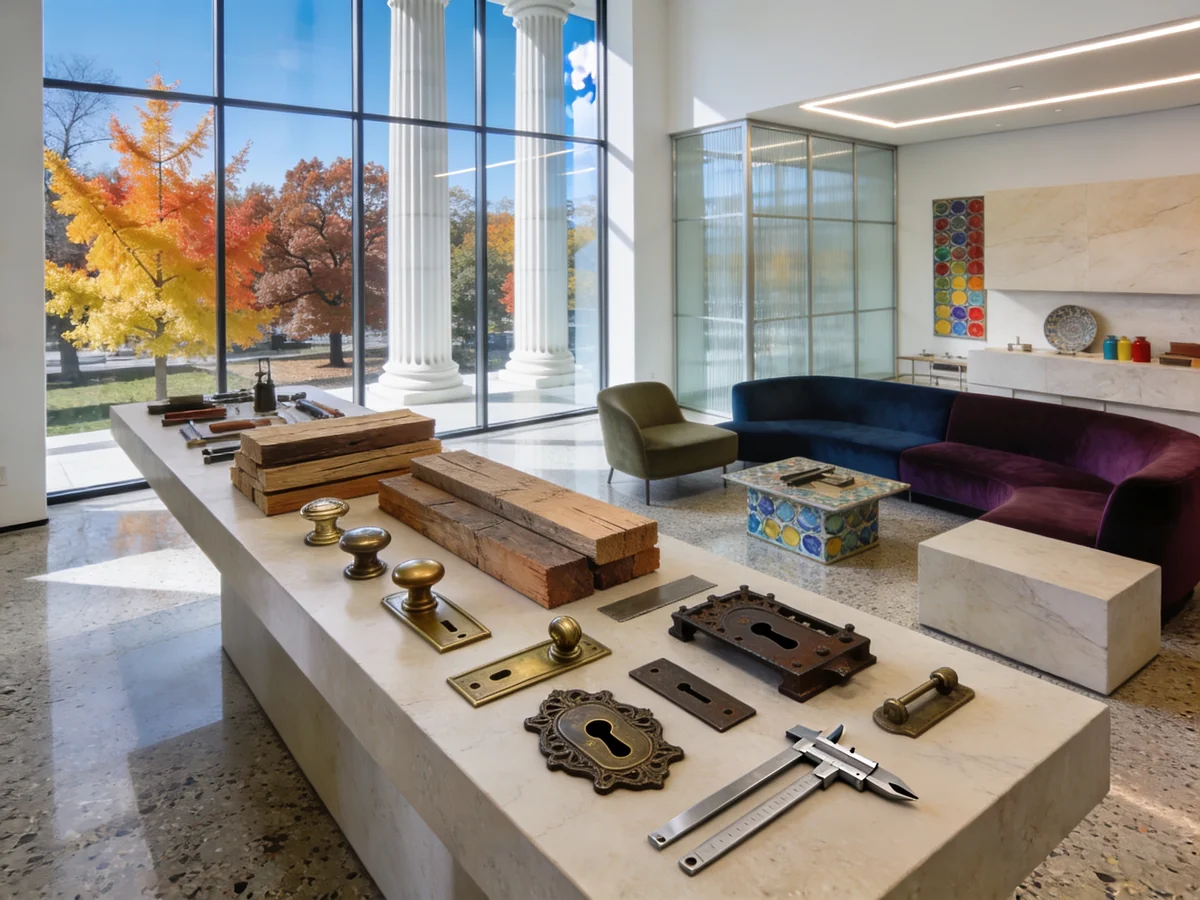
Residents plan strategic repairs by consulting neighborhood preservation societies and attending regional architectural exhibitions before hiring contractors. These local organizations publish technical maintenance guides, connect homeowners with vetted tradespeople, and host annual expos dedicated to historic building care.
Based on Tenth Street SE, the Capitol Hill Restoration Society serves as a vital resource for stewards of older properties. Its annual House Expo at Eastern Market pairs residents directly with local masons, roofers, and window specialists, alongside publishing detailed guidelines for maintaining historic facades.
In Penn Quarter, the National Building Museum deepens public appreciation for traditional building trades. Through ongoing exhibitions, public lectures, and historic tours inside its monumental F Street NW hall, the institution illuminates the engineering and handcraft behind Washington’s enduring streetscapes.
Protecting Washington’s Residential Craftsmanship
Maintaining a century-old rowhouse requires a strategic mindset that values longevity over speed. Instead of tearing out plaster walls or covering original brick with synthetic cladding, Capitol Hill homeowners invest in lime repointing, slate roof inspections, and skilled cabinetmaking.
These deliberate choices sustain a local economy of independent artisans, family-run hardware counters, and regional workshops across DC and Maryland. As cool autumn evenings settle over the neighborhood, warm interior light glows through restored wavy glass, reflecting the quiet dedication of the craftspeople keeping history livable.
Curated Literature & Washington DC Downtown Calendar
The Architecture of Focus: Deep Work & Modern Mastery
By Founders Library Press
A structured framework for strategic clarity, productivity, and authentic execution.
Upcoming Downtown Happenings
Live acoustic sessions, gallery receptions, literary salons, and independent trade shows across Washington DC.
