
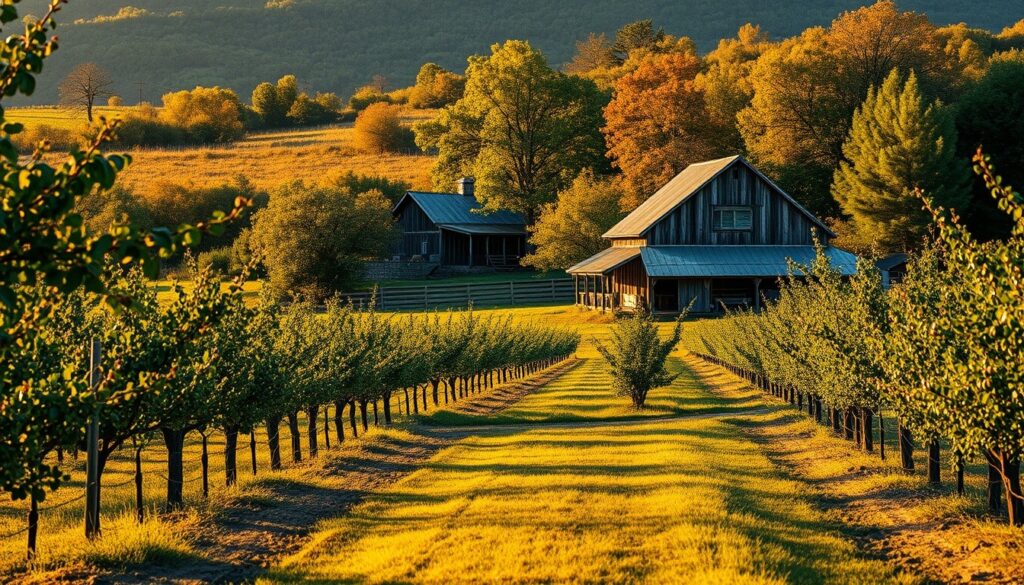
Reclaiming Eden: Cultivating Heritage Orchards & Soil Alchemy in Your DC & DMV Garden
In the bustling heart of Washington D.C. and its verdant DMV surroundings, a quiet revolution is taking root. Far from the polished facades of federal buildings, a movement to reconnect with the land’s ancient wisdom is inspiring local residents to transform their backyards into living legacies. This isn’t just about growing food; it’s about resurrecting a forgotten art, a self-sustaining philosophy deeply embedded in America’s agricultural past. Drawing inspiration from “The Lost American Farmstead: The Definitive Guide to Heritage Orchards, Soil Alchemy, & Self-Sustaining Agriculture,” we delve into how you, too, can cultivate a piece of living history right here in our unique microclimate.
The DMV region, with its diverse geography spanning the Coastal Plain and the Piedmont, and its temperate USDA Plant Hardiness Zones (primarily 7a in D.C. itself, extending to 6b-7b in surrounding areas), offers an exceptional canvas for heritage orchards. Imagine the historic estates like Mount Vernon, where George Washington himself experimented with innovative agricultural practices, boasting orchards that fed his household and community. These historical blueprints provide a powerful testament to what’s possible, even on a smaller scale, when we embrace the principles of nature and time-honored wisdom.
The Lure of Legacy Fruit: Why Heirloom Matters Here
Before the industrialization of agriculture, thousands of fruit varieties thrived, each uniquely adapted to local conditions, boasting distinct flavors, disease resistance, and cultural significance. These are our heritage fruits – apples like the ‘Albemarle Pippin’ (a favorite of Thomas Jefferson), pears, peaches, and cherries that once graced our ancestors’ tables. For the DC and DMV gardener, choosing heritage varieties isn’t just a nod to history; it’s a strategic move. Many heirloom trees are more resilient to local pests and diseases, often requiring less intervention than modern, monoculture-bred counterparts.
Consider the ‘Pawpaw’ (Asimina triloba), North America’s largest native edible fruit, thriving naturally along the Potomac River. Or seek out ‘Magnum Bonum’ apples, a Southern favorite well-suited to our longer growing season. The first step in establishing your heritage orchard is thoughtful selection, understanding that each tree is a long-term investment. Research local nurseries that specialize in heirloom stock or connect with regional scion exchanges. The USDA Plant Hardiness Zone Map is your essential guide to understanding what thrives best in your specific locality.
Actionable advice: Begin by assessing your sunlight, space, and soil. Choose 2-3 varieties that excite you and are known to perform well in zones 6b-7b. Look for disease-resistant cultivars and consider self-pollinating options or planting compatible partners for cross-pollination. A small diagram might illustrate common heritage fruit pairings suitable for our region, such as ‘Liberty’ apple with ‘Enterprise’ for disease resistance and pollination synergy.
Soil Alchemy: The Living Foundation of Abundance
At the heart of any self-sustaining farmstead, ancient or modern, lies the profound understanding of soil as a living entity. “Soil alchemy” is the transformative process of nurturing this ecosystem, turning inert earth into a vibrant medium teeming with microbial life. For generations, farmers understood that healthy soil equated to healthy plants, reducing the need for external inputs. This principle is paramount for heritage orchards in the DMV, where urban development often leaves behind compacted, depleted soils.
The core tenets of soil alchemy involve enriching your soil through organic matter, fostering a robust soil food web, and minimizing disturbance. This means embracing composting, cover cropping, and a no-till approach. Start a composting system using kitchen scraps and yard waste; this goldmine of organic material slowly releases nutrients and improves soil structure. Cover crops like clover or buckwheat, planted between or around your young trees, suppress weeds, prevent erosion, and fix nitrogen, enhancing fertility naturally. Imagine a cross-section diagram of healthy soil, showcasing intricate root systems, beneficial fungi (mycorrhizae), and earthworms all working in concert.
Actionable advice: Get a professional soil test to understand your baseline. Amend heavy clay or sandy soils with generous amounts of compost. Implement a ‘chop-and-drop’ method for fallen leaves and pruning debris, allowing them to decompose naturally in situ, mimicking forest floor dynamics. This ‘feed the soil, not the plant’ philosophy reduces reliance on synthetic fertilizers, saving you money and protecting the Chesapeake Bay watershed.
Designing Your Productive Paradise: Beyond the Grid
A true heritage orchard isn’t just rows of trees; it’s a dynamic, integrated ecosystem designed for efficiency and resilience. This approach, often informed by permaculture principles, moves beyond conventional straight-line planting to create guilds of mutually beneficial plants. Think of the historical “forest gardens” – diverse layers of fruit trees, berry bushes, herbs, and groundcovers that support each other and maximize productivity within a given space.
For the DC and DMV gardener, this means strategically placing plants to optimize sunlight, water, and nutrient cycling. Consider implementing swales – shallow ditches on contour – to capture and slowly release rainwater, a critical resource during our humid summers and occasional dry spells. Rain gardens, planted with native species, can similarly manage stormwater runoff, benefiting your orchard and local water systems. Companion planting, like nasturtiums to deter aphids or comfrey to accumulate nutrients, fosters a healthy environment. The National Park Service Historic Preservation resources often touch upon landscape design principles that can inspire such thoughtful integration.
Actionable advice: Sketch out your garden space, noting sun paths and water flow. Plan your orchard with a diverse understory of edible and beneficial plants. For example, a young apple tree could be underplanted with strawberries (groundcover), chives (pest deterrent), and calendula (attracts beneficials). This multi-layered approach boosts biodiversity and creates a more robust, self-regulating system.
Guardians of the Grove: Natural Pest & Disease Management
The self-sustaining farmstead, by its very definition, minimizes the need for external interventions, especially chemical pesticides. This doesn’t mean ignoring pests and diseases; rather, it means building an ecosystem resilient enough to manage them naturally. The historical record, as seen in archives like the National Archives on Agriculture, reveals a long tradition of ingenuity in working with nature, not against it.
The key here is biodiversity. A diverse orchard and garden attract a wide array of beneficial insects – ladybugs to munch on aphids, lacewings to devour various soft-bodied pests, and predatory wasps to control caterpillars. Planting flowering herbs and native wildflowers among your fruit trees provides habitat and nectar for these natural allies. Healthy soil, as discussed earlier, also plays a crucial role, as vigorous trees are inherently more resistant to disease.
Actionable advice: Integrate an ‘insectary’ patch into your orchard design – areas dedicated to plants like dill, fennel, cilantro, and cosmos that attract beneficial insects. Learn to identify common pests and their natural predators. Practice vigilant observation, removing affected leaves or branches promptly. For specific challenges, research organic solutions like neem oil or dormant oil sprays, applied judiciously and only when necessary, to preserve the natural balance.
Unlock Deeper Wisdom: This feature article is proudly inspired by the groundbreaking research in The Lost American Farmstead: The Definitive Guide to Heritage Orchards, Soil Alchemy, & Self-Sustaining Agriculture. For comprehensive blueprints and expert guidance, purchase the hardcover edition today and enroll in the companion masterclass on TodaysCourse.
Your DMV Legacy: A Garden That Gives Back
Cultivating a heritage orchard in your DC or DMV garden is more than just a hobby; it’s an act of environmental stewardship, a connection to history, and a gift to future generations. You’re not just growing food; you’re preserving rare genetics, fostering biodiversity, and enhancing the local ecosystem. Each heirloom apple or pawpaw harvested from your backyard tells a story, a testament to resilience and the timeless wisdom of the land.
Embracing these principles from “The Lost American Farmstead” transforms your garden into a thriving, self-sustaining micro-ecosystem, a personal Eden that reflects the rich agricultural heritage of our nation, rooted firmly in the present and blooming for the future. Start small, observe, learn, and let your DC or DMV garden become a beacon of sustainable abundance and a testament to the enduring power of nature’s alchemy.
Deepen Your Mastery: The Complete Reference Suite
This research is derived from the definitive edition of The Lost American Farmstead: The Definitive Guide to Heritage Orchards, Soil Alchemy, & Self-Sustaining Agriculture, published by Mestizo Media Group and available for $19.99 on the DC Life Gallery Store and major booksellers.
To access the accompanying 5-module video masterclass, student field worksheets, and soil chemistry blueprints, enroll in the companion course on TodaysCourse Academy.
Curated Literature & Washington DC Downtown Calendar
The Architecture of Focus: Deep Work & Modern Mastery
By Founders Library Press
A structured framework for strategic clarity, productivity, and authentic execution.
Upcoming Downtown Happenings
Live acoustic sessions, gallery receptions, literary salons, and independent trade shows across Washington DC.
