
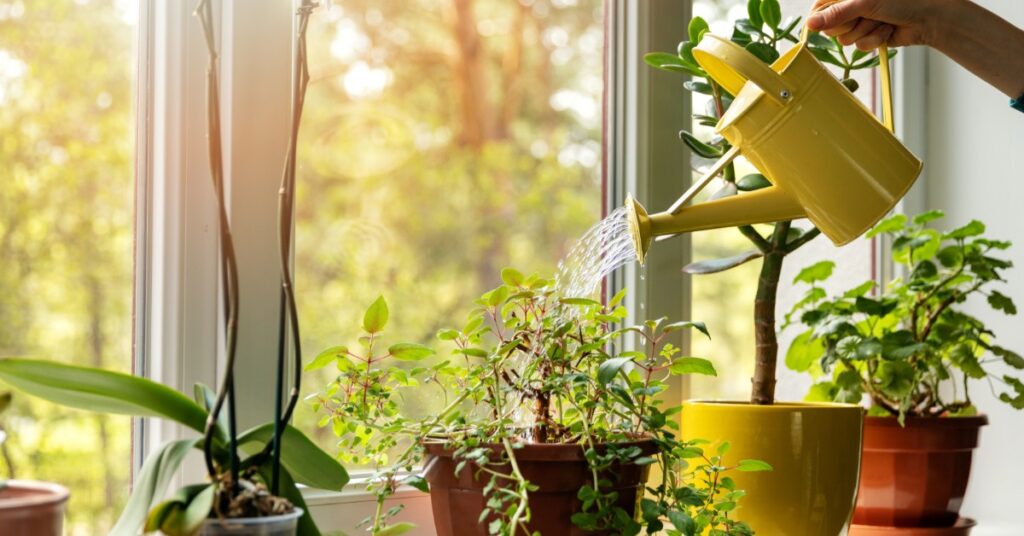
Indoor gardening makes it easy to bring greenery into your home, even without a backyard. Growing indoor plants in small spaces helps create a calm and inviting atmosphere in apartments, dorms, or compact homes. With a thoughtful setup, you can enjoy a variety of plants while making the most of limited room. Success comes from understanding your space and giving your plants the care they need to thrive.
Choose Plants That Match Your Space
The first step toward a successful indoor garden involves selecting plants that fit your available area. Compact varieties naturally adapt to shelves, windowsills, countertops, or narrow corners. Herbs such as basil, parsley, and thyme thrive in small containers, while leafy greens grow well in shallow planters. Succulents and pothos also perform well indoors because they tolerate smaller growing areas.
Pay attention to the mature size instead of the plant’s appearance at purchase. A tiny seedling may eventually require far more room than you can provide. Reading plant labels helps you avoid overcrowding and gives each plant enough room to flourish.
Think about how each plant grows throughout the year. Some spread outward while others grow upward, allowing you to use vertical space more efficiently.
Make the Most of Available Light
Light plays a major role in healthy plant development. South-facing windows often provide the strongest natural light, while east-facing windows offer gentle morning sun that suits many houseplants. If your home receives limited sunlight, artificial grow lights provide an excellent alternative.
Position lights at the appropriate distance above the plants so leaves receive even coverage without overheating. Timers simplify the process by maintaining a consistent lighting schedule every day.
Rotate containers regularly so every side of the plant receives equal exposure. This simple habit encourages balanced growth and prevents plants from leaning toward a single light source.
Maximize Vertical Growing Areas
Small homes benefit from creative use of wall space instead of relying only on floors or tables. Mounted shelves allow multiple plants to receive sunlight while leaving valuable living space available. Hanging baskets also lift trailing plants into unused areas near windows.
Tall plant stands create several growing levels without increasing the overall footprint. Corner shelving units transform overlooked spaces into attractive indoor gardens while displaying different plant varieties.
Window-mounted shelves provide another excellent option because they place plants close to natural sunlight without taking up countertops. These solutions keep your home organized while increasing growing capacity.
Select the Right Containers
Container choice affects both plant health and available space. Lightweight pots work well on shelves, while self-watering containers reduce maintenance for busy households. Drainage holes remain essential because excess water can damage roots.
Choose containers that match the plant’s mature root system instead of selecting oversized pots. Large containers hold more moisture than smaller plants need, increasing the chance of root problems.
Decorative planters also contribute to your home’s appearance. Coordinating colors and materials creates a polished display that blends naturally with your existing décor.
Maintain Proper Watering Habits
Indoor plants require consistent watering rather than frequent watering. Check soil moisture before adding water because every plant has different needs. Many common houseplants perform best when the upper layer of soil dries slightly between waterings.
Water slowly until moisture drains through the bottom of the container. Empty collection trays afterward so roots do not remain submerged.
Humidity also affects indoor gardens, especially during winter when heating systems dry the air. A small humidifier or pebble tray can improve growing conditions for moisture-loving plants without requiring extensive maintenance.

Consider Hydroponic Systems
Compact hydroponic systems provide another option for indoor gardeners who want fresh herbs or vegetables without traditional soil. Many countertop units fit neatly into kitchens while supplying consistent water and nutrients directly to plant roots.
The benefits of hydroponic farming include cleaner growing conditions, efficient water use, and faster plant development under proper care. Small hydroponic gardens also reduce mess because they eliminate bags of potting soil inside the home. Beginners can start with simple countertop systems before expanding into larger indoor gardens if additional growing space becomes available.
Feed Plants for Healthy Growth
Plants gradually use nutrients stored in their growing medium, making regular fertilization important. Select a fertilizer designed for your specific plant type and follow the recommended application schedule.
Too much fertilizer causes more problems than too little. Excess nutrients may damage roots or encourage weak growth. Applying moderate amounts during active growing seasons usually produces better long-term results.
Watch your plants closely for signs of nutrient deficiencies, including pale leaves or slower growth. Prompt adjustments help restore healthy development before problems become severe.
Prevent Common Indoor Plant Problems
Healthy plants resist many common issues when they receive proper care. Inspect leaves regularly for discoloration, insects, or damaged stems. Catching problems early makes treatment easier and prevents pests from spreading.
Avoid overcrowding containers because restricted airflow creates favorable conditions for disease. Prune dead leaves promptly to improve appearance while encouraging fresh growth.
Clean plant leaves occasionally with a damp cloth to remove dust that blocks sunlight. Cleaner foliage allows plants to absorb light more effectively while keeping your indoor garden looking vibrant.
Create a Routine That Fits Your Lifestyle
Consistency produces better results than complicated care routines. Set aside a few minutes each week to inspect plants, check soil moisture, trim damaged leaves, and rotate containers. These simple habits help prevent larger problems while making plant care feel manageable.
Keep basic supplies together so routine maintenance remains convenient. Watering cans, fertilizer, pruning scissors, and cleaning cloths stay within easy reach when stored in one location.
As your confidence grows, gradually introduce new plant varieties that match your home’s conditions. Expanding slowly allows you to gain experience without becoming overwhelmed.
Grow More With Less Space
Indoor gardening proves that limited square footage does not prevent beautiful, productive plants. Growing indoor plants in small spaces becomes much easier when you choose appropriate varieties, maximize available light, and establish consistent care habits. By using vertical space wisely and choosing containers that suit your home, you can create a thriving indoor garden. This approach adds beauty while providing fresh herbs, vegetables, or decorative greenery throughout the year.
Curated Literature & Washington DC Downtown Calendar
The Architecture of Focus: Deep Work & Modern Mastery
By Founders Library Press
A structured framework for strategic clarity, productivity, and authentic execution.
Upcoming Downtown Happenings
Live acoustic sessions, gallery receptions, literary salons, and independent trade shows across Washington DC.

