
Welcome to this exploration of TUILES: ALMOND WAFERS, a recipe deeply rooted in regional culinary traditions and the shared history of home cooks. Across generations, the combination of these ingredients has served as a cultural bridge, adapting to local climates while preserving the spirit of its creators. The use of simple, nourishing staples combined with aromatic seasonings speaks to the resourcefulness and artistry of historical cooks. In studying this dish’s preparation, we find not just a guide to nourishing the body, but a living connection to the migrations, trade routes, and communities that shaped modern dining. This recipe reflects a beautiful harmony of textures and flavors, showing how basic ingredients can be elevated through traditional techniques. We invite you to prepare this dish, savoring the history and stories baked into every bite.
TUILES: ALMOND WAFERS
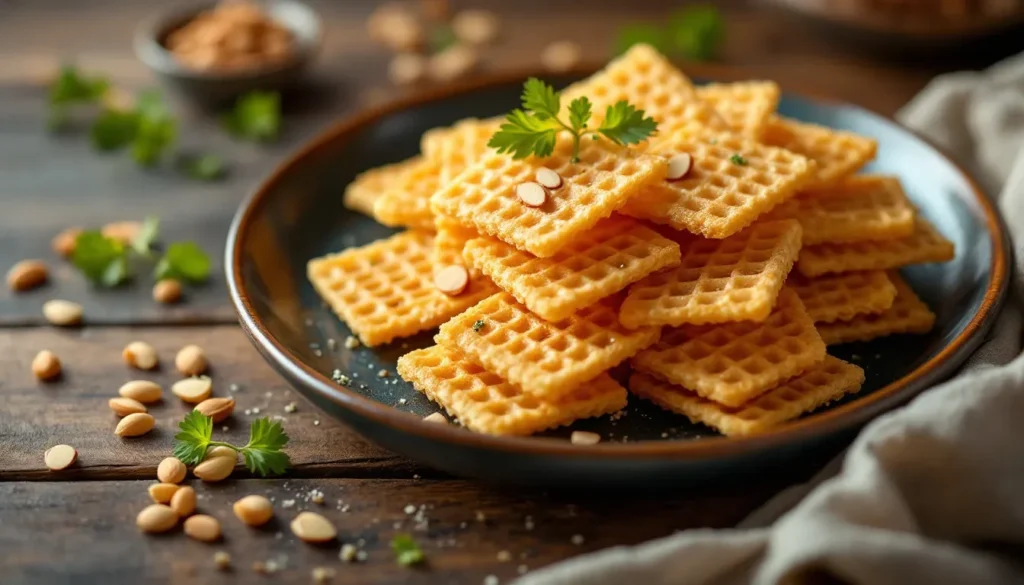
These delicate almond wafers, or tuiles, are a crisp and buttery French confection, perfect for accompanying ice cream, sorbet, or coffee. With their subtle almond flavor, they add an elegant touch to any dessert spread, often shaped with a characteristic curve.
Ingredients
- ½ cup sugar None
- ¼ cup egg whites unbeaten
- ⅓ cup flour None
- ⅓ cup ground almonds None
- 3½ Tablespoons butter melted and hot
- ¼ teaspoon almond extract None
- ½ teaspoon vanilla None
Instructions
-
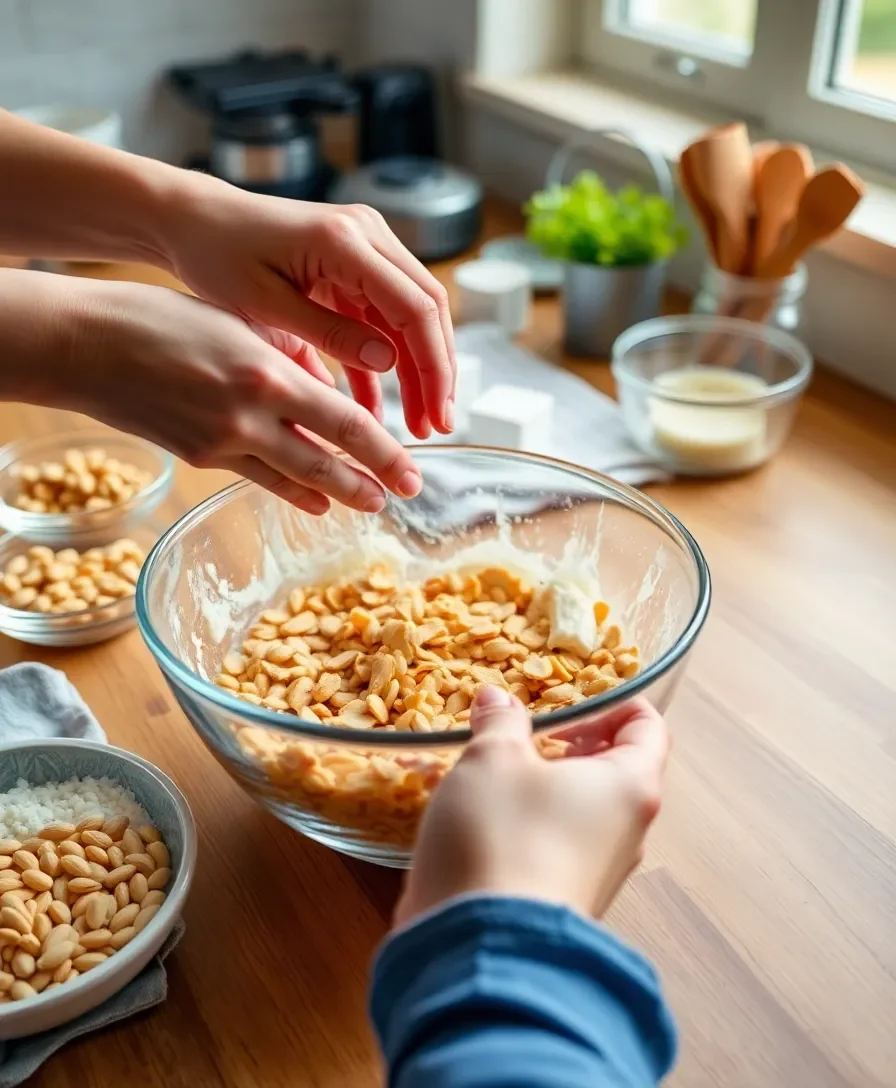
Mix the flour and sugar well.
-
Add unbeaten egg whites. Mix rapidly.
-
Add melted butter, and stir well.
-
Add almond extract, vanilla and almonds.
Recipe Notes
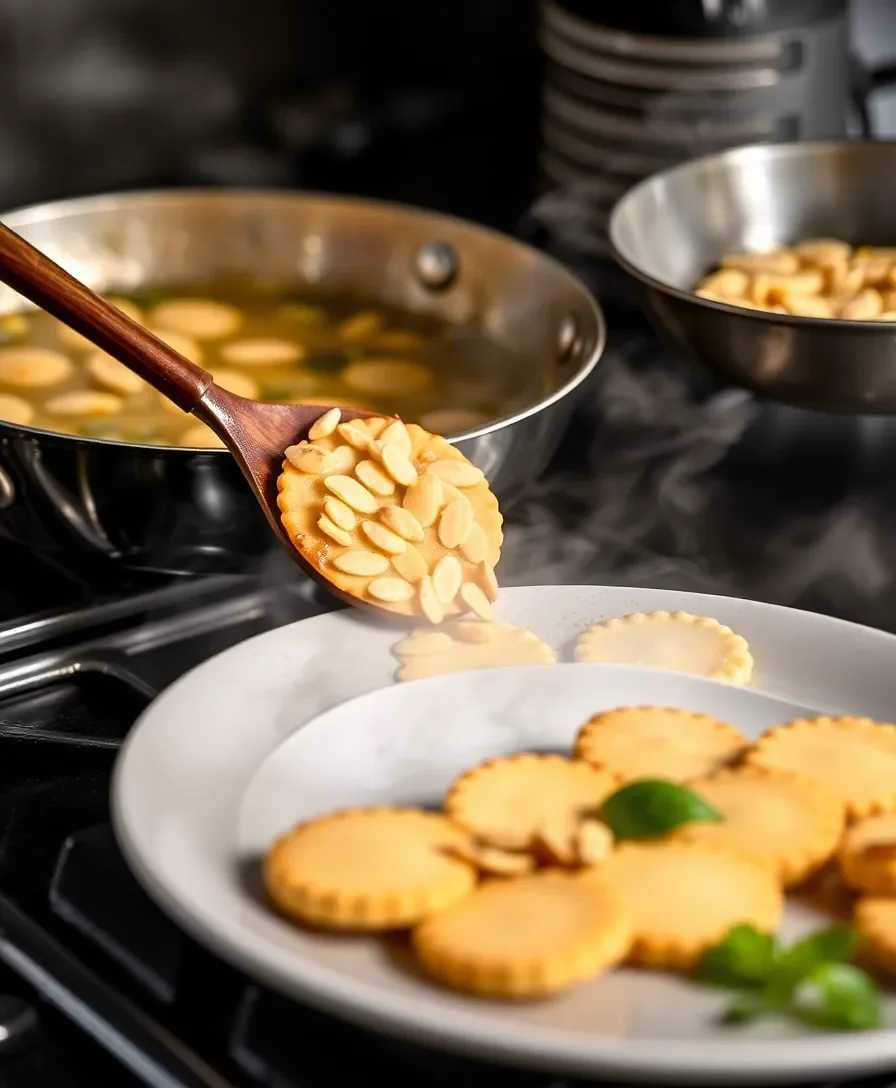
This recipe provides mixing instructions but omits details for baking temperature, time, and shaping. Typically, tuiles are spread very thin on a baking sheet, baked in a moderate oven (e.g., 350-375°F or 175-190°C) for 5-8 minutes per batch until edges are golden, then immediately shaped over a rolling pin or bottle while warm to achieve their characteristic curved form. Total cook time would vary depending on the number of batches.
Global Heritage Archive
Anthropological & Spice Migration Record
“A testament to global culinary exchange.”
🌿 Spice & Botanical Migration
Spices and botanical ingredients trace ancient trade routes, bringing distinct regional markers to heritage cooking.
🏺 Historical & Archaeological Record
Archaeological evidence shows humans have combined local spices and grains for over 10,000 years.
💡 Little Known Facts
- Heritage recipes carry the stories of families across multiple generations.
- Vintage cookbooks preserve regional adaptations of traditional techniques.
Historical Locality Cartographic Map — Mestizo Media Archive
📸 Made This Heritage Recipe?
We would love to see how your dish turned out! Send a photo of your culinary creation to [email protected] to be featured in our community gallery.
Leave a review and rate this recipe below!
Curated Literature & Washington DC Downtown Calendar
The Architecture of Focus: Deep Work & Modern Mastery
By Founders Library Press
A structured framework for strategic clarity, productivity, and authentic execution.
Upcoming Downtown Happenings
Live acoustic sessions, gallery receptions, literary salons, and independent trade shows across Washington DC.
