
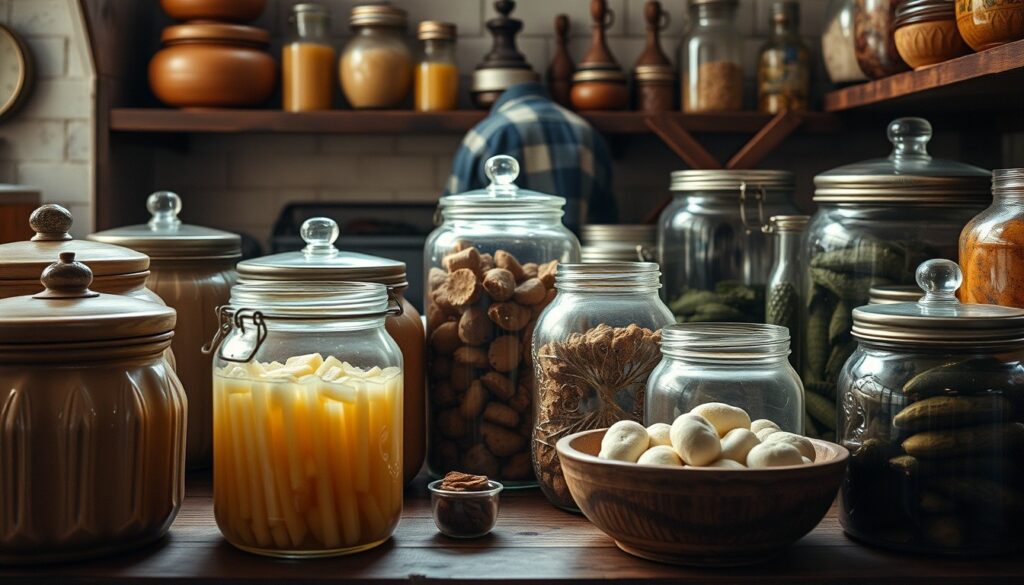
Taste the Past: DC’s Heritage Fermentation Revival for Your Modern Kitchen
In a city defined by innovation and constant change, there’s a quiet revolution simmering beneath the surface – a return to the foundational practices of our forebears. Washington D.C. and the broader DMV area, rich with history and unique agricultural legacies, are perfectly poised to rediscover the transformative power of fermentation. Before refrigeration became ubiquitous, preserving food was an art form, a critical skill passed down through generations. Today, thanks to authoritative research, we’re unearthing these ‘kitchen chemistry’ secrets, making them accessible and exciting for the modern home chef.
From the storied estates of Mount Vernon to the vibrant farmers’ markets of Dupont Circle, the principles of wild fermentation offer a direct link to the ingenuity of early American homesteads. Our guide, drawn from the comprehensive insights of The Master Fermenter: Heritage American Kitchen Chemistry, Wild Fermentation, & Culinary Microbiology, will take you on a journey through time and taste, showing you how to harness the living magic of microbes in your own DC kitchen.
The Terroir of the DMV: Where History Meets Microbes
The Mid-Atlantic region boasts a distinct microclimate that historically shaped its agriculture and, by extension, its food preservation methods. Our humid summers and distinct four seasons create a dynamic environment for microbial activity. Think of the Potomac’s fertile floodplains or the rolling hills of Loudoun County – these were once, and still are, sources of abundant seasonal produce that demanded preservation before modern techniques.
Understanding your local ecosystem is the first step in successful wild fermentation. The microorganisms naturally present on local produce and in the air of the DMV are your invisible partners. Engaging with local farmers at markets isn’t just about fresh ingredients; it’s about connecting with the very microbial communities unique to our region.
Historically, federal institutions played a pivotal role in understanding and promoting agricultural best practices. The United States Department of Agriculture (USDA), for instance, has decades of archived research on food preservation, crop science, and soil health – all foundational to traditional fermentation. Their early bulletins provided essential guidance to American families on making the most of their harvests.
Blueprints from the Past: Reviving Heritage Brines & Starters
The heart of heritage fermentation lies in simple, time-tested methods for creating vibrant, living foods. Our ancestors didn’t have complex lab equipment; they relied on observation, experience, and the natural world. Here are two foundational blueprints to get you started:
Blueprint 1: The Simple Salt Brine (Lacto-Fermentation Basics)
This is the gateway to making your own sauerkraut, kimchi, or fermented pickles. Lacto-fermentation uses salt to inhibit spoilage bacteria, allowing beneficial lactic acid bacteria (LAB) to thrive, converting sugars into lactic acid that preserves food and imparts a tangy flavor.
- Ingredients: Fresh, local vegetables (cabbage, cucumbers, carrots), non-iodized salt (kosher, sea salt), filtered water (optional, for full brines).
- Ratio: For dry salting (e.g., sauerkraut), use 2-2.5% salt by weight of vegetables. For a full brine, use 2 tablespoons of salt per quart of water.
- Method: Clean and chop vegetables. For dry salting, massage salt into vegetables until brine forms. Pack tightly into a clean glass jar, ensuring vegetables are submerged under their own brine or added salt water. Use a fermentation weight or a small, clean jar filled with water to keep everything submerged.
- Fermentation: Seal loosely with an airlock lid or burp daily. Ferment at room temperature (ideally 60-75°F / 15-24°C) for 1-3 weeks, tasting periodically.
Historical Insight: Prior to refrigeration, salting and brining were paramount. Sites like National Parks Service articles on 18th-century food preservation illuminate how these techniques sustained communities through harsh winters.
Blueprint 2: Capturing Wild Yeasts (Sourdough & Beverage Starters)
Before commercial yeast, all bread and fermented beverages relied on wild yeasts and bacteria from grain, fruit, and the air. Creating a wild starter is a profound connection to this legacy.
- Ingredients: Organic whole grain flour (rye or whole wheat work best), filtered water. For fruit-based starters, use organic fruit (grapes, apples) and water.
- Method (Sourdough): Combine equal parts flour and water in a jar. Cover loosely. Feed daily by discarding half and adding fresh flour and water. Within 5-10 days, you’ll have a bubbly, active starter ready for baking.
- Method (Fruit Water Kefir/Wine Starter): Macerate organic fruit with sugar and water. Cover loosely and allow wild yeasts to colonize. This can then be used to kickstart natural sodas or low-alcohol ferments.
Mastering the Ferment: From Potomac Garden to Pantry Treasure
With your newfound understanding of starters, let’s apply these principles to specific DMV-inspired ferments, connecting your kitchen to the region’s rich culinary past.
Protocol A: Mount Vernon-Inspired Fermented Greens
George Washington’s Mount Vernon estate was a bastion of agricultural innovation. While perhaps not directly fermenting cabbage, the spirit of utilizing seasonal harvests resonates. Let’s create a lacto-fermented blend of local winter greens.
- Ingredients: 2 lbs local collard greens, kale, or cabbage; 1 tbsp non-iodized salt; optional additions like garlic, chili flakes, caraway seeds.
- Preparation: Wash greens thoroughly. Remove tough stems and chop coarsely. In a large bowl, sprinkle with salt and massage vigorously for 5-10 minutes until greens soften and release liquid. Add any optional spices.
- Packing: Tightly pack the greens into a clean quart-sized canning jar, pressing down firmly to eliminate air pockets. Ensure the liquid covers the greens. If not, add a small amount of 2% brine (1 tsp salt per cup water) to cover.
- Fermentation: Place a fermentation weight on top to keep greens submerged. Cover the jar loosely or with an airlock lid. Ferment at room temperature for 7-14 days. Taste after a week; it should be tangy and pleasantly sour. When desired flavor is reached, transfer to the refrigerator.
Protocol B: Jeffersonian Apple & Berry Shrubs
Thomas Jefferson, an avid gardener and gourmand at nearby Monticello, was known for his innovative culinary techniques. Shrubs, vinegar-based fruit syrups, were popular in the colonial era for preserving fruit and making refreshing drinks. While not a classic wild ferment, it utilizes microbial action for vinegar and preserves fruit.
- Ingredients: 2 cups mixed local berries or chopped apples, 1 cup apple cider vinegar (with the mother), 1/2 cup sugar (or to taste).
- Preparation: Gently crush berries or chop apples. Combine fruit and sugar in a clean glass jar. Muddle slightly. Cover and let sit at room temperature for 1-2 days, allowing fruit juices to extract and natural fermentation to begin.
- Second Stage: Add the apple cider vinegar. Stir well. Cover tightly and refrigerate for 3-5 days, shaking daily, allowing the flavors to meld and vinegar to extract fruit essences.
- Finishing: Strain the liquid through a fine-mesh sieve, pressing solids to extract all liquid. Discard solids. Store the finished shrub in a clean bottle in the refrigerator for several weeks. Mix with sparkling water for a refreshing beverage.
Historically, the economic necessity of preserving food through methods like these was paramount. The Federal Reserve Archival System for Economic Research (FRASER), while not a culinary archive, holds invaluable records of agricultural prices, food production, and household economics through history, implicitly underscoring the vital role of home food preservation in family budgets and national food security.
The Culinary Renaissance: Integrating Ferments into Modern DC Life
Now that you’ve mastered these heritage techniques, how do you incorporate them into your vibrant DC lifestyle? Fermented foods are more than just a nod to history; they are powerhouses of flavor and nutrition, teeming with beneficial probiotics that support gut health.
- Flavor Enhancers: Add a dollop of fermented relish to your next homemade burger or hot dog. Stir a spoonful of kraut into a warming stew.
- Salad Boosters: Incorporate fermented carrots or beets into your everyday salads for an acidic zing and added crunch.
- Beyond the Jar: Use your wild sourdough starter for artisan breads, pancakes, or even savory crackers. Transform your fruit shrubs into unique cocktail mixers or salad dressings.
The beauty of fermentation is its endless adaptability. It encourages creativity, patience, and a deeper connection to your food. By embracing these heritage American kitchen chemistry principles, you’re not just making delicious food; you’re preserving a vital piece of our culinary past and bringing vibrant, living flavors to your modern DC table.
Unlock the Full Story!
Dive deeper into the fascinating world of American kitchen chemistry and culinary microbiology. The complete guide, The Master Fermenter: Heritage American Kitchen Chemistry, Wild Fermentation, & Culinary Microbiology, is available now in hardcover. For hands-on learning, explore our companion masterclass exclusively on TodaysCourse.com!
Deepen Your Mastery: The Complete Reference Suite
This research is derived from the definitive edition of The Master Fermenter: Heritage American Kitchen Chemistry, Wild Fermentation, & Culinary Microbiology, published by Mestizo Media Group and available for $19.99 on the DC Life Gallery Store and major booksellers.
To access the accompanying 5-module video masterclass, student field worksheets, and soil chemistry blueprints, enroll in the companion course on TodaysCourse Academy.
Curated Literature & Washington DC Downtown Calendar
The Architecture of Focus: Deep Work & Modern Mastery
By Founders Library Press
A structured framework for strategic clarity, productivity, and authentic execution.
Upcoming Downtown Happenings
Live acoustic sessions, gallery receptions, literary salons, and independent trade shows across Washington DC.
