
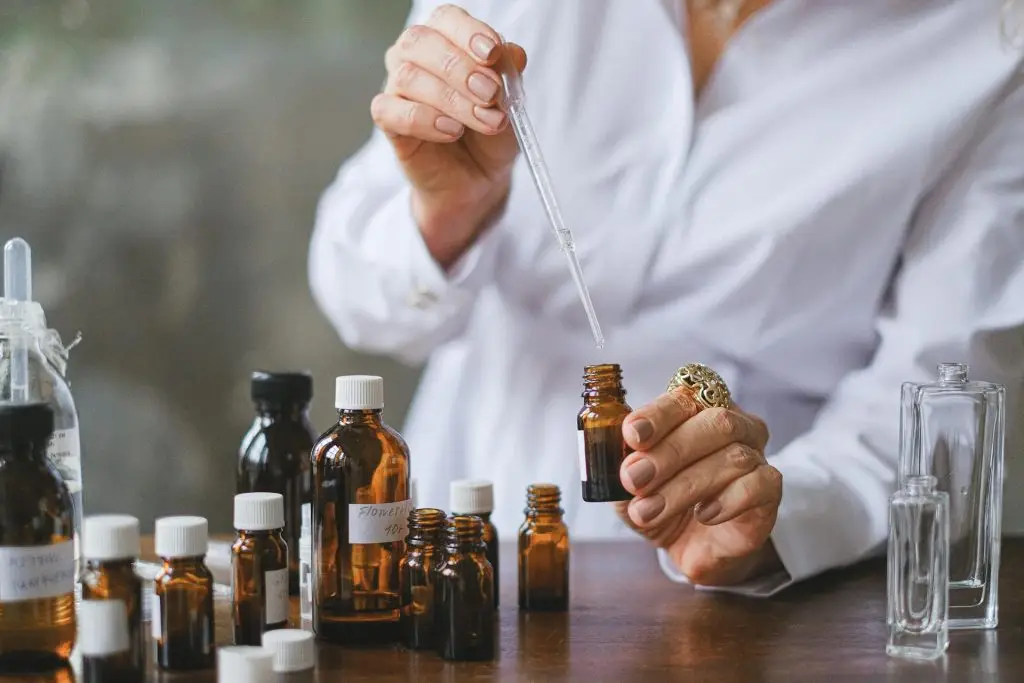
Hair thinning or loss can affect confidence and self-image, but science shows that certain ingredients can make a difference. Biotin, caffeine, and other key nutrients support stronger hair by feeding the scalp and helping follicles stay active longer. Each ingredient plays a unique role in improving scalp health and hair strength, which helps reduce shedding over time.
Biotin supports the natural production of keratin, the protein that keeps hair strong and less prone to breakage. Caffeine increases circulation to the scalp, which can help follicles work more efficiently. Together with other ingredients such as keratin, niacin, and amino acids, they create a highly effective formula of hair growth shampoo for men, which is used to stimulate hair growth.
This guide explains how these ingredients interact, what experts recommend for daily use, and how consistent care can lead to visible improvement. Anyone dealing with thinning hair can benefit from understanding how specific ingredients protect and restore hair health.
How Biotin, Caffeine, and Key Ingredients Tackle Hair Loss
Nutrients, plant extracts, and natural stimulants can influence how hair grows and how strong it remains. Each ingredient works differently, from feeding follicles with vitamins to helping block hormones that cause thinning.
Biotin (Vitamin B7) and Its Role in Hair Growth
Biotin, also known as vitamin B7, supports the body’s process of turning nutrients into energy and helps create keratin, a protein that forms the structure of hair. People often use biotin supplements or shampoos to strengthen weak strands and reduce breakage. However, research shows mixed results for those without a deficiency.
Low biotin levels can lead to brittle nails and thinning hair. For that reason, some hair growth shampoo for men uses biotin to help maintain thicker-looking hair. Although studies have not proven that extra biotin speeds up growth in healthy individuals, it can still support scalp health through improved protein infrastructure. Balanced nutrition that includes sufficient biotin can also protect against future thinning caused by stress or poor diet.
Caffeine’s Impact on Scalp Circulation and DHT
Caffeine can penetrate the scalp and energize hair roots. It helps widen blood vessels and improve circulation in the scalp, which gives follicles a better supply of oxygen and nutrients. The compound may also slow the effects of dihydrotestosterone (DHT), a hormone known to shrink hair follicles over time.
Studies suggest caffeine may extend the active growth phase of hair. Products that include caffeine often aim to preserve hair density in both men and women. For those with pattern hair loss, caffeine-based treatments can work as a non-invasive option that supports daily care. Used consistently, caffeine shampoos or serums may reduce hair fall linked to hormonal changes.
Keratin and Peptides for Hair Strength
Keratin is the main structural protein in hair. Damage from heat, chemical treatments, or aging can weaken it, leaving strands dull and fragile. Hair-care formulas that include hydrolyzed keratin or peptides can help fill gaps in the cuticle layer. This gives hair a smoother texture and lifts its natural luster.
Peptides signal follicles to produce stronger fibers. They can also improve elasticity, which reduces breakage. Regular keratin and peptide treatments may reinforce the hair shaft while helping retain moisture inside. The result is fuller, softer hair that handles stress from styling and external factors more easily.
The Science of DHT Blockers: Saw Palmetto and Zinc
DHT blockers target the root cause of many hair loss cases, especially in men. Saw palmetto, a plant extract, may limit the enzyme that converts testosterone into DHT. Lower DHT activity helps prevent follicle shrinkage, allowing hair to stay in its growth phase longer.
Zinc contributes to this process by supporting enzyme balance and scalp condition. A deficiency in zinc can weaken follicles and slow growth. Using shampoos or supplements that include saw palmetto and zinc may support thicker regrowth over time. Together, these ingredients create a protective environment that helps resist hormonal and environmental triggers of hair loss.
Supporting Ingredients and Expert-Recommended Approaches
Healthy hair depends on more than a single compound. Nutrient-rich ingredients, topical treatments with proven effects, and expert guidance all help restore scalp balance and support consistent hair regrowth. Safe use and realistic expectations matter as much as the formula itself.
Antioxidants and Natural Oils in Scalp Health
Antioxidants help neutralize free radicals that can weaken hair follicles and contribute to thinning. Vitamins A, C, and E support a balanced scalp environment, which keeps follicles active. Green tea extract and niacinamide also appear in modern products for their role in reducing oxidative stress and improving scalp comfort.
Oils such as argan oil and rosemary oil provide additional benefits. Argan oil supplies linoleic acid and vitamin E that soothe dryness and add elasticity to hair shafts. Rosemary oil has gained attention for improving circulation at the scalp, which may improve follicle nutrition. Regular application before shampooing or as a light scalp massage can help maintain moisture without clogging pores.
A balanced scalp with steady blood flow gives hair roots a better environment to produce thicker strands. This approach brings gradual but consistent improvements rather than sudden visible changes.
Hair Serums: Minoxidil, Redensyl, and Beyond
Modern hair serums often combine science-backed ingredients with supportive nutrients. Minoxidil remains one of the most studied topical choices for stimulating dormant follicles in both men and women with androgenetic alopecia. It promotes longer growth cycles and can result in visible regrowth after several months of consistent use.
Redensyl works in a slightly different way. It targets stem cells in the hair follicle and supports faster cell division, which can mimic some effects of minoxidil without the irritation often linked to stronger drugs. Some formulas also include copper peptides to help improve scalp firmness and reduce inflammation.
For best outcomes, users should follow application directions closely and apply to dry scalp surfaces. Using too much product will not increase results, but it can cause flaking or buildup around follicles. Consistency remains key to improvement.
Professional Perspectives from Dermatologists
Dermatologists emphasize early evaluation of hair loss causes before using treatments. They often check hormone levels, iron status, and thyroid function since these influence follicle activity. For conditions like androgenetic alopecia, topical stimulants and oral supplements may be combined under medical supervision.
Most dermatologists agree that biotin deficiency is uncommon, so extra supplementation may not help unless a true shortfall exists. Instead, they focus on targeted actives such as caffeine, niacinamide, and plant-derived antioxidants, which can strengthen follicles from the outside.
Expert recommendations also stress patience. New hair growth often takes several cycles to appear. Keeping the scalp clean and avoiding harsh treatments supports better absorption of topical products.
Choosing and Using Hair Loss Products Safely
Selecting hair growth products requires attention to both ingredients and individual tolerance. Always read labels for concentrations of actives like minoxidil, redensyl, or caffeine. A dermatologist can confirm whether a formula suits the user’s condition or interacts with prescribed medications.
Patch testing a small area before regular use helps avoid irritation. Adjusting frequency if redness or dryness occurs prevents further damage. In addition, people should maintain a balanced diet with enough protein, zinc, and vitamins to support internal hair strength.
Consistency and realistic expectations matter most. Proper routines, guided by expert advice, help control shedding and give follicles time to recover. A safe, measured approach often achieves stronger and healthier regrowth over time.
Conclusion
Biotin and caffeine each support hair health through different but complementary processes. Biotin helps the body produce keratin, a key protein in hair structure, while caffeine can improve circulation to hair roots and may slow the effects of DHT, a hormone often linked to thinning.
Other ingredients like keratin, niacin, and saw palmetto can add value by strengthening strands or helping balance scalp conditions. These compounds work best as part of a consistent routine supported by healthy habits such as balanced nutrition, hydration, and reduced stress.
Although research shows promise, results vary from person to person. Individual factors like age, hormones, and overall health influence how well these ingredients perform. Therefore, users may notice gradual improvement rather than fast changes.
In summary, biotin, caffeine, and a few other well-studied nutrients provide targeted support for hair strength and growth. They help create a healthier scalp environment and can aid those managing early or moderate hair loss.
Curated Literature & Washington DC Downtown Calendar
The Architecture of Focus: Deep Work & Modern Mastery
By Founders Library Press
A structured framework for strategic clarity, productivity, and authentic execution.
Upcoming Downtown Happenings
Live acoustic sessions, gallery receptions, literary salons, and independent trade shows across Washington DC.
