
Picking the right halo extension shade online can feel tricky without the chance to hold it next to your hair. However, it becomes much easier once you know what to look for and which steps to follow. Many people worry they will end up with a color that looks fake or too different from their natural hair.
The key to choosing the right shade remotely is to focus on your hair’s undertone and compare it to mid-lengths rather than roots, then use reference tools like color charts and photos taken in natural light. This approach helps avoid common mistakes like ordering a shade that looks perfect on a screen but clashes in real life. Small details such as tone temperature and how light reflects off your hair make a big difference.
This guide walks through proven methods to match halo extensions from home with confidence. Readers will learn how to identify their natural undertones, use the right type of photos for comparison, and apply simple techniques that lead to a smooth and natural blend.
Steps to Accurately Match Halo Extensions Remotely
Successful remote color selection depends on accurate self-assessment of your hair’s base shade, undertones, and tone variations. Natural light provides the most reliable view, while digital tools and swatches help confirm your choice before purchase.
Understanding Undertones and Natural Hair Variations
Undertones affect how extensions blend with natural hair under different light sources. Warm undertones include gold, copper, and honey shades. Cool undertones show ash, silver, or beige tones. Neutral undertones balance between these two categories.
To identify your undertone, hold white paper next to your hair in daylight. If your strands appear golden or orange-toned against the paper, you have warm undertones. If they look grayish or muted, you have cool undertones.
Hair color varies from roots to ends due to sun exposure and previous color treatments. Most people have darker roots and lighter ends. This natural gradient means you need to match extensions to the mid-length area rather than just one section.
Red hair presents unique challenges because it includes many different tones. For halo hair extensions for red hair, determine whether your red hair leans toward copper, auburn, burgundy, or strawberry blonde. Each variation has distinct warm or cool undertones that affect how well extensions blend.
Evaluating Your Base Color, Highlights, and Lowlights
Your base color represents the dominant shade across most of your head. Study your hair in several spots to find the main tone. Note any lighter or darker streaks that add dimension to your overall look.
Highlights create lighter sections throughout your hair. Lowlights add darker depth. Most natural hair includes both, which prevents a flat appearance. Single-tone extensions rarely match real hair because they lack this depth.
Take photos of different sections of your hair in natural light. Compare the root area, mid-lengths, and ends separately. The mid-length section typically provides the best reference point for extension matching because it represents the truest version of your color.
If you have balayage or ombre, select an extension shade that falls between your lightest and darkest tones. This middle ground creates better overall harmony. Extensions that match only your roots appear too dark, while those that match only your ends look disconnected.
Using Natural Light for True Color Assessment
Indoor lighting distorts hair color significantly. Fluorescent bulbs add green or cool tones, while yellow bulbs create warm casts. These artificial effects make accurate color matching nearly impossible.
Stand near a window during daytime hours for the most reliable assessment. Avoid direct sunlight, which can wash out colors. Overcast days provide even, diffused light that shows hair’s true tone without harsh shadows.
Take clear photos of your hair from multiple angles in this natural light. Capture front, side, and back views to see how color varies across your head. Keep your hair down and spread out so all sections appear in the frame.
Compare these photos to extension color charts or swatches under the same natural light conditions. Screen brightness and display settings can alter how colors appear digitally, so use physical samples whenever possible. If you must rely on digital comparisons, take photos and view them on multiple devices to check consistency.
Leveraging Color Swatches, Comparison Charts, and Virtual Color Match Tools
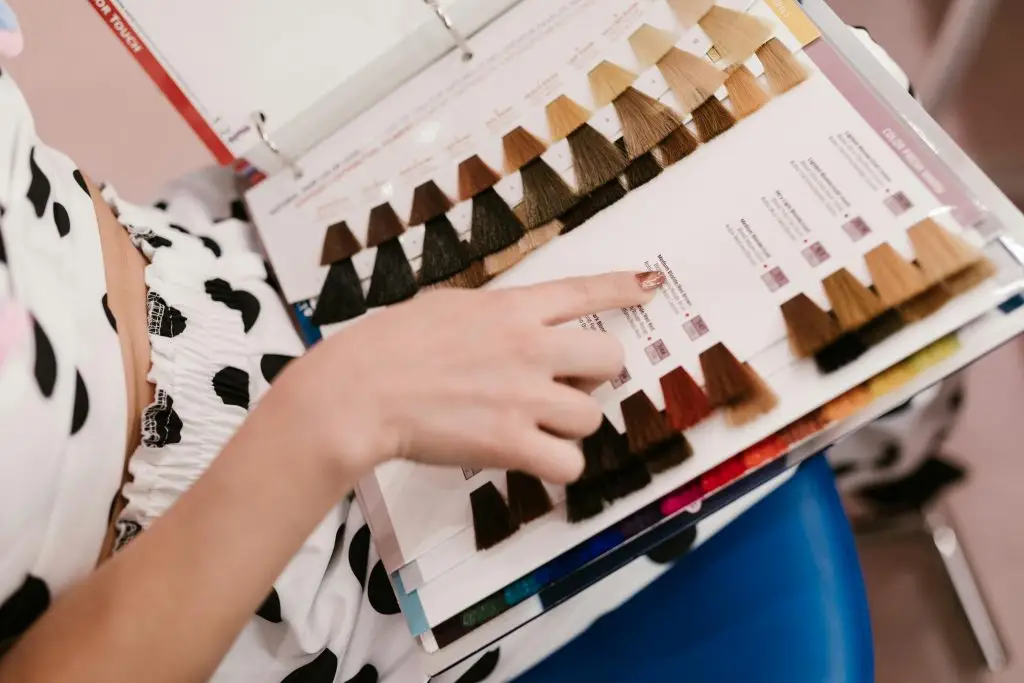
Physical color swatches provide the most accurate representation of extension shades. Request sample strands before ordering full sets. Hold these samples directly against your hair in natural light to check for matches.
Many retailers offer color rings with multiple shades attached. These rings let you test several options at once. Arrange them against your mid-lengths and observe which shade disappears into your hair rather than stands out.
Digital color match tools can estimate your shade from uploaded photos. These programs analyze your hair’s tone, depth, and highlights to suggest compatible extensions. However, screen variations and photo quality affect accuracy, so treat digital results as starting points rather than final answers.
Comparison charts show extensions next to common hair color references. Look for charts that separate shades by undertone category. Match your identified undertone first, then narrow down to specific depth levels. If you fall between two shades on a chart, choose the lighter option because darker extensions appear more obvious against natural hair.
Test multiple comparison methods together for better confidence. Combine physical swatches with digital tools and chart references. This layered approach reduces the risk of ordering mismatched extensions.
Optimizing Blending and Support for Seamless Halo Hair Results
The right shade matters, but blending techniques and support resources make the difference between obvious extensions and natural-looking results. Quality blending requires the proper tools, realistic color expectations, and access to expert guidance.
Blending Halo Extensions for a Seamless Look
Heat tools are necessary to create seamless blending between natural hair and halo extensions. A curling iron, straightener, or wave maker helps the two textures merge together.
Before heat application, both natural hair and the extension need heat protectant spray. This protects the coating on the extensions and prevents damage to natural strands. Fresh extensions should be rinsed with water (no shampoo) and dried completely before first use. This process makes them appear thicker and more natural.
Layers are the most important factor for seamless blending. Fine extensions can be trimmed to match natural hair length. Medium and thick options need layers cut into them to avoid an obvious disconnect. Natural hair also benefits from face-framing layers and feathered ends instead of blunt cuts.
Texture helps hide any shade differences between natural hair and extensions. Waves or curls allow both to blend naturally together. Straight styles work well too, but they require precise color matches since the hair sits flat and shows more detail.
Start by curling natural hair first, then apply the halo and curl the extensions. For straight styles, place the halo first and straighten everything together in one-inch sections. This distributes heat evenly and prevents damage from multiple passes.
Choosing Between Single-Tone and Multi-Tonal Options
Single-tone extensions work best for hair that has consistent color from roots to ends. They blend well with virgin hair or hair dyed to one solid shade. These extensions are simpler to match but show color differences more easily in certain lighting.
Multi-tonal options like balayage or highlighted extensions suit hair with dimension and variation. They contain multiple shades woven together, which creates a more forgiving match. The color variation helps the extension blend even if the exact shade is slightly off.
For color-treated hair, multi-tonal extensions often produce better results. The multiple tones mimic the natural depth and movement of professionally colored hair. Single-tone options can look flat against highlighted or dimensional hair.
Hair that changes color in different lighting needs multi-tonal extensions. These adapt better to various light sources because they contain similar color variations. A single shade might match perfectly indoors but look wrong in natural sunlight.
People with naturally multi-dimensional hair (common in brunettes and blondes) also benefit from multi-tonal options. Hair rarely grows in one flat color. Most natural hair has subtle highlights, lowlights, and depth that multi-tonal extensions replicate better than single shades.

When to Seek Professional Advice or Contact Online Support
Color matching becomes difficult with complex hair colors like ombre, red tones, or previously lightened hair. These situations require expert help to identify the right shade. Free color match services offered by reputable companies provide personalized recommendations based on photos.
Contact support teams before purchase if the shade falls between two colors. They can suggest which direction works better and whether to go lighter or darker. Most companies respond within 24-48 hours with specific shade advice.
Hair that looks different in various lighting (warm indoors, cool outdoors) needs professional assessment. Support teams review photos taken in different light sources to find the most versatile shade match. They consider undertones and how the extension will appear across multiple environments.
Previous color corrections, multiple dye jobs, or damaged hair all require expert guidance. These conditions affect how extensions blend and which shades work best. Support teams understand these complications and suggest appropriate solutions.
After purchase, contact support if the extensions don’t blend as expected. They can troubleshoot blending issues, suggest styling techniques, or help determine if a different shade would work better. Most companies allow exchanges within specific timeframes for shade mismatches.
Professional hairstylists can also trim and layer extensions for better blending. They cut the extensions to match natural hair length and add layers where needed. This service costs extra but produces the most natural results for challenging hair types.
Conclusion
Choosing the right halo extension shade without an in-person preview comes down to three core factors: natural light assessment, undertone awareness, and photo accuracy. Anyone can achieve a seamless match by comparing their hair near a window, recognizing warm or cool tones, and taking clear photos from multiple angles. If two shades appear close, a slightly lighter option often blends better and allows for later adjustments. Professional color swatches or consultations can provide extra guidance for those with multi-tonal or highlighted hair.
Curated Literature & Washington DC Downtown Calendar
The Architecture of Focus: Deep Work & Modern Mastery
By Founders Library Press
A structured framework for strategic clarity, productivity, and authentic execution.
Upcoming Downtown Happenings
Live acoustic sessions, gallery receptions, literary salons, and independent trade shows across Washington DC.
