
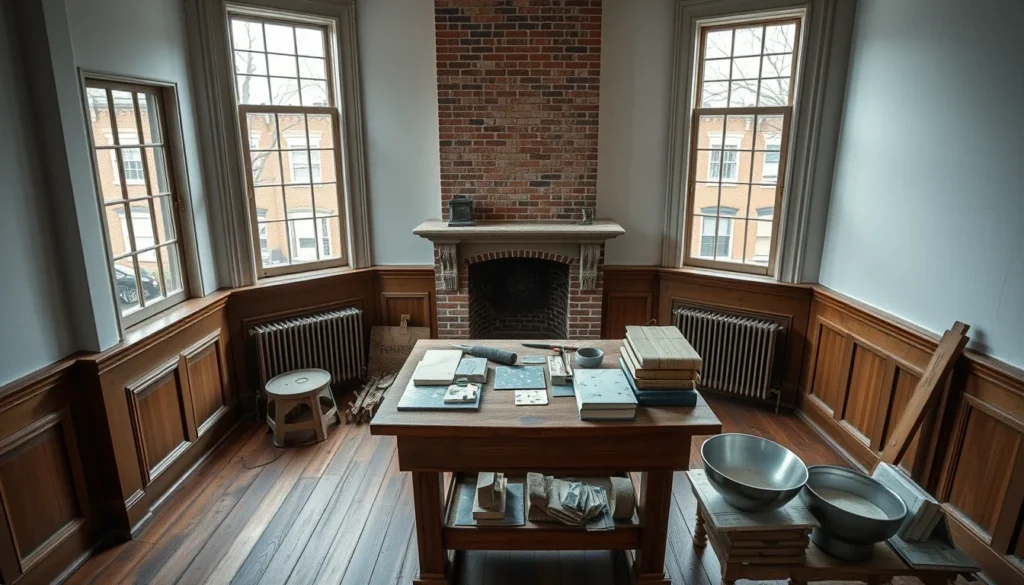
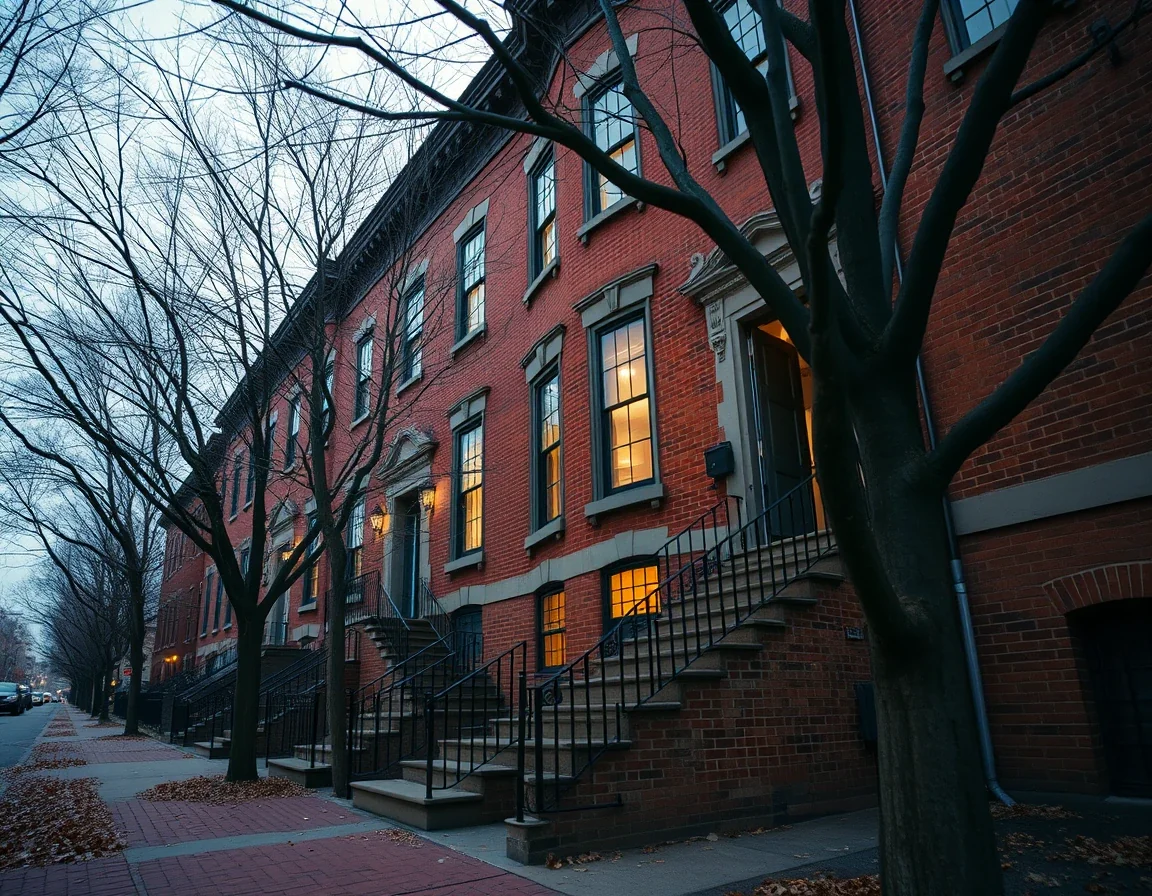
Capitol Hill’s historic homes and the craftspeople who maintain them form a living architectural ecosystem across Southeast and Northeast Washington. Every late November, as crisp 45-degree air settles over dry brick sidewalks and bare street trees, warm light glows behind restored parlor windows along tree-lined residential blocks.
Spanning Federal, Italianate, and Richardsonian Romanesque styles, these nineteenth-century rowhouses demand far more than standard modern contracting. Keeping their brick facades, slate roofs, and heart pine floors intact requires specialized local tradespeople who understand century-old building methods.
What keeps Capitol Hill’s brick facades standing after a century?
Historic rowhouse masonry survives through breathable, lime-based mortar rather than rigid modern Portland cement. Skilled masons rake out failing joints by hand and repoint walls with softer lime mixes, allowing antique clay bricks to expand and release trapped moisture without cracking.
When structural issues extend beyond brickwork, homeowners turn to specialists like Landis Architects and Builders, operating out of 7059 Blair Road NW in Takoma. The design-build firm handles full-scale exterior and interior historic preservation, custom woodwork, and structural restorations tailored to Capitol Hill rowhouses.
Their carpenters replicate original box cornices, turned porch balusters, and custom wood storm windows that block winter drafts without altering street-facing facades. By matching original lumber profiles, these restorations preserve neighborhood streetscapes while upgrading insulation and structural stability.
Where do homeowners source authentic nineteenth-century hardware?
Restoring a period rowhouse requires exact-match mortise locks, cast-iron floor registers, and solid brass hinges rather than off-the-shelf modern replacements. Specialized architectural showrooms and salvage warehouses supply the original or reproduction hardware needed to keep historic doors and windows functioning smoothly.
Since 1889, W.T. Weaver & Sons at 1208 Wisconsin Avenue NW in Georgetown has served as a primary resource for DC restoration projects. The fourth-generation, family-owned showroom supplies period-appropriate architectural hardware and decorative bath fixtures that align with strict historic district guidelines.
For salvaged originals, local builders drive just across the District line to Community Forklift at 4671 Tanglewood Drive in Edmonston, Maryland. This 40,000-square-foot nonprofit reuse warehouse rescues vintage building materials, reclaimed lumber, antique doorknobs, and marble fireplace mantels from regional demolitions.
Why does a neighborhood hardware store still anchor the Hill?
A dedicated neighborhood hardware store bridges the gap between routine homeowner upkeep and master-level restoration. Local shops stock specialized wood fillers, traditional oil-based primers, and historic paint palettes alongside tool rentals that big-box retailers rarely carry.
At 1115 Pennsylvania Avenue SE, Frager’s Hardware has anchored Capitol Hill home maintenance since 1920. Contractors and residents rely on its tool rental counter and full-service Benjamin Moore paint shop to match period-accurate exterior trim colors and interior plaster finishes.
In late fall, foot traffic inside Frager’s shifts toward cold-weather preparation. Homeowners pick up bronze weatherstripping, glazing putty for wooden sash panes, and radiator keys to keep century-old cast-iron heating systems balanced before December freezes arrive. For more ideas on seasonal home care across Washington’s historic neighborhoods, explore our recent residential guides.
Civic stewardship and the Capitol Hill Restoration Society
Maintaining a historic district takes organized community advocacy alongside individual craftsmanship. The Capitol Hill Restoration Society (CHRS), headquartered at 420 Tenth Street SE, connects residents directly with vetted local artisans and preservation experts.
Each year, CHRS hosts its House Expo at Eastern Market, gathering specialized slate roofers, plasterers, stained-glass repair studios, and millworkers under one roof. The volunteer-driven organization also leads the annual House & Garden Tour, opening private residences to showcase how modern families live inside thoughtfully restored spaces.
Citywide oversight comes from the DC Preservation League at 1328 Florida Avenue NW in U Street / Cardozo. The nonprofit advocates for protected historic districts across Washington and reviews major renovation plans to ensure new additions respect surrounding architectural proportions.
Preserving architectural warmth for the next generation
Investing in authentic restoration pays dividends in both property longevity and daily comfort. Original heart pine flooring, three-coat lime plaster walls, and solid-core paneled doors absorb street noise and regulate indoor humidity far better than lightweight drywall and synthetic laminates.
True architectural warmth comes from these tactile, durable materials aging gracefully under skilled care. When a homeowner hires a specialized plasterer to repair a ceiling medallion or commissions a local smith to straighten a wrought-iron fence, that investment protects the entire block’s visual continuity.
Across Capitol Hill, this quiet partnership between discerning homeowners, civic preservationists, and master tradespeople ensures Washington’s nineteenth-century architecture remains functional and deeply livable. As another winter settles over the Potomac basin, these historic rowhouses stand ready for another century of daily life.
Curated Literature & Washington DC Downtown Calendar
The Architecture of Focus: Deep Work & Modern Mastery
By Founders Library Press
A structured framework for strategic clarity, productivity, and authentic execution.
Upcoming Downtown Happenings
Live acoustic sessions, gallery receptions, literary salons, and independent trade shows across Washington DC.
DC Life Magazine Insider Dispatch
Get Curated Local Guides and Editorial Features
Tell us your city and primary editorial interest so our editors send relevant local dining, culture, style, and outdoor guides with zero clutter.
