
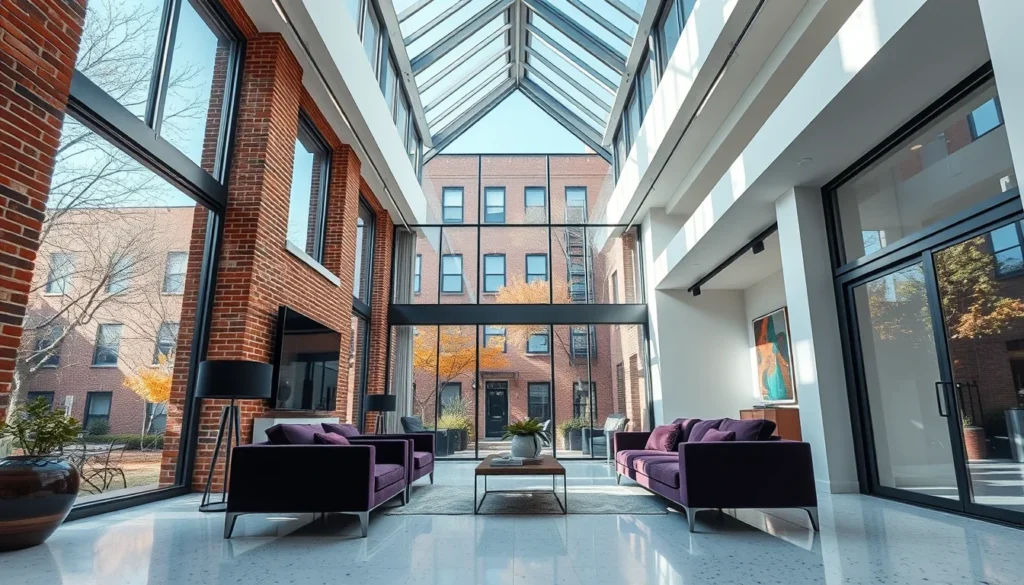
Restoring a DC rowhouse requires balancing nineteenth-century masonry, original millwork, and local preservation guidelines with modern mechanical systems and open sightlines. Across Capitol Hill and Dupont Circle, crisp autumn air and amber gingko leaves frame brick facades that conceal thoughtful interior updates built for contemporary daily living.
Homeowners across the District face a distinct architectural challenge when updating century-old residences. Narrow footprints, load-bearing party walls, and aging lime plaster demand strategic planning before a single partition comes down. Preserving authentic character while improving daily function turns a historic property into an enduring local investment.
How do you navigate historic preservation rules in Washington, DC?
Navigating DC historic preservation rules starts with verifying whether a property sits within a designated historic district. Homeowners must submit exterior alteration plans to the Historic Preservation Office before replacing street-facing windows, modifying brick facades, or building rear rooftop additions.
Before hiring a contractor, attentive owners consult educational resources from the DC Preservation League at 1328 Florida Ave NW in the U Street and Cardozo neighborhood. The citywide nonprofit provides clear guidance on historic district boundaries, landmark designations, and appropriate facade maintenance for older residential blocks.
A weekend afternoon at the National Building Museum at 401 F Street NW in Judiciary Square also sharpens a homeowner’s eye for detail. Exhibitions on residential architecture and urban history clarify how Federal, Victorian, and Richardsonian Romanesque rowhouses evolved across Washington neighborhoods.
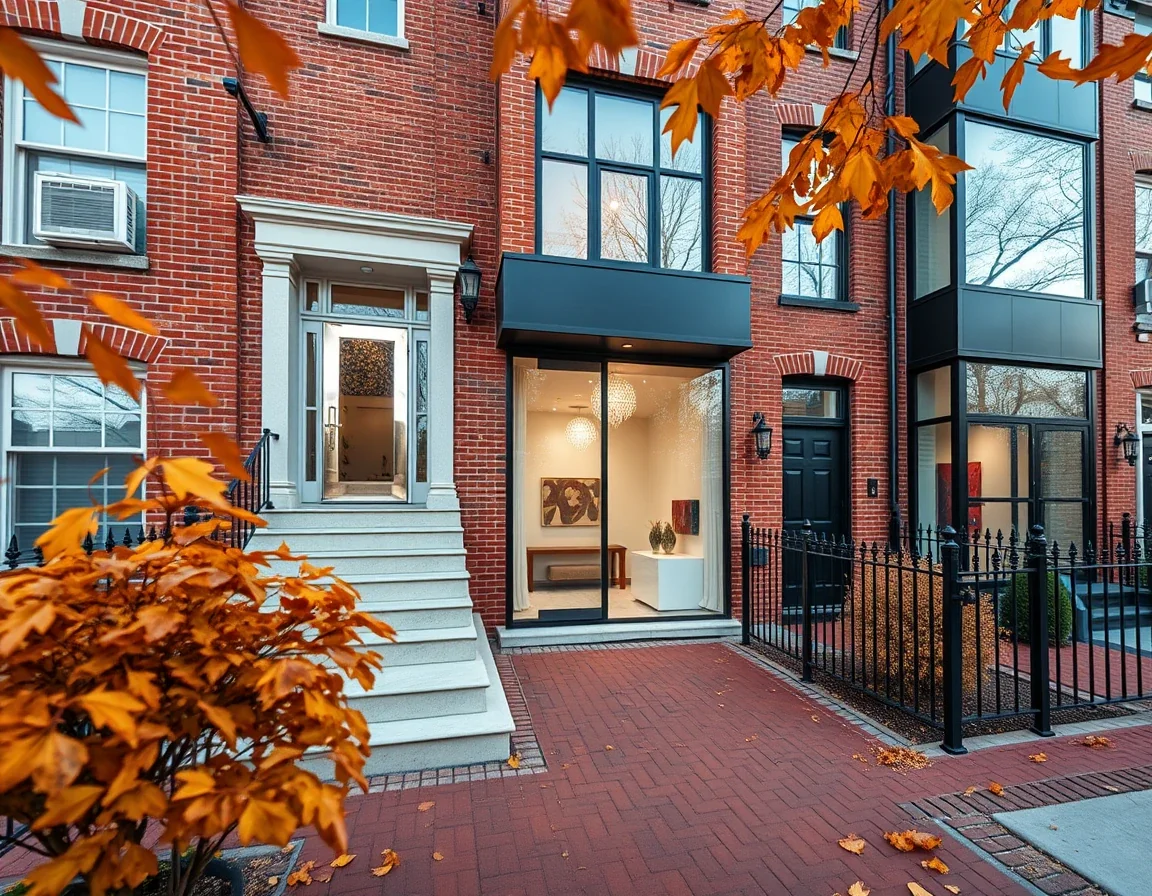
Where can homeowners source authentic architectural salvage in the DMV?
Homeowners source authentic architectural salvage in the DMV through nonprofit reuse warehouses and long-standing neighborhood hardware stores. Matching original heart pine flooring, vintage brass mortise locks, and solid-core doors prevents jarring visual mismatches between century-old plaster walls and new construction.
Just across the District line in Edmonston, Maryland, Community Forklift operates a 40,000-square-foot reuse warehouse at 4671 Tanglewood Dr. Contractors and homeowners browse rows of salvaged fireplace mantels, cast-iron radiators, antique lighting, and reclaimed lumber suited to period-accurate repairs and custom millwork.
For daily project supplies and historic paint matching, Frager’s Hardware at 1115 Pennsylvania Ave SE on Capitol Hill remains an indispensable local resource. Founded in 1920, this neighborhood institution pairs tool and appliance rentals with a Benjamin Moore paint shop tuned to historic palettes.
How can a narrow rowhouse gain modern light and flow?
A narrow DC rowhouse gains modern light and flow by removing non-structural parlor partitions, widening rear openings, and installing steel-framed glass doors. Strategic pocket doors and hydronic radiant floor heating preserve original ceiling heights while eliminating bulky ductwork in tight footprints.
Architect-led design-build firms such as Wentworth, located at 8401 Connecticut Ave, Suite 310 in Chevy Chase, Maryland, specialize in reconfiguring tight historic interiors. Their teams reshape dark center rooms in neighborhoods like Georgetown and Logan Circle without erasing original stairwells, wainscoting, or crown molding.
Thoughtful spatial planning draws natural light deep into the middle of a twenty-foot-wide floor plan. Pairing honed soapstone counters and unlacquered brass fixtures with restored brick walls delivers quiet craftsmanship that ages gracefully. Read more about refined home design in DC Life Magazine.
Upgrading Windows, Masonry, and Outdoor Spaces for DC Seasons
Drafty single-pane sashes and crumbling mortar joints test every homeowner once October temperatures dip into the forties and fifties. Restoring original wooden double-hung windows with bronze weatherstripping and custom interior storm panels keeps historic glass intact while blocking autumn chills.
Exterior brick walls require equal care during fall maintenance. Repointing historic masonry with breathable lime mortar prevents moisture from freezing inside soft clay bricks during winter thaws, protecting both structural integrity and interior plaster walls.
Behind the main house, narrow brick courtyards extend living space well into cool November evenings. Bluestone pavers, recessed step lighting, and a compact wood-burning or gas hearth turn a once-overlooked alley strip into a welcoming spot for sweater-weather gatherings.
Furnishing Historic Rooms for Contemporary Living
Once construction wraps, furnishing narrow rooms requires pieces with clean lines and disciplined scale. Oversized suburban sectionals overwhelm nineteenth-century parlors, blocking fireplace sightlines and crowding tall bay windows.
At GoodWood on the U Street Corridor at 1428 U Street NW, shoppers find refurbished antique and mid-century modern furniture scaled specifically for city living. Operating since 1994, the 3,000-square-foot shop stocks walnut credenzas, vintage gilt mirrors, and compact dining tables with genuine character.
As cool twilight settles over neighborhoods from Navy Yard to Bethesda, a well-restored rowhouse rewards careful stewardship. Thick masonry walls hold evening warmth, while updated kitchens and tailored furnishings support effortless autumn hospitality.
Restoring a historic Washington home is ultimately an act of patience and respect for local craftsmanship. By pairing preservation standards with smart engineering and enduring materials, homeowners protect the District’s architectural heritage while shaping spaces built for decades ahead.
Little Known Fact: Nineteenth-century builders constructed many Washington rowhouses using locally pressed brick made from Anacostia River clay, which fired to a softer, more porous finish than modern kiln brick and requires breathable lime mortar rather than hard Portland cement during repointing. (Source: DC Historic Preservation Office)
Curated Literature & Washington DC Downtown Calendar
The Architecture of Focus: Deep Work & Modern Mastery
By Founders Library Press
A structured framework for strategic clarity, productivity, and authentic execution.
Upcoming Downtown Happenings
Live acoustic sessions, gallery receptions, literary salons, and independent trade shows across Washington DC.
DC Life Magazine Insider Dispatch
Get Curated Local Guides and Editorial Features
Tell us your city and primary editorial interest so our editors send relevant local dining, culture, style, and outdoor guides with zero clutter.
