
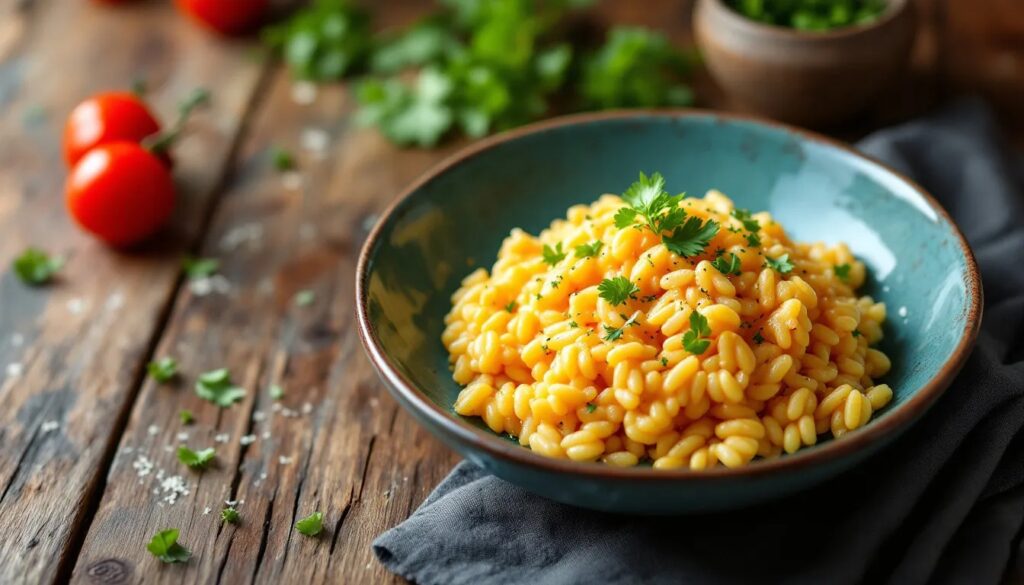
The journey of grits begins not in a modern kitchen, but in the ancient fields of Mesoamerica, where maize was first domesticated thousands of years ago. The indigenous peoples of the American Southeast further refined its preparation, developing ‘hominy’ through a process called nixtamalization – soaking and cooking dried corn in an alkali solution. This not only enhanced its nutritional value but also unlocked its distinct flavor and texture. It was these Native American tribes who taught early European settlers how to prepare this foundational grain, and later, enslaved Africans adopted it, making it a cornerstone of their sustenance and culinary identity in the antebellum South. Over generations, grits became synonymous with Southern tables, evolving from a simple porridge to a versatile ingredient.
The addition of cheese and the transformation into a baked casserole elevate grits from a rustic dish to a celebrated comfort food. European influences brought dairy – cheddar cheese, milk, and butter – to the culinary landscape of the South. These ingredients, combined with the technique of baking, created a dish that offered sustenance, flavor, and a sense of shared abundance. The rich, salty tang of cheddar melding with the creamy grits, bound by eggs and milk, transforms into an irresistible, golden-crusted delight, often found gracing holiday tables, potlucks, and Sunday brunches across the region.
But what truly awakens this dish, giving it its characteristic Southern swagger, is the kick of Tabasco. This iconic hot sauce, born on Avery Island, Louisiana, in the mid-19th century, carries the legacy of chili peppers – a botanical treasure indigenous to the Americas. The fiery Capsicum frutescens, a staple in many indigenous diets, embarked on a global voyage with the Columbian Exchange, only to return and find a fervent home in Southern kitchens. Its sharp, vinegary heat cuts through the richness of the cheese, providing a vibrant counterpoint that tantalizes the palate.
Finally, the crunch of crushed corn flakes, a distinctly American innovation from the late 19th century, adds a delightful textural contrast. This clever use of a breakfast cereal as a savory topping showcases the ingenuity and practicality embedded in Southern cooking – a testament to making the most of available ingredients and adapting to modern conveniences like ‘quick grits.’
For those venturing into the creation of this Southern classic, a few tips: don’t rush the grits; slow cooking ensures maximum creaminess. Use sharp cheddar for a more pronounced flavor profile. A generous pat of butter or a swirl of cream at the end enhances richness. And remember, the amount of Tabasco is a personal journey – start with a few dashes and adjust to your desired level of warmth. Grits and Cheese isn’t just a recipe; it’s an edible story, inviting you to taste the layered history of the American South.
GRITS AND CHEESE
Embark on a culinary journey to the heart of Southern hospitality with this elevated Grits and Cheese casserole. It artfully transforms humble quick grits into an extraordinarily creamy, deeply savory experience, perfect for any occasion. Each decadent spoonful offers a harmonious blend of rich, tangy cheddar, a subtle whisper of piquant Tabasco, all crowned with a delightful golden, crisp corn flake topping. A truly versatile masterpiece, this dish shines as a sumptuous breakfast, an elegant brunch centerpiece, or a profoundly comforting accompaniment to any meal.
Ingredients
-
1
cup
quick grits -
4
cups
water -
6-8
oz
cheddar cheese
grated (from a ‘wedge’) -
1
stick
margarine or butter
cube -
2
eggs -
cup
milk
enough to make 1 cup when combined with eggs -
a few drops
tabasco
optional -
crushed corn flakes
for topping
Instructions
-
Initiate the grits preparation by combining 1 cup of quick-cooking grits with 4 cups of water in a suitable saucepan. Bring to a boil, then reduce the heat and allow the mixture to simmer and thicken precisely as indicated by the specific instructions on the grits packaging.
-
While the grits cook, prepare your cheese component: finely grate or shred 6 to 8 ounces of premium sharp cheddar cheese, ensuring a consistent texture for even melting.
-
Once the grits have finished cooking and are tender, immediately incorporate one full stick (approximately 8 tablespoons) of either rich margarine or unsalted butter into the warm mixture, stirring until completely melted and uniformly blended.
-
In a separate mixing bowl, gently whisk two large eggs. Gradually introduce enough whole milk to the beaten eggs until the combined volume reaches exactly one cup, ensuring a smooth, cohesive liquid.
-
Carefully combine the prepared grits, now infused with the melted fat, with the egg-and-milk blend and the grated cheddar cheese. Stir thoroughly until all ingredients are homogeneously distributed throughout the creamy base.
-
For an optional, subtle kick of warmth, introduce a few dashes of Tabasco hot sauce into the mixture, adjusting to your preferred level of piquancy.
-
Transfer the entire grits mixture into a shallow, oven-safe casserole dish, spreading it evenly to ensure uniform baking.
-
Generously blanket the surface of the casserole with a layer of finely crushed corn flakes, creating a delightful textural contrast for the finished dish.
-
Place the casserole in a preheated oven set to 350°F (175°C) and bake for approximately 30 to 40 minutes, or until the center is firmly set and the corn flake topping achieves a beautiful, golden-brown hue.
Recipe Notes
This cherished recipe, a testament to timeless Southern culinary traditions, was graciously shared by Mary Venable. When preparing the quick-cooking grits, please adhere to the specific instructions provided on your chosen product’s packaging, as preparation times and water ratios can occasionally vary slightly by brand. This ensures the perfect foundational texture for your casserole.
Global Heritage Archive
Anthropological & Spice Migration Record
“A culinary culture deeply rooted in indigenous American staples, profoundly shaped by the intermingling of African, European, and Native American traditions, and characterized by comforting, often communal, and resourceful preparations.”
🌿 Spice & Botanical Migration
The defining ‘spice’ in this dish, Tabasco sauce, derives its heat from chili peppers (Capsicum frutescens), a plant indigenous to the Americas. Cultivated for millennia in Mesoamerica and South America, chili peppers were introduced to the rest of the world through the Columbian Exchange in the 15th and 16th centuries. Their journey across oceans led to their adoption into diverse global cuisines, eventually returning to the Americas as a processed condiment, embodying a vibrant legacy of culinary exchange.
🏺 Historical & Archaeological Record
The oldest archaeological evidence related to the primary ingredient, maize (corn), and its preparation method of nixtamalization (treating with alkali to create hominy for grits), dates back over 3,500 years to Mesoamerica, particularly in regions that are now parts of Mexico and Central America.
💡 Little Known Facts
- Grits, derived from hominy, were originally a staple of Native American tribes in the Southeastern United States, who taught early European settlers how to prepare them.
- The use of crushed corn flakes as a crispy topping is a uniquely American innovation, reflecting the country’s prominent role in the development of breakfast cereals and convenience foods in the late 19th and early 20th centuries.
- Tabasco sauce, a key flavor enhancer in many Southern dishes, was created on Avery Island, Louisiana, in 1868 by Edmund McIlhenny, becoming one of the earliest commercially produced hot sauces.
📸 Made This Heritage Recipe?
We would love to see how your dish turned out! Send a photo of your culinary creation to [email protected] to be featured in our community gallery.
Leave a review and rate this recipe below!
Curated Literature & Washington DC Downtown Calendar
The Culinary Alchemist: Modern Gastronomy & Flavor Pairing
By LDN Gastronomy Series
Artisanal technique, seasonal sourcing, and kitchen mastery.
Upcoming Downtown Happenings
Live acoustic sessions, gallery receptions, literary salons, and independent trade shows across Washington DC.
