
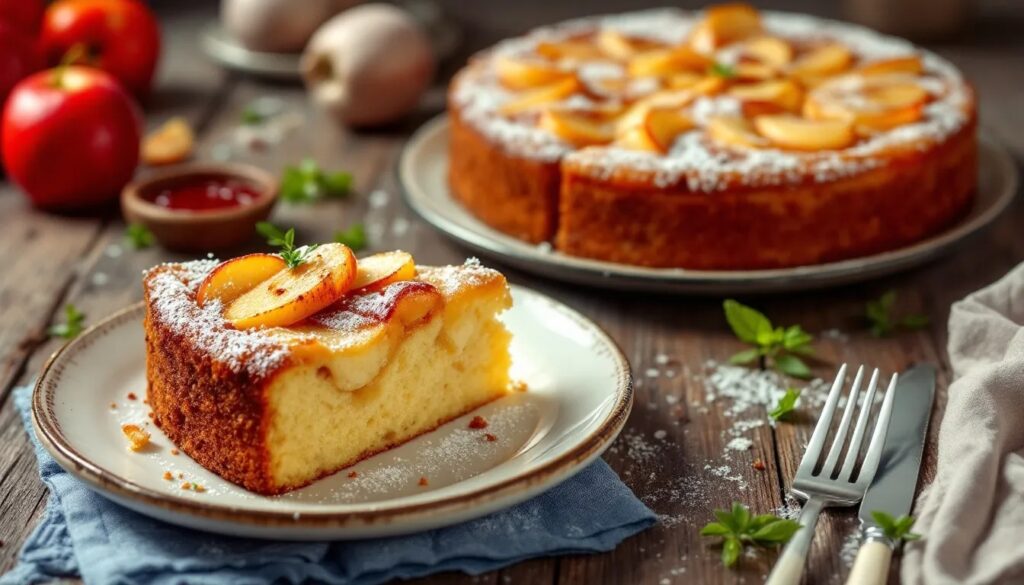
The aroma of baking apples, warm cinnamon, and a hint of vanilla has a unique power to transport us, invoking memories of home, comfort, and heritage. In the heart of Europe, this evocative power finds its quintessential expression in the German Apple Cake, or *Apfelkuchen* – a dish that is far more than just a dessert; it is a delicious narrative of history, migration, and the evolution of taste.
At first glance, German Apple Cake seems delightfully straightforward: a simple cake base, abundant apples, and a sprinkle of spice. Yet, beneath its unassuming exterior lies a rich tapestry of global connections. The apple itself, a symbol of fertility and abundance in many cultures, has been cultivated in Europe for millennia. Germany, with its temperate climate and rich agricultural tradition, has long embraced the apple, making it a cornerstone of its culinary identity. From rustic tarts in medieval monasteries to the refined *Kuchen* served during the cherished *Kaffee und Kuchen* tradition (a daily ritual akin to British afternoon tea, which blossomed with the arrival of coffee in Europe in the 17th century), the apple has been a constant companion.
The genesis of this particular recipe, utilizing baking powder and vegetable oil, hints at a more modern iteration, likely from the late 19th or 20th century. Before chemical leaveners became widespread, *Apfelkuchen* often relied on yeast-based doughs or elaborately whipped eggs for their lift, showcasing the ingenuity of earlier bakers. The shift to baking powder democratized baking, making light, airy cakes accessible to more households.
But let’s delve deeper into the global journey of its key ingredients. Take cinnamon, for example. This warm, aromatic bark, so indispensable to apple cake, hails from the verdant landscapes of Sri Lanka and Southeast Asia. Its presence in European kitchens is a direct legacy of the ancient Spice Routes, a network of trade that connected East and West for millennia. Initially a rare and expensive luxury, cinnamon’s journey across continents speaks to humanity’s enduring desire for exotic flavors. Similarly, vanilla, that intoxicatingly sweet and complex essence, travelled from its indigenous home in Mesoamerica to Europe in the wake of the Columbian Exchange. Its cultivation outside its native Mexico was a horticultural marvel, only truly succeeding in the mid-19th century, making its inclusion in this recipe a testament to centuries of global exploration and agricultural innovation.
Even sugar, seemingly mundane, carries a profound history. While European beet sugar eventually offered a local alternative, the sugar that sweetened earlier German cakes was often cane sugar, a product intrinsically linked to colonial expansion and the transatlantic slave trade. Its journey from tropical plantations to European pantries is a stark reminder of how deeply intertwined our culinary delights are with global economic and political histories.
Preparing a German Apple Cake is a delightful culinary meditation. The choice of apples is paramount: a blend of sweet and tart varieties, like Granny Smith and Honeycrisp, offers the best balance of flavor and texture. Don’t be afraid to add a generous amount of lemon juice to the apples; it brightens their flavor and prevents browning. For a truly authentic touch, consider using butter instead of oil in the cake batter for a richer, more traditional crumb. Remember not to overmix the batter, as this can lead to a tough cake. The joy of *Apfelkuchen* is in its comforting simplicity: a tender, moist cake cradling soft, spiced apples, perfect served warm with a dollop of whipped cream or a scoop of vanilla ice cream. It is a dish that not only nourishes the body but also feeds the soul, connecting us to generations of bakers and a world united by the love of good food.
GERMAN APPLE CAKE
Embark on a heartwarming culinary journey with this cherished German Apple Cake, a testament to timeless home baking. Each tender slice unveils a comforting symphony of flavors: gently spiced apple layers, fragrant with cinnamon, nestled within a sumptuously moist, golden crumb. This dessert, steeped in tradition, promises to transport your senses to cozy kitchens and shared moments, delivering pure, unadulterated nostalgia with every exquisite bite.
Ingredients
-
3
large
apples
None -
5
tbsp
sugar
None -
None
None
lemon juice
optional, to sprinkle over apple slices -
2
tsp
cinnamon
None -
3
cups
all-purpose flour
None -
1
tsp
salt
None -
2
cups
sugar
None -
1/4
cup
apple juice
milk can be substituted -
2 1/2
tsp
vanilla extract
None -
1
tbsp
baking powder
None -
1
cup
vegetable oil
None -
4
None
eggs
None
Instructions
-
Initiate your baking process by preheating the oven to 350°F (175°C). Prepare a 9 x 11-inch baking pan by lightly greasing its interior.
-
For the quintessential apple filling, meticulously peel and thinly slice your chosen apples. Should you wish to prevent browning, a light spritz of lemon juice is a thoughtful addition. In a separate bowl, combine the 5 tablespoons of sugar with the 2 teaspoons of ground cinnamon, then set this aromatic mixture aside.
-
To begin the cake batter, whisk together the flour, baking powder, and salt in a spacious mixing bowl, ensuring an even distribution of the dry ingredients.
-
In a distinct bowl, combine the oil and 2 cups of sugar, beating vigorously for approximately 2 to 3 minutes until the mixture achieves a light, creamy consistency.
-
Using a smaller bowl, vigorously whisk the eggs until they become pale and frothy. Gently incorporate the apple juice (or milk) and vanilla extract, blending thoroughly.
-
Carefully introduce the egg and liquid mixture into the creamed sugar and oil blend, continuing to beat thoroughly until everything is completely emulsified and smooth.
-
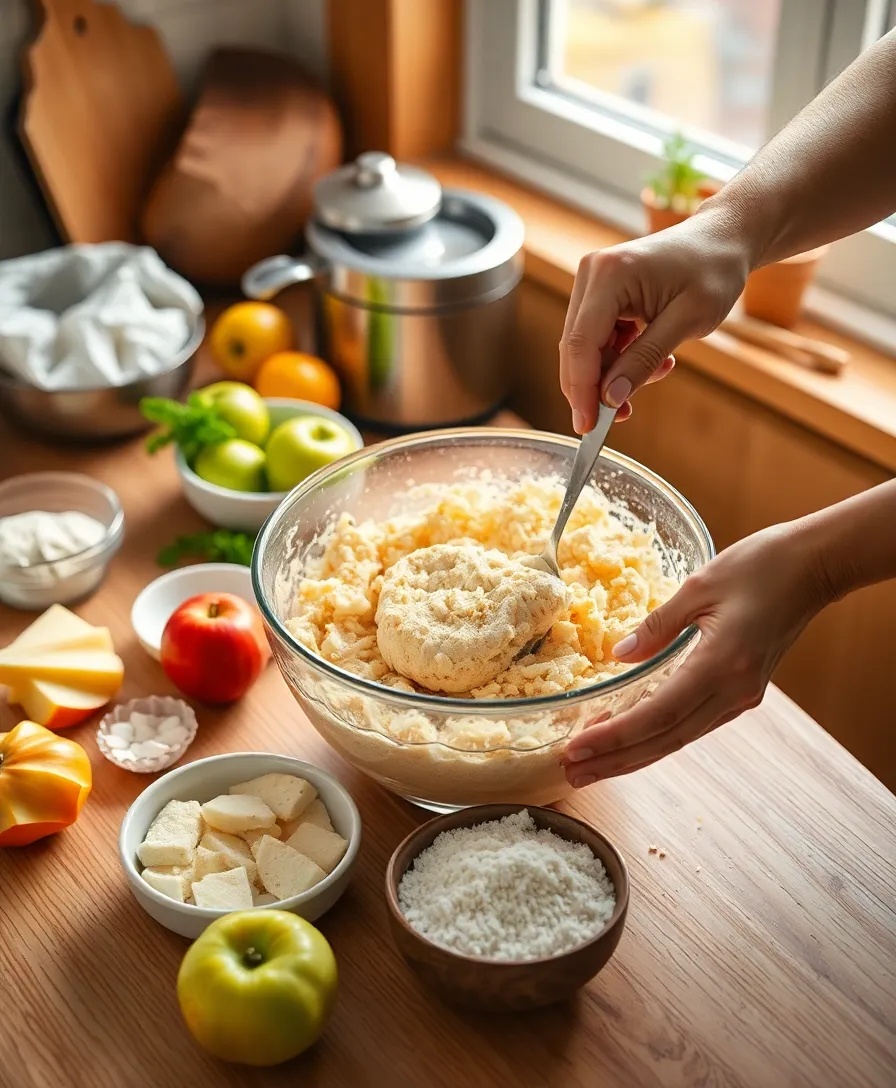
Gradually pour the wet ingredients into the dry flour mixture. With a gentle hand, fold the components together until just combined, taking care not to overmix.
-
Distribute approximately half of the prepared batter evenly into the base of your greased 9 x 11-inch baking pan.
-
Arrange the thinly sliced, cinnamon-sugar-dusted apples generously over the first layer of batter, creating a uniform blanket of fruit.
-
Delicately spread the remaining batter over the apple layer, ensuring the fruit is completely enrobed for a seamless finish.
-
Transfer the pan to the preheated oven and bake for approximately 40 minutes, or until a wooden skewer inserted into the cake’s center emerges clean, indicating perfect doneness.
Recipe Notes
This delightful recipe comes to us courtesy of Nora King. For an intriguing textural variation, note that milk may be substituted for the apple juice in the batter – a choice personally favored by our contributor for its unique richness and tender crumb.
Global Heritage Archive
Anthropological & Spice Migration Record
“German culinary culture centers around hearty, comforting dishes, with a particular love for baked goods (Kuchen and Torten) that often feature seasonal fruits and and are traditionally enjoyed during “Kaffee und Kuchen” gatherings.”
🌿 Spice & Botanical Migration
Cinnamon, originating from Sri Lanka and Southeast Asia, traveled to Europe via the ancient Spice Routes, becoming a prized ingredient in medieval European kitchens before its price dropped enough for widespread use in everyday baking. Vanilla, indigenous to Mesoamerica, was introduced to Europe following the Columbian Exchange and its cultivation spread globally, embedding its distinctive aroma into numerous desserts, including this German classic. The lemon, also of Asian origin, journeyed through the Middle East to the Mediterranean, eventually reaching northern Europe, where its tartness became valued for balancing sweet dishes.
🏺 Historical & Archaeological Record
While the concept of sweet baked goods with fruit dates back to ancient civilizations (e.g., Roman *placenta* cakes), direct archaeological evidence for a “cake” resembling modern German apple cake is found in medieval European culinary texts and illustrations, with specific recipes evolving significantly from the 16th century onwards, adapting to new ingredients and leavening techniques.
💡 Little Known Facts
- Before the widespread use of chemical leaveners like baking powder (invented in the mid-19th century), German Apfelkuchen would often rely on yeast dough, leavened bread crumbs, or stiffly whipped egg whites for its rise.
- The tradition of “Kaffee und Kuchen” (coffee and cake) in Germany emerged in the 17th century with the introduction of coffee to Europe and solidified as a daily social ritual by the 19th century, akin to British afternoon tea.
📸 Made This Heritage Recipe?
We would love to see how your dish turned out! Send a photo of your culinary creation to [email protected] to be featured in our community gallery.
Leave a review and rate this recipe below!
Curated Literature & Washington DC Downtown Calendar
The Culinary Alchemist: Modern Gastronomy & Flavor Pairing
By LDN Gastronomy Series
Artisanal technique, seasonal sourcing, and kitchen mastery.
Upcoming Downtown Happenings
Live acoustic sessions, gallery receptions, literary salons, and independent trade shows across Washington DC.
