
In the pantheon of confectionery, few creations hold as revered a place as ganache. More than just a chocolate icing, it is a sublime emulsion, a paradox of simplicity and sophistication, a velvet cloak that swathes cakes and fills tarts, or solidifies into truffles of unparalleled richness. Its very name, with its delightful French lilt, evokes images of artisanal Parisian patisseries, where culinary alchemy transforms humble ingredients into edible masterpieces. Yet, beneath its elegant facade lies a history brimming with both serendipity and global migration.
The prevailing legend of ganache’s birth is delightfully human: an accidental spill in a 19th-century Parisian chocolate shop. A clumsy apprentice, so the story goes, inadvertently poured hot cream into a bowl of chocolate. The master chocolatier, in a fit of exasperation, supposedly yelled “Ganache!” – a French term for “dolt” or “idiot.” But instead of discarding the ‘mistake,’ curiosity (or perhaps desperation) led to its tasting, revealing a smooth, luxurious blend far beyond a mere error. From this whimsical mishap, a cornerstone of modern confectionery was born, rapidly adopted by discerning chefs and home bakers alike for its versatility and profound depth of flavor.
The journey of ganache’s star ingredient, chocolate, is a far more ancient and epic tale, spanning continents and millennia. Cacao, the botanical source of chocolate, originated in the rainforests of Mesoamerica, cultivated by civilizations like the Olmecs, Mayans, and Aztecs for over 3,500 years. For these ancient cultures, cacao was not a sweet treat but a bitter, often spiced beverage, imbued with sacred significance, used in rituals and as currency. It was Cristóbal Colón who first encountered cacao beans, but it was Hernán Cortés who introduced them to Spain in the early 16th century, initiating the Columbian Exchange’s profound impact on global cuisine. From Spain, chocolate spread across Europe, gradually sweetened and refined, transforming from an exotic medicinal tonic to a coveted luxury beverage, eventually solidifying into the bars and blocks we recognize today, thanks to 19th-century innovations like cocoa powder and conching.
In ganache, this globally traveled chocolate meets the quintessential European dairy product: heavy cream. Cream provides the fat and dairy proteins necessary for the luscious emulsion, lending ganache its characteristic smooth texture and rich mouthfeel. The addition of water, as specified in some recipes, serves a subtle but important role, helping to create a thinner, glossier ganache often desired for glazes or softer fillings, by slightly altering the fat-to-liquid ratio.
Crafting ganache is deceptively simple, yet it demands attention to detail. The traditional method involves heating cream to a simmer, then pouring it over finely chopped chocolate. The heat from the cream slowly melts the chocolate, and a gentle whisking motion gradually brings the two together into a glossy, homogenous emulsion. The ratio of chocolate to cream dictates its final consistency – more chocolate for a firm truffle filling, more cream for a pourable glaze. For a perfect ganache, always use high-quality chocolate, as its flavor forms the very soul of your creation. Ensure your chocolate is finely chopped for even melting, and resist the urge to vigorously whisk too early, as this can incorporate air, leading to a dull finish. If your ganache splits or appears grainy, a spoonful of hot water or cream, slowly whisked in, can often rescue it. Embrace this elegant emulsion; it is a testament to culinary evolution, an accidental masterpiece that continues to enchant palates worldwide.
Ganache: (Chocolate Icing)
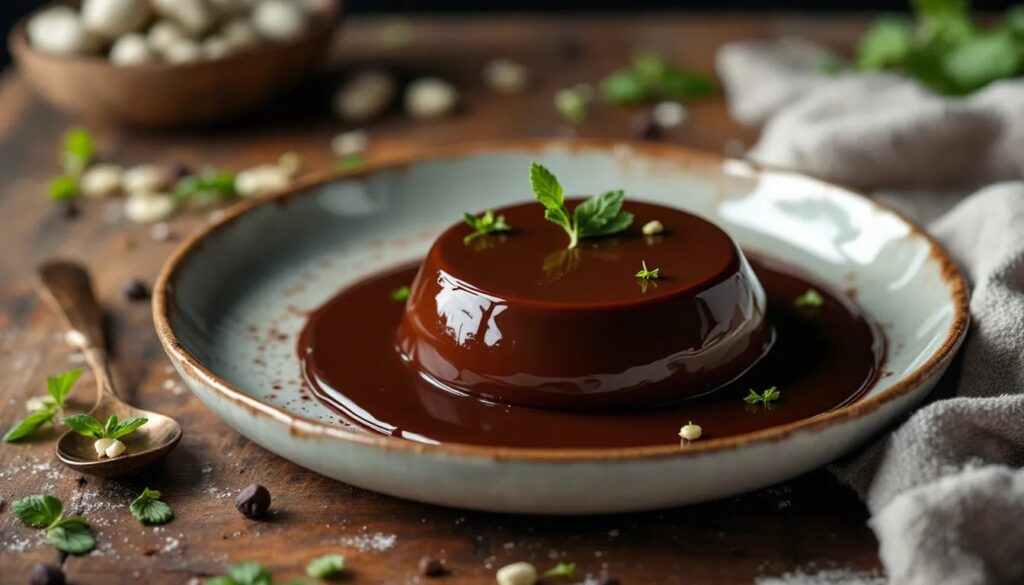
Discover the profound simplicity and luxurious versatility of this exquisite chocolate ganache. More than just an ‘icing,’ this foundational recipe masterfully melds the deep character of dark chocolate with the balanced sweetness of semi-sweet, unified by the opulent richness of heavy cream. The result is a flawlessly smooth, pourable coating, delivering a glossy, premium finish that elevates any confection, from delicate drizzles to an all-encompassing, decadent glaze for your most cherished cakes.
Ingredients
-
6
ounces
chocolate
3 ounces bitter, 3 ounces semi-sweet -
1½
cups
heavy cream
None -
2 to 3
Tablespoons
water
optional
Instructions
-
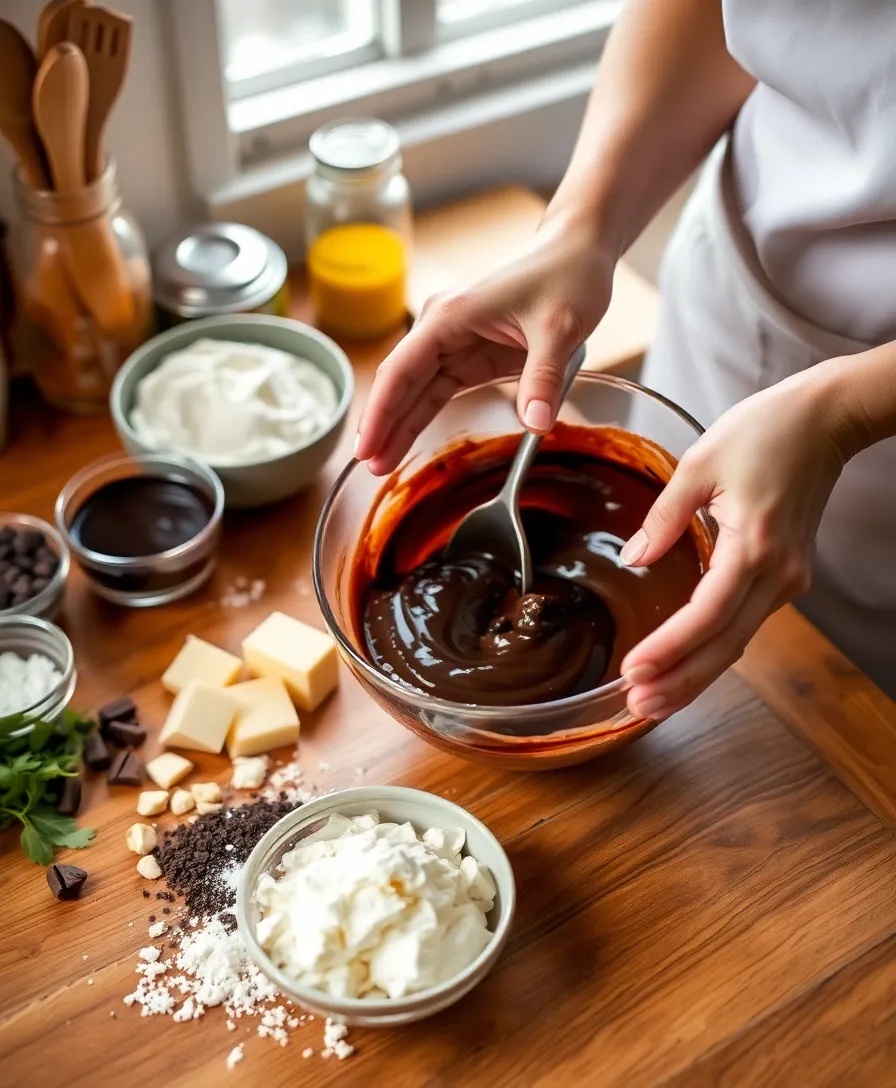
In a robust, heavy-bottomed saucepan, delicately combine the chosen chocolates with the rich heavy cream. Apply gentle, consistent heat, stirring perpetually until the chocolate has completely dissolved, yielding a perfectly smooth and harmonious emulsion.
-
Elevate the heat slightly and bring the opulent chocolate-cream mixture to a vigorous, rolling boil, ensuring visible bubbling across the surface.
-
Immediately withdraw the saucepan from the heat source.
-
Allow the ganache to repose and gradually cool to a temperate, barely lukewarm state, a critical stage for optimal application.
-
Should the ganache appear unduly viscous or exhibit any signs of textural separation, gently whisk in two to three tablespoons of water, adding one tablespoon at a time, until its sublime, flowing consistency is fully restored.
Recipe Notes
This magnificent ganache is designed to crown your culinary creations as the ultimate, sophisticated outer layer. Its ideal application is as the grand finale for a meticulously constructed cake. Envision a triumphant multi-layered cake: once cooled, each cake disc is artfully divided into three slender slices. These are then alternately layered and enrobed with complementary buttercreams, building a symphony of textures and flavors. Finally, the entire edifice is lavishly frosted with this lustrous chocolate ganache. A crucial step for structural integrity and enhanced presentation: refrigerate the finished cake until moments before serving, allowing the ganache to set to a firm, brilliant sheen.
Global Heritage Archive
Anthropological & Spice Migration Record
“French culinary culture, particularly its renowned patisserie tradition, emphasizes precision, artistry, and the elevation of simple ingredients into elegant desserts and confectionery.”
🌿 Spice & Botanical Migration
The primary migratory ingredient here is chocolate, derived from cacao beans (Theobroma cacao), which originated in Mesoamerica. Ancient Olmec, Maya, and Aztec civilizations cultivated cacao for thousands of years, consuming it as a bitter, spiced beverage. Following the Columbian Exchange in the 16th century, cacao was introduced to Europe by Spanish conquistadors. Over centuries, Europeans transformed it by adding sugar and adopting it into various confectionery forms, eventually leading to its integration into French patisserie, while cream and water are ubiquitous European ingredients.
🏺 Historical & Archaeological Record
The earliest archaeological evidence of cacao consumption dates back over 3,500 years to the Olmec civilization in Mesoamerica (present-day Mexico), where residues of theobromine (a compound in chocolate) have been found in pottery vessels. For ganache itself, the technique of emulsifying chocolate and cream is first documented in written French culinary texts around the mid-19th century, with some sources citing its appearance in the Maison Siraudin confectionery in Paris around 1850.
💡 Little Known Facts
- The name ‘ganache’ is widely believed to have originated from an accidental spill in a Parisian pastry shop, where a clumsy apprentice supposedly poured hot cream into chocolate, prompting the master chef to exclaim ‘Ganache!’ (French for ‘dolt’ or ‘idiot’).
- While often attributed to Parisian chocolatiers in the mid-19th century, earlier recipes for similar chocolate-cream preparations existed, suggesting the technique might have evolved rather than being a single ‘invention’.
📸 Made This Heritage Recipe?
We would love to see how your dish turned out! Send a photo of your culinary creation to [email protected] to be featured in our community gallery.
Leave a review and rate this recipe below!
Curated Literature & Washington DC Downtown Calendar
The Culinary Alchemist: Modern Gastronomy & Flavor Pairing
By LDN Gastronomy Series
Artisanal technique, seasonal sourcing, and kitchen mastery.
Upcoming Downtown Happenings
Live acoustic sessions, gallery receptions, literary salons, and independent trade shows across Washington DC.
