
In the sun-drenched kitchens of the Mediterranean, where ancient traditions blend seamlessly with vibrant, fresh flavors, a dish emerges that speaks volumes of history, migration, and culinary ingenuity: the Eggplant Mold. More than just a simple recipe, this dish is a delicious tapestry woven from the threads of millennia, showcasing how ingredients, once exotic and foreign, become quintessential staples, telling tales of human movement and adaptation across continents.
The star of our dish, the humble eggplant, began its extraordinary journey not in the Mediterranean, but thousands of miles eastward in ancient India and China. Known in Sanskrit as *vatingana*, it traversed the Silk Road, carried by merchants and explorers, reaching the Middle East and eventually the Iberian Peninsula by the early Middle Ages. Initially viewed with suspicion in parts of Europe, sometimes even dubbed the “mad apple” due to unfounded beliefs about its properties, the eggplant was embraced wholeheartedly in the warmer climates of the Mediterranean, particularly in Greek, Turkish, and Levantine cuisines, where its versatile flesh transformed into everything from smoky dips to hearty casseroles.
Complementing the eggplant are the liquid gold of olive oil, a cornerstone of Mediterranean civilization since antiquity, and the bright acidity of fresh tomatoes. While olives are indigenous to the Mediterranean basin, a symbol of peace and prosperity for millennia, tomatoes embarked on an even more dramatic voyage. Hailing from the distant Andes of South America, they arrived in Europe via the Columbian Exchange in the 16th century. For nearly two centuries, they were ornamental curiosities, even feared as poisonous. It was only in the 18th and 19th centuries that the sun-ripened fruit found its true calling in Mediterranean cooking, intertwining indelibly with the region’s culinary identity, bringing vibrant color and unparalleled flavor.
Crucially, our Eggplant Mold incorporates plain yogurt, a dairy marvel whose origins trace back thousands of years to the nomadic peoples of Central Asia. Discovered serendipitously when milk fermented in animal skin pouches, yogurt migrated westward, becoming a dietary staple and culinary cornerstone across the Middle East, Balkans, and Eastern Mediterranean. Its tangy creaminess provides a perfect counterpoint to the richness of the eggplant and the sweetness of the tomatoes, creating a harmonious balance that defines so many dishes in this part of the world.
Preparing an Eggplant Mold traditionally involves meticulous care. Sliced eggplant is often salted and left to ‘sweat’ out bitter juices and excess moisture, ensuring a silky texture upon cooking. It’s then gently fried or baked until tender, before being layered with a fragrant mixture of sautéed onions, garlic, and fresh tomatoes, perhaps enriched with a touch of chicken stock. The “mold” aspect signifies a structured presentation, whether it’s a terrine-style creation meant to be sliced and served, or a layered casserole that sets beautifully, often chilled or served at room temperature, allowing the flavors to meld profoundly. The final touch of cool, tangy yogurt on the side or swirled throughout binds these historical narratives into one cohesive, comforting, and deeply satisfying dish.
For the modern home cook, embracing this dish means honoring its heritage. Don’t skimp on the quality of your olive oil or the freshness of your tomatoes. The salting step for eggplant, while seemingly tedious, is non-negotiable for achieving that desirable creamy texture. This Eggplant Mold isn’t just a meal; it’s an edible story, a testament to enduring flavors, global exchanges, and the profound way food connects us to our shared human past. It invites you to savor not just its taste, but the centuries of migration, innovation, and culinary wisdom embedded within each delicious bite.
EGGPLANT MOLD
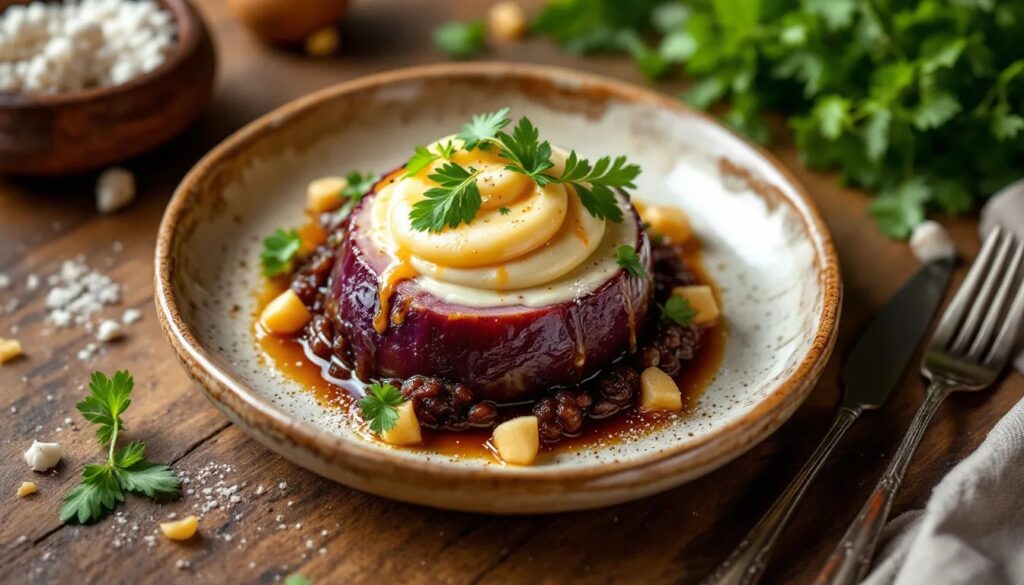
Evoking the elegance of classic home entertaining, this exquisite Eggplant Timbale transforms humble ingredients into a show-stopping savory delight. Imagine tender, golden-brown eggplant layers meticulously composed with a vibrant, slow-cooked tomato and garlic confit, enriched with a creamy, tangy yogurt infusion. The result is a harmonious symphony of flavors and textures, gracefully presented as a magnificent centerpiece or a sophisticated accompaniment to any festive gathering. It’s a comforting dish with an undeniable flair, offering both substance and style.
Ingredients
-
3 to 4
small eggplants
eggplant
(about 2 pounds), stems discarded, cut into 3/8-inch slices -
as needed
salt
for sprinkling eggplant -
2/3
cup
olive oil -
1
medium
onion
finely chopped -
as needed
salt and pepper
for seasoning sauce -
1
large
garlic clove
crushed -
½
cup
chicken stock -
1
cup
plain yogurt -
10
fresh tomatoes
peeled, seeded and chopped OR 4 cups Italian-style plum tomatoes, drained and chopped
Instructions
-
To prepare the eggplant, generously sprinkle the sliced rounds with fine salt and allow them to rest for 30 minutes; this crucial step encourages the release of excess moisture and any potential bitterness. Thoroughly rinse the slices under cool running water, then gently pat them completely dry using a clean kitchen towel.
-
In a substantial skillet, warm approximately 2-3 tablespoons of the olive oil over medium-high heat until it begins to shimmer. Working in small batches to avoid overcrowding, gently sauté the eggplant slices until they achieve a delicate golden hue on both sides. Replenish the olive oil from the total 2/3 cup as needed. Once browned, transfer all sautéed eggplant slices to a separate plate and set aside.
-
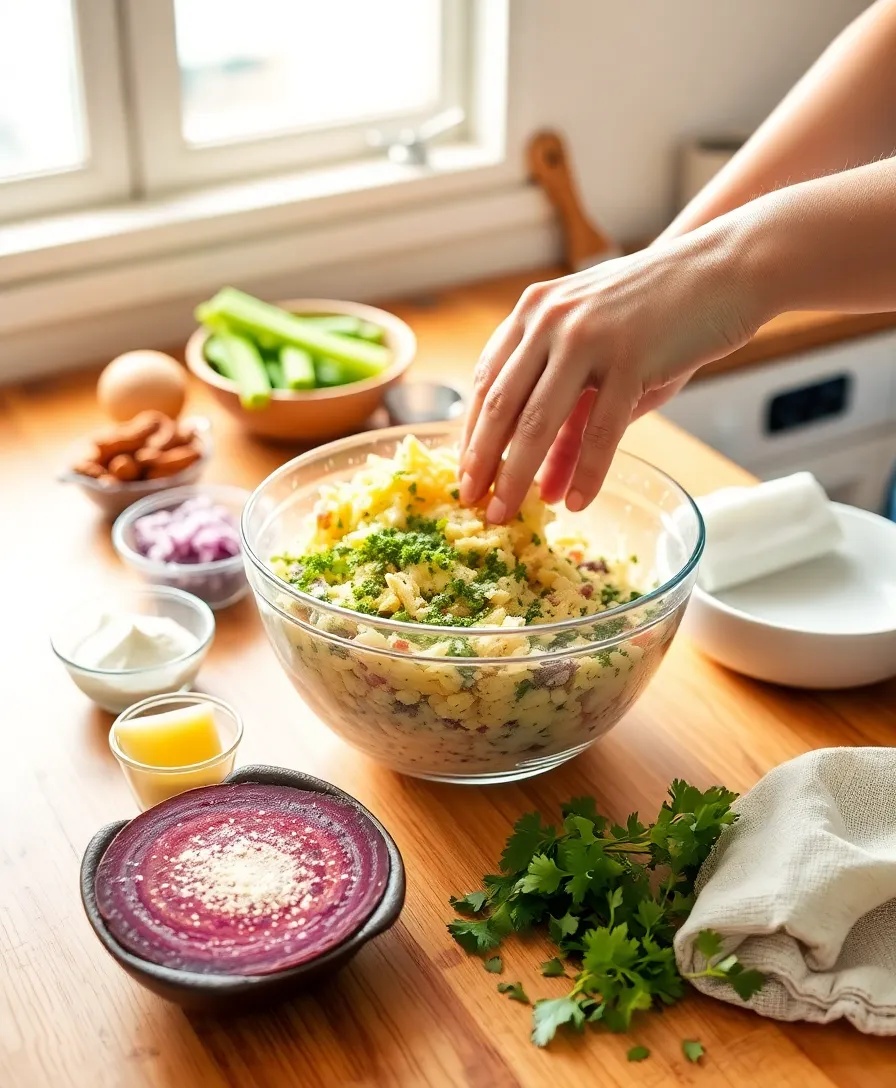
Utilizing the same skillet, add a touch more olive oil if necessary, then introduce the finely chopped onion. Sauté until translucent and softened, which should take about 5 to 7 minutes. Incorporate the chopped tomatoes and crushed garlic, then season judiciously with salt and freshly ground pepper. Continue to cook, stirring occasionally, allowing the mixture to gently reduce and thicken into a rich, pulpy consistency over approximately 20 to 25 minutes. This forms the foundation of your robust tomato base.
-
Carefully spoon out about one-third of the concentrated tomato mixture and reserve it. This portion will serve as the exquisite accompanying sauce for your finished creation.
-
Return to the remaining two-thirds of the tomato mixture in the skillet. Stir in the ½ cup chicken stock and the plain yogurt until all ingredients are thoroughly blended and the mixture is smooth and creamy. This enriched tomato-yogurt concoction is now ready for layering.
-
Preheat your oven to a temperate 350°F (175°C), preparing it for the mold’s gentle bake.
-
Line the base of a 2-quart charlotte mold, or an equivalent oven-safe vessel, with one whole, sautéed eggplant slice. Halve the remaining sautéed eggplant slices, preparing them for the intricate layering ahead.
-
Commence building your elegant layers: arrange the halved eggplant slices in an artful pattern of overlapping concentric circles. Over each layer of eggplant, spread an even, delicate coating of the tomato-yogurt mixture. Continue this rhythmic layering until both the eggplant and the creamy tomato-yogurt blend are fully utilized, ensuring the final layer is composed of eggplant.
-
Securely cover the filled mold with aluminum foil. Bake in the preheated oven for approximately 40 to 50 minutes, or until the eggplant yields to a fork with exceptional tenderness. Crucially, allow the mold to cool completely to room temperature before attempting to invert and unmold.
-
For serving, delicately invert the cooled eggplant mold onto an elegant serving platter. In a small saucepan, gently rewarm the reserved one-third of the tomato mixture, adding a mere splash of chicken stock or water to achieve a fluid consistency, about 2 to 3 minutes. Gracefully spoon this vibrant sauce around the base of the unmolded timbale.
-
Present this magnificent dish either pleasantly warm or at a sophisticated room temperature, as preferred.
Recipe Notes
Elevate your entertaining by preparing the eggplant and the entire sauce components up to 24 hours in advance. Store them impeccably covered within the refrigerator. Before the final bake or service, allow them to gently return to room temperature for optimal flavor and texture.
Consider an Optional Culinary Flourish: Sautéed Cucumber Garnish (yielding enough for 6 to 8 servings). Just prior to serving, melt a whisper of butter in a skillet. Add thinly sliced cucumbers, a pinch of salt, and a grind of pepper. Sauté over medium heat for 4 to 5 minutes until just tender-crisp. Finish with a generous sprinkle of fresh parsley and serve immediately alongside your elegant timbale.
Global Heritage Archive
Anthropological & Spice Migration Record
“A culinary tradition that embraces fresh, seasonal produce, the richness of olive oil, and the tangy depth of dairy, often serving dishes as comforting mains or part of vibrant mezze.”
🌿 Spice & Botanical Migration
Eggplant (Solanum melongena) originated in Southeast Asia (likely India or China) and migrated westward through Persia and the Arab world, reaching the Mediterranean by the early Middle Ages. Black pepper (Piper nigrum), native to the Malabar Coast of India, was a cornerstone of ancient trade routes like the Spice Route, eventually becoming a global seasoning. Tomatoes (Solanum lycopersicum), indigenous to the Andes of South America, were introduced to Europe via the Columbian Exchange in the 16th century, rapidly becoming integral to Mediterranean and Middle Eastern cuisines by the 18th and 19th centuries.
🏺 Historical & Archaeological Record
The oldest archaeobotanical evidence of domesticated eggplant seeds comes from a site in India, dating back over 4,000 years. Archaeological evidence for dairying, including fermented products like yogurt, dates back to 6500 BCE in Anatolia (modern-day Turkey), where residue analysis on pottery has shown milk fats. While not a specific eggplant mold recipe, ancient Roman cookbooks like Apicius (4th century CE) describe dishes involving layering vegetables and meats which could be pressed or set, demonstrating early concepts of structured food presentation.
💡 Little Known Facts
- The word “eggplant” in English evolved from the fruit’s resemblance to a goose egg, but its original Sanskrit name, *vatingana*, led to derivatives like *badanjan* in Arabic and *melanzana* in Italian, which means “mad apple” due to old beliefs about its ability to cause insanity.
- Yogurt, a cornerstone of this dish, dates back potentially 10,000 years, believed to have been discovered accidentally by nomadic peoples in Central Asia when milk was stored in animal skin containers, causing natural fermentation.
📸 Made This Heritage Recipe?
We would love to see how your dish turned out! Send a photo of your culinary creation to [email protected] to be featured in our community gallery.
Leave a review and rate this recipe below!
Curated Literature & Washington DC Downtown Calendar
The Culinary Alchemist: Modern Gastronomy & Flavor Pairing
By LDN Gastronomy Series
Artisanal technique, seasonal sourcing, and kitchen mastery.
Upcoming Downtown Happenings
Live acoustic sessions, gallery receptions, literary salons, and independent trade shows across Washington DC.
