
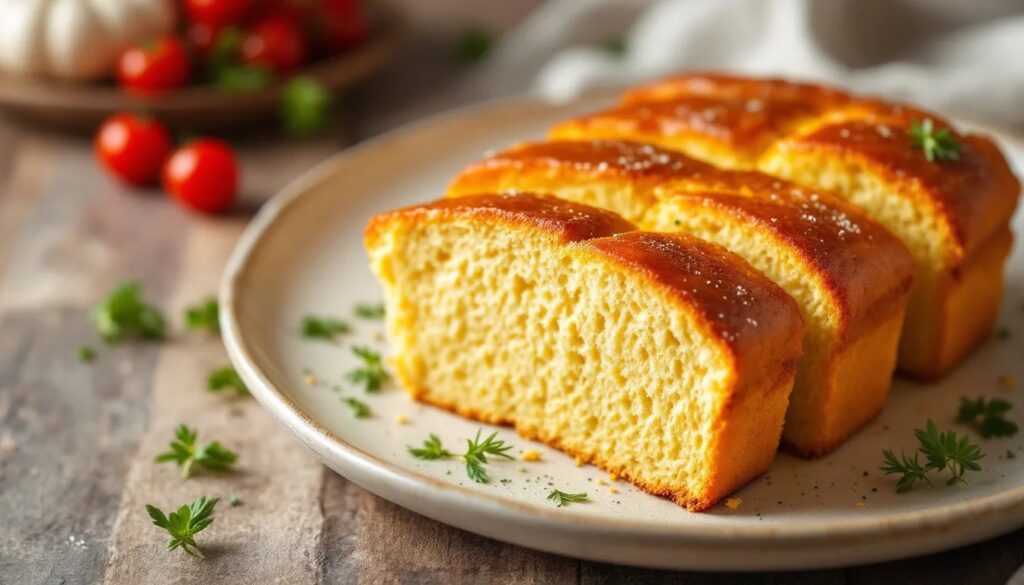
The very name “Eggnog Bread” evokes images of crackling fires, festive gatherings, and the comforting aroma of holiday baking. It’s more than just a recipe; it’s a culinary embrace of winter cheer, a rich tapestry woven from centuries of tradition and global ingredient migration. This delightful loaf is a testament to the ingenuity of home bakers who sought to capture the creamy, spiced essence of a beloved seasonal drink in a tender, sliceable form.
Its roots twist and turn from the ancient world to the colonial hearth. Eggnog itself is a descendant of medieval European “possets”—warm, milky, often alcoholic beverages used as tonics or celebratory drinks. These rudimentary precursors, typically made with eggs, milk, and ale or wine, crossed the Atlantic with European settlers, particularly the British. In the New World, with its abundant dairy farms and easier access to rum (thanks to Caribbean trade), eggnog evolved into the potent, creamy concoction we know today, becoming an indispensable part of Anglo-American holiday festivities and a symbol of hospitality.
The transformation of eggnog from drink to bread represents a distinctly American culinary innovation, marrying the liquid gold of the holidays with the enduring tradition of sweet, enriched loaves. While European cuisines boast their own venerable traditions of fruit and nut breads – from Italy’s panettone to Germany’s stollen – the “quick bread” format, often leavened with baking powder rather than yeast, is a characteristic hallmark of American baking from the 19th century onwards. This convenience allowed home cooks to create delicious, comforting loaves without the lengthy proving times of traditional yeast breads, perfectly suiting a bustling holiday kitchen.
The ingredients themselves tell stories of interconnectedness. The flour, a staple since ancient civilizations, likely wheat from European agricultural traditions that migrated to the Americas. Sugar, once a rare luxury from Southeast Asia, became widely accessible through the sugar plantations of the Caribbean and the Columbian Exchange, sweetening palates across continents. Raisins, dried grapes, carry echoes of ancient Mediterranean and Middle Eastern preservation techniques, their chewy sweetness a timeless counterpoint to richer flavors. Candied cherries, too, speak to a long history of fruit preservation and their traditional role in festive baking across Europe.
But it is the pecan that firmly anchors Eggnog Bread to American soil. Native to the river valleys of North America, particularly the Southern United States and Mexico, pecans were a crucial food source for Indigenous peoples long before European arrival. Their buttery crunch and distinct flavor lend a unique character that is unmistakably North American. Their inclusion here signifies a beautiful marriage of imported culinary heritage with indigenous bounty, creating a dish that is deeply resonant with American identity.
To achieve the perfect Eggnog Bread, attention to detail is key. Ensure your butter and eggs are at room temperature for optimal emulsification, leading to a tender crumb. Avoid overmixing the batter once the flour is added; this can develop the gluten too much, resulting in a tough bread. The gentle folding of pecans and candied cherries ensures even distribution. A slow bake at a moderate temperature allows the loaf to cook through evenly without browning too quickly. Serve warm with a dusting of powdered sugar, perhaps alongside an extra glass of eggnog, and savor a slice of history, comfort, and holiday cheer. This bread is more than just a treat; it’s a narrative of cultural exchange, a celebration of regional ingredients, and a delicious legacy passed down through generations.
EGGNOG BREAD
Embark on a culinary journey that captures the cherished essence of the holidays, masterfully distilled into an exquisite quick bread. This tender loaf is a celebration of rich, spiced eggnog, artfully interwoven with fragrant warming spices, then studded generously with jewel-toned candied cherries, plump raisins, and satisfyingly crunchy pecans. It’s an elevated confection, perfect for gracing your breakfast table, adding panache to a brunch spread, or simply offering a comforting moment of indulgence with your afternoon tea. Rooted in a time-honored American baking tradition, this recipe provides an elegant solution for seasonal eggnog surpluses or a delightful pretext to savor its unique, creamy character any time of year.
Ingredients
-
1/4
cup
butter or margarine
melted -
2
eggs
beaten -
2
tsp
baking powder -
1
cup
eggnog -
1/2
cup
raisins -
1/4
cup
sugar -
2 1/2
cups
flour -
1
tsp
salt -
1/2
cup
pecans
chopped -
1/2
cup
candied cherries
chopped
Instructions
-
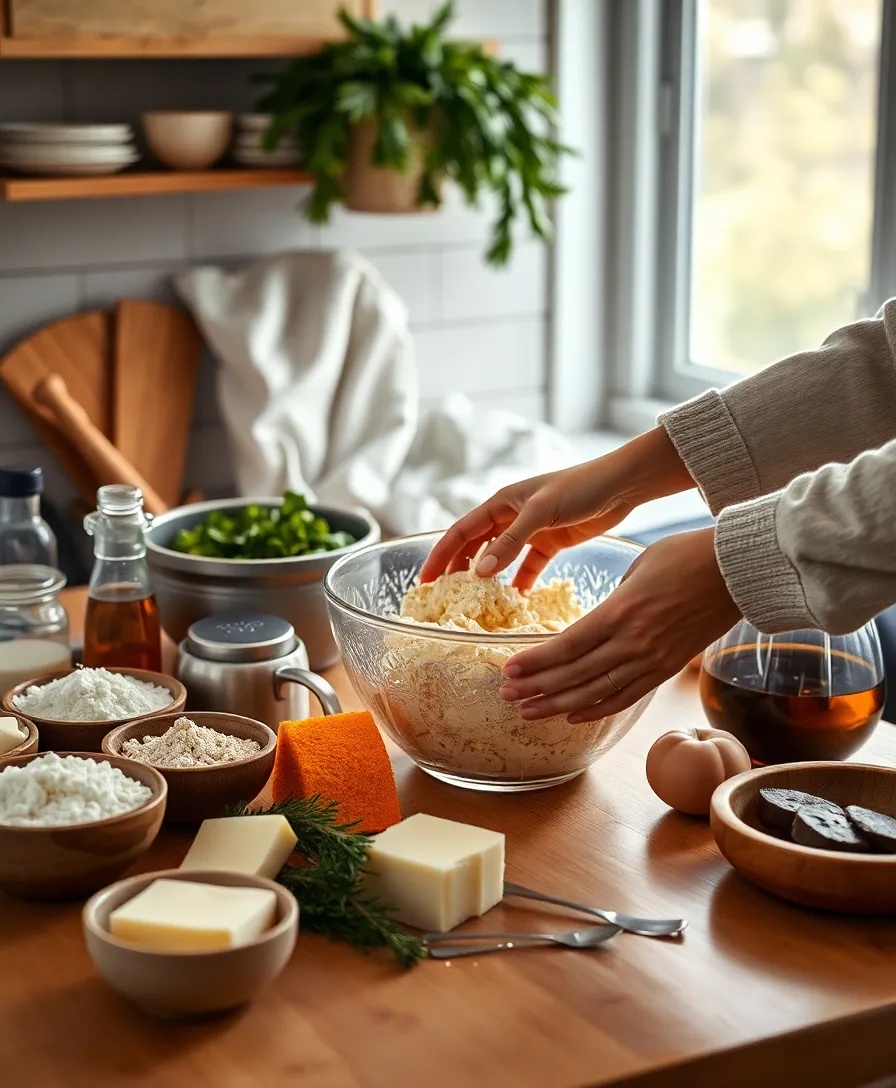
In a spacious mixing bowl, thoroughly combine the velvety melted butter (or its margarine counterpart), the granulated sugar, and the frothy, whisked eggs, ensuring a perfectly homogenous foundation.
-
In a separate vessel, prepare your dry blend by sifting together the all-purpose flour, the leavening baking powder, and a delicate pinch of salt.
-
Gradually incorporate the prepared dry components into the butter mixture, alternating with measured additions of the spiced eggnog, stirring gently to integrate.
-
Continue mixing only until the dry ingredients have just become moistened and integrated; exercise caution to prevent overmixing, which can result in a tougher crumb.
-
Delicately fold in the roughly chopped pecans, the plump raisins, and the vibrant candied cherries until they are evenly dispersed throughout the luxurious batter.
-
Carefully spoon the prepared batter into a loaf pan, previously anointed with a thin layer of grease, ensuring an even distribution for optimal baking.
-
Transfer to a preheated oven at 350 degrees Fahrenheit (175 degrees Celsius) and bake for approximately 70 minutes, or until a slender skewer inserted into the very heart of the loaf emerges impeccably clean.
-
Allow the baked loaf to repose within its pan for a brief period before transferring it to a wire rack to achieve complete cooling prior to slicing and serving.
Recipe Notes
Our esteemed contributor, Char Hall, offers an intriguing culinary insight: the distinctive richness of eggnog can also serve as a magnificent base for yeast-leavened doughs. She suggests employing scalded eggnog as a flavorful and aromatic substitute for traditional scalded milk, offering a unique dimension to classic bread preparations.
Global Heritage Archive
Anthropological & Spice Migration Record
“A celebratory culinary tradition centered around rich, sweet baked goods, often featuring seasonal flavors and local ingredients, particularly during the winter holidays.”
🌿 Spice & Botanical Migration
The pecans, a defining feature, are native to North America. The sugar, while now globally ubiquitous, traces its botanical origins to New Guinea, spreading via ancient trade routes to India and the Middle East, before its massive expansion through colonial plantations in the Americas. The spices inherently present in eggnog, such as nutmeg from the Banda Islands and cinnamon from Sri Lanka, were once exclusive luxuries brought to Europe via the ancient Spice Routes, dramatically impacting global trade and culinary traditions.
🏺 Historical & Archaeological Record
The concept of sweetened, leavened baked goods with fruit inclusions can be traced back to ancient civilizations. Archaeological evidence from ancient Egypt (circa 1500 BCE) shows leavened bread, while the Roman Empire saw the creation of honey-sweetened cakes like ‘libum’ and fruit-studded ‘satura’. However, the specific technique of using chemical leavening like baking powder to create a ‘quick bread’ of this type is a 19th-century innovation, making the modern Eggnog Bread a relatively recent development rooted in much older traditions.
💡 Little Known Facts
- The precise etymology of “eggnog” is debated, with theories linking it to ‘noggin’ (a small wooden mug) or ‘grog’ (a strong alcoholic drink).
- Pecans are the only major tree nut native to North America, playing a significant role in Indigenous diets for thousands of years before European arrival.
📸 Made This Heritage Recipe?
We would love to see how your dish turned out! Send a photo of your culinary creation to [email protected] to be featured in our community gallery.
Leave a review and rate this recipe below!
Curated Literature & Washington DC Downtown Calendar
The Culinary Alchemist: Modern Gastronomy & Flavor Pairing
By LDN Gastronomy Series
Artisanal technique, seasonal sourcing, and kitchen mastery.
Upcoming Downtown Happenings
Live acoustic sessions, gallery receptions, literary salons, and independent trade shows across Washington DC.
