
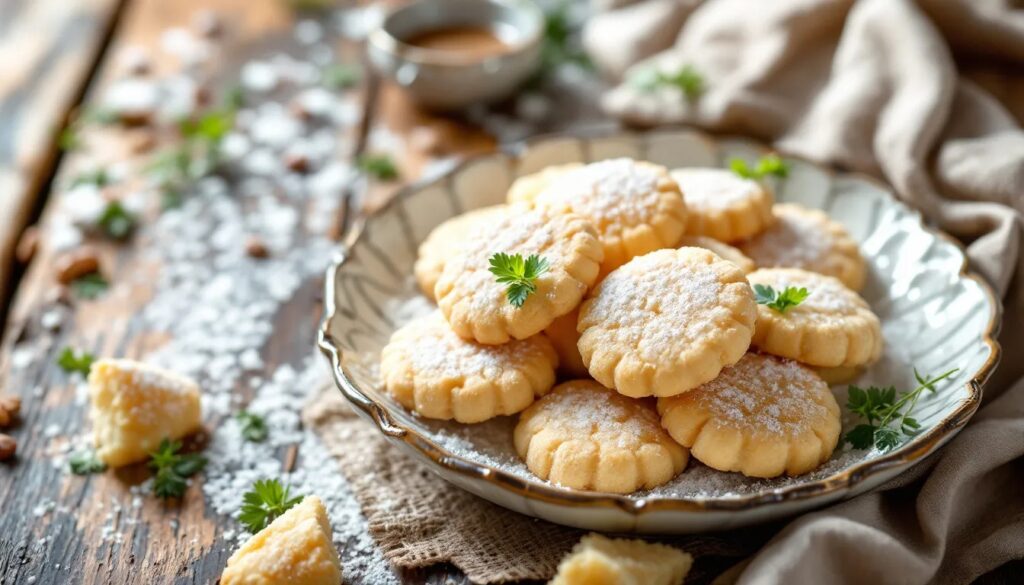
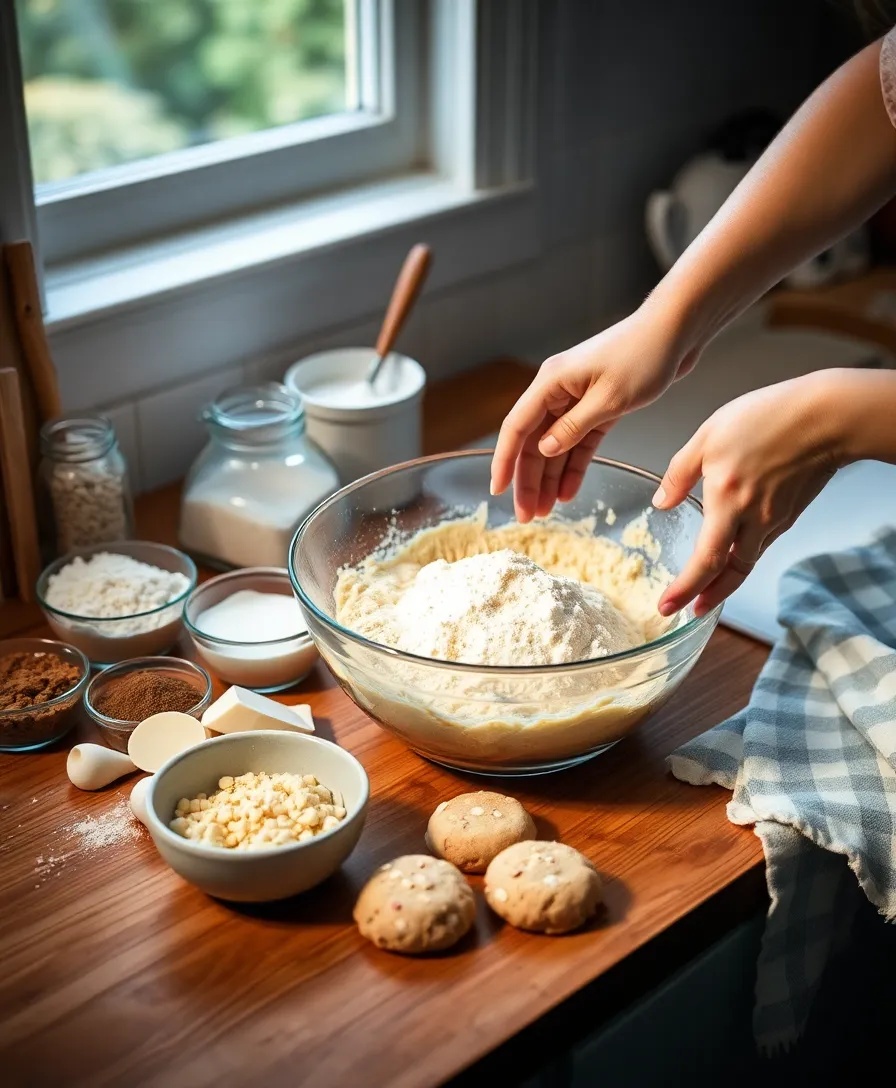
The humble Drop Sugar Cookie, often overlooked amidst a pantheon of more flamboyant confections, holds a secret history as rich and layered as its delicately crinkled surface. It’s more than just a sweet treat; it’s a tangible link to culinary migration, a testament to evolving technology, and a warm embrace of home comfort that has defined American kitchens for generations. To truly appreciate this unassuming delight is to embark on a journey through centuries of human ingenuity, global trade, and the heartwarming quest for simple pleasures.
Our story begins not in America, but across the Atlantic, in the hearty baking traditions of Europe. While the “sugar cookie” as we know it is distinctly American, its DNA can be traced back to the *koekjes* of Dutch settlers or the *Zuckerkuchen* (sugar cakes) brought by German immigrants to colonial America, particularly in regions like Pennsylvania. These early ancestors were often simpler, perhaps more akin to shortbreads, relying on butter, flour, and sugar – ingredients that spoke of agrarian abundance and a growing desire for sweetness. They were celebratory fare, a luxury for special occasions, baked in hearths and brick ovens.
The transformation into the quintessential American “drop sugar cookie” gained momentum in the 19th and early 20th centuries, propelled by a confluence of factors. The widespread availability of granulated sugar, thanks to the labor-intensive sugar plantations of the New World, democratized sweetness, making it accessible to nearly every household. White flour, increasingly refined, offered a consistent base. But perhaps the most pivotal ingredient in shaping the modern sugar cookie was the advent of chemical leaveners. Baking soda, and later baking powder, allowed for a lighter, softer texture than their dense European forbears, creating cookies that spread and puffed with delightful elasticity. This was a distinctly American innovation, embracing efficiency and convenience in the home kitchen.
The choice of fat is another fascinating marker. Early recipes would have exclusively called for butter, lending a rich, unmistakable flavor. However, the 20th century saw the rise of hydrogenated vegetable shortening – Crisco being a prime example. This shelf-stable, flavor-neutral fat offered bakers a cheaper alternative and often resulted in a tenderer crumb and less spread, appealing to a desire for specific textures. The common instruction “butter or margarine, and shortening” in many vintage recipes perfectly encapsulates this period of transition, reflecting both economic considerations and evolving palates. Vanilla, too, plays a crucial role, its exotic warmth whispering tales of distant lands. Originally cultivated by the Totonac people of Mexico, its journey to the global spice cabinet required centuries of discovery and trade, making it a ubiquitous, yet often unacknowledged, global traveler in our kitchens.
The “drop” method itself is a testament to the pragmatism of the American home baker. Eschewing the rolling, cutting, and decorating often associated with sugar cookies, the drop technique prioritizes speed and simplicity. A quick scoop, a dollop onto a baking sheet, and into the oven they go – perfect for busy homemakers seeking to provide comforting treats without excessive fuss. This accessibility cemented its place in family recipes, potlucks, and school bake sales.
For the modern baker looking to recreate this classic, a few tips can ensure perfection. Creaming the butter (or fat blend) and sugar thoroughly is paramount for a light texture. Don’t overmix after adding the flour; just combine until no streaks remain to avoid tough cookies. Chilling the dough, even for a short while, can help prevent excessive spreading. And always err on the side of slightly underbaking for a chewier, more tender result.
The Drop Sugar Cookie, in its beautiful simplicity, is more than just ingredients combined. It is a chronicle of culinary adaptation, a symbol of domestic artistry, and a timeless reminder of the profound connections forged by food across continents and generations. Each bite offers not just sweetness, but a taste of history itself.
DROP SUGAR COOKIES
Journey back to the quintessential embrace of classic home baking with our refined Drop Sugar Cookies. Each delicate confection is a testament to timeless simplicity, offering a symphony of tender texture and perfectly balanced sweetness that melts delightfully on the palate. Whether gracing a festive spread or offering a moment of quiet indulgence, these beloved treats evoke a comforting nostalgia, promising a joyous smile with every exquisite bite.
Ingredients
-
2
cups
flour -
1/2
teaspoon
baking soda -
1/2
teaspoon
salt -
1/2
cup
butter or margarine -
1/2
cup
shortening -
1
cup
sugar -
1
teaspoon
vanilla -
1
egg -
2
Tablespoons
milk
Instructions
-
For optimal emulsion and a superior texture, ensure all butter, shortening, eggs, and milk are brought to a gentle room temperature before commencing preparation.
-
In a separate vessel, meticulously sift together the all-purpose flour, baking soda, and fine sea salt, ensuring a light and aerated dry mixture.
-
In the bowl of a stand mixer fitted with the paddle attachment, or with a hand mixer, combine the softened butter (or margarine), shortening, granulated sugar, and pure vanilla extract. Beat on medium speed until the mixture achieves a pale, light, and wonderfully fluffy consistency. Incorporate the large egg, continuing to beat until fully blended and the batter is visibly aerated and smooth.
-
Gradually introduce the prepared dry ingredients into the wet mixture, mixing on low speed until just combined and a uniform, smooth dough forms. Exercise caution not to overmix.
-
Gently incorporate the fresh milk, blending until it is fully absorbed and the dough achieves a pliable consistency.
-
Using a measured teaspoon, carefully drop rounded portions of dough onto an ungreased baking sheet, allowing ample space between each cookie for optimal spreading.
-
Dip the bottom of a drinking glass into a small dish of granulated sugar, then gently press down on each dough mound to flatten it into an even disk. Re-dip the glass in sugar as needed to prevent sticking.
-
Transfer the baking sheet to a preheated oven set to 400°F (200°C). Bake for approximately 10-12 minutes, or until the edges are lightly golden and the centers are just set.
-
Allow the baked cookies to cool on the baking sheet for a few minutes before transferring them to a wire rack to cool completely, ensuring they firm up beautifully.
Recipe Notes
Achieving the perfect dough consistency and tender crumb relies on ensuring all refrigerated components (butter, shortening, eggs, milk) are at true room temperature prior to mixing. Furthermore, it is crucial that your baking sheets remain entirely ungreased; this ensures the cookies achieve their characteristic delicate structure and prevents an overly oily texture.
Global Heritage Archive
Anthropological & Spice Migration Record
“This humble recipe embodies the accessible, comforting, and adaptable spirit of American home baking, shaped by both frugality and an evolving taste for sweet treats.”
🌿 Spice & Botanical Migration
Vanilla, the primary flavoring agent (and a true spice), originates from the fruit of an orchid native to Mesoamerica (modern-day Mexico). It was introduced to Europe by Spanish conquistadors and its global spread as a culinary staple was facilitated by the discovery of hand-pollination methods in the 19th century, allowing cultivation outside its native region. While not a spice, the ubiquitous granulated sugar in this recipe, initially a luxury from Southeast Asia, became accessible in Western households through colonial plantation systems and the Columbian Exchange, profoundly shaping the sweetness profile of such dishes.
🏺 Historical & Archaeological Record
The earliest known archaeological evidence of small, sweetened cakes, precursors to modern cookies, dates back to 7th century AD Persia (modern-day Iran), shortly after sugar became more widely available in the region. These early forms were often baked on flat griddles or in simple ovens, establishing the concept of portioned, sweetened dough that eventually led to diverse cookie types, including the simpler ‘drop’ technique.
💡 Little Known Facts
- The earliest known recipe for a sugar cookie-like pastry in America dates back to Nazareth, Pennsylvania, in the mid-18th century, called the Nazareth Cookie, brought by German Protestant settlers.
- The advent of commercial hydrogenated shortening (like Crisco, introduced in 1911) profoundly influenced American baking, offering a cheaper, shelf-stable, and flavor-neutral alternative to butter, leading to new textures and formulations in many cookie recipes.
📸 Made This Heritage Recipe?
We would love to see how your dish turned out! Send a photo of your culinary creation to [email protected] to be featured in our community gallery.
Leave a review and rate this recipe below!
Curated Literature & Washington DC Downtown Calendar
The Culinary Alchemist: Modern Gastronomy & Flavor Pairing
By LDN Gastronomy Series
Artisanal technique, seasonal sourcing, and kitchen mastery.
Upcoming Downtown Happenings
Live acoustic sessions, gallery receptions, literary salons, and independent trade shows across Washington DC.
