
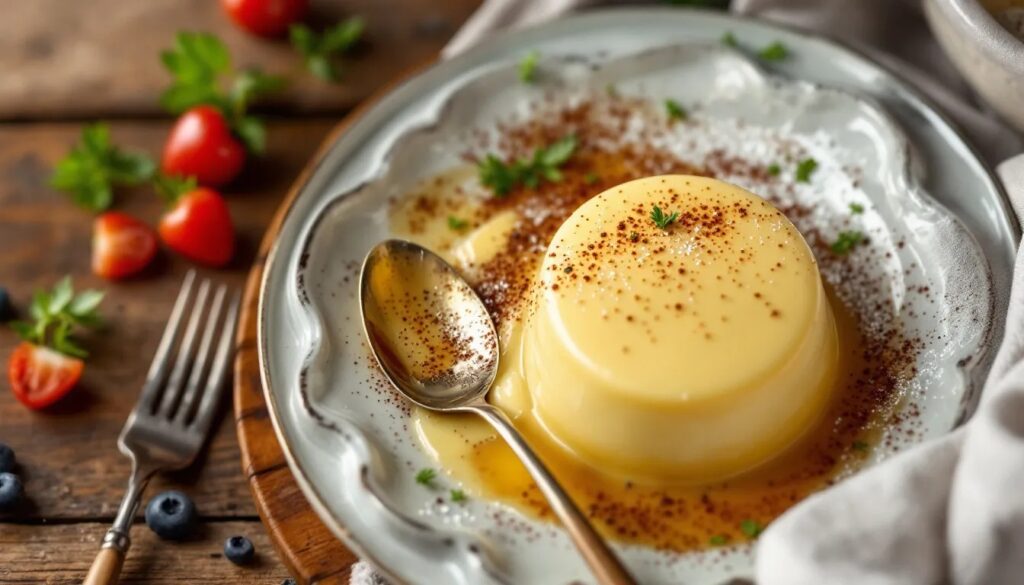
At the heart of French patisserie, a cornerstone of culinary elegance and engineering, lies Crème Pâtissière: a seemingly simple “boiled custard” that is anything but. This velvety, rich cream is the silent hero, the foundational spirit underpinning a staggering array of iconic desserts, from the pillowy perfection of an éclair to the vibrant artistry of a fruit tart, and the layered grandeur of a mille-feuille. To understand Crème Pâtissière is to embark on a journey through centuries of culinary innovation, global trade, and a profound appreciation for the alchemy of ingredients.
Its origins are deeply intertwined with the evolution of European, and specifically French, cuisine. While rudimentary custards—mixtures of eggs and milk, often sweetened—have existed since Roman times, evidenced in texts like Apicius’s “De Re Coquinaria,” the refinement into Crème Pâtissière as we know it is a triumph of the French kitchen. The critical innovation was the incorporation of flour (or sometimes cornstarch) which acts as a stabilizer. This starch allows the cream to be heated to a boiling point without the eggs curdling, resulting in a thick, stable, and smooth consistency that can be piped, spread, and hold its shape – essential qualities for intricate pastry work. This technique solidified its place in French culinary literature and practice during the 17th and 18th centuries, marking a distinct departure from simpler, less stable custards.
The ingredients themselves tell a compelling story of human migration and interconnectedness. Granulated sugar, once a rare luxury, began its journey from New Guinea, traveling through India and Persia, before being introduced to Europe by Arab traders. Its increasing availability, albeit often tragically linked to colonial expansion and slave labor, revolutionized European sweets. Vanilla, the exotic perfume that elevates Crème Pâtissière from mere sweetness to fragrant indulgence, hails from the rainforests of Mesoamerica, cultivated by the ancient Totonac people in what is now Mexico. It arrived in Europe via the Spanish conquistadors after the Columbian Exchange, initially a botanical curiosity, and later a global commodity once the secret of hand-pollination was discovered in the 19th century, allowing its cultivation far beyond its native lands. Wheat, the source of our all-purpose flour, traces its lineage back to the Fertile Crescent, forming the bedrock of agricultural civilizations and European baking for millennia. Milk and eggs, staples from domesticated animals, speak to ancient human ingenuity in harnessing nature’s bounty.
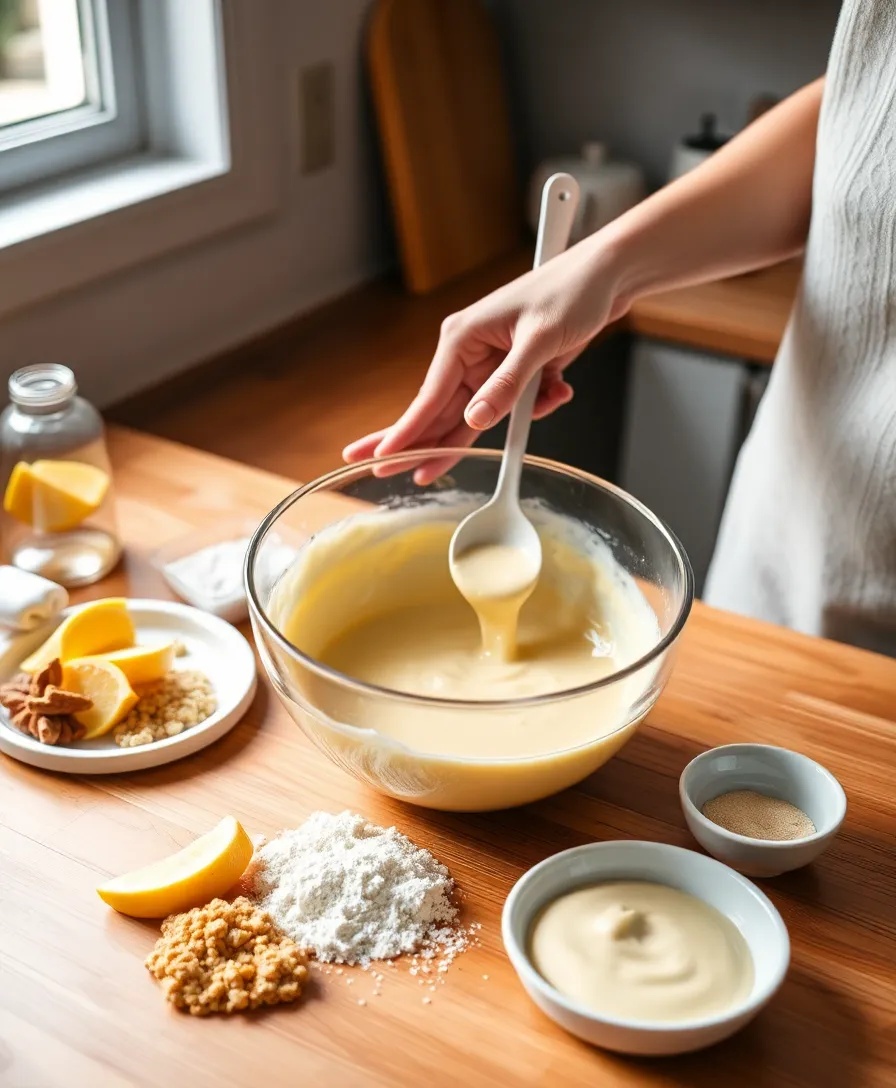
Mastering Crème Pâtissière is a rite of passage for any aspiring pastry chef, yet it is eminently achievable in the home kitchen. The process demands patience and a gentle hand: whisking egg yolks, sugar, and flour into a pale ribbon, then slowly tempering with hot, vanilla-infused milk, before returning it to the heat. The crucial moment arrives as it thickens to a boil, requiring constant whisking to prevent lumps and ensure a silken texture. The final addition of butter lends a luxurious sheen and unparalleled richness. Cooling it quickly over an ice bath, covered tightly to prevent a skin from forming, is just as vital as the cooking itself. The reward is a testament to culinary history, a versatile foundation that invites endless creativity, and a deeply satisfying taste of refined tradition. Every spoonful of Crème Pâtissière is a delicious echo of global exchange, scientific understanding, and artistic dedication, a true celebration of human achievement in the gastronomic arts.
Crème Patissière: (Boiled Custard)
A true cornerstone of French pâtisserie, Crème Pâtissière, affectionately known to some as a refined ‘boiled custard,’ stands as an unrivaled testament to culinary artistry. This sumptuously smooth, intensely vanilla-perfumed cream is an indispensable canvas for countless dessert creations. Its luxurious mouthfeel and rich, delicate flavor offer a harmonious counterpoint to the crisp architecture of flaky pastries, the tender embrace of brioche, or the vibrant burst of seasonal berries, elevating every indulgence to a sublime experience.
Ingredients
-
1½
cups
granulated sugar -
5
None
egg yolks -
¾
cup
all-purpose flour -
2
None
whole eggs -
4
cups
milk
brought to a boil -
4
teaspoons
vanilla -
1
Tablespoon
butter
softened -
½
cup
butter
softened, optional
Instructions
-
Gently heat the milk in a heavy-bottomed saucepan over medium heat until it just begins to simmer, evidencing tiny bubbles around the edge. Remove it from the heat immediately.
-
In a separate, capacious mixing bowl, combine the egg yolks, granulated sugar, and whole eggs. Employ a sturdy wire whisk to beat the mixture vigorously until it transforms into a pale, voluminous ribbon that slowly falls from the whisk.
-
Delicately sift the all-purpose flour into the aerated egg mixture, then whisk until thoroughly incorporated and entirely smooth, ensuring no lumps remain.
-
With a steady hand, gradually stream approximately half of the warm milk into the egg and flour concoction, whisking continuously to gently temper the eggs and prevent curdling.
-
Carefully pour this tempered egg mixture back into the saucepan containing the remaining warm milk, stirring consistently to ensure complete integration.
-
Return the saucepan to medium heat and, employing a heat-resistant spatula or whisk, stir the mixture without cessation. Continue until it reaches a full, rolling boil.
-
As the cream attains its boiling point, you will observe a dramatic transformation in its consistency; it will rapidly thicken into a luscious, pudding-like sauce.
-
Upon reaching this thickened state, reduce the heat to low and persist in cooking for an additional two to three minutes, maintaining constant stirring to cook out the flour and prevent any scorching on the bottom of the pan.
-
Promptly transfer the freshly cooked crème pâtissière into a clean, shallow bowl. Stir in the pure vanilla extract, ensuring its aromatic essence is evenly distributed.
-
To safeguard against the formation of an undesirable skin, immediately place a piece of plastic film directly onto the surface of the warm cream, pressing it gently to make full contact. Alternatively, dot the entire surface with small cubes of unsalted butter.
Recipe Notes
This meticulous preparation yields approximately six opulent cups of Crème Pâtissière, an ideal volume for orchestrating a grand batch of classic Napoleons, exquisitely filling a dozen éclairs, or serving as the foundational bliss for an assortment of fruit tarts and elegant trifles. Ensure the cream is thoroughly chilled before its final application for optimal texture and stability.
Global Heritage Archive
Anthropological & Spice Migration Record
“French patisserie, renowned for its refined techniques, elegant presentations, and the foundational role of this versatile cream in an array of classic desserts.”
🌿 Spice & Botanical Migration
The sole “spice” in Crème Pâtissière is vanilla, a prized flavor derived from an orchid native to Mesoamerica, specifically the Totonac lands of Mexico. Spanish conquistadors introduced vanilla to Europe after the Columbian Exchange in the 16th century, though its widespread cultivation outside of Mexico only became possible in the 19th century with the discovery of hand-pollination, leading to its global spread, notably to Madagascar and Réunion.
🏺 Historical & Archaeological Record
While ancient Roman cookbooks like Apicius’s “De Re Coquinaria” (4th-5th century AD) describe early egg-thickened milk preparations, recipes for a distinctly stabilized, starch-thickened pastry cream akin to Crème Pâtissière primarily emerge in European, particularly French, culinary texts from the 17th and 18th centuries, marking a refinement of earlier custard traditions.
💡 Little Known Facts
- The name “Crème Pâtissière” literally translates to “pastry cream,” highlighting its fundamental role as a filling and base for countless French desserts, from éclairs to fruit tarts.
- Its stability, achieved by incorporating flour or cornstarch, is crucial as it prevents the eggs from curdling when heated to a boil, a distinguishing factor from thinner, less stable custards.
📸 Made This Heritage Recipe?
We would love to see how your dish turned out! Send a photo of your culinary creation to [email protected] to be featured in our community gallery.
Leave a review and rate this recipe below!
Curated Literature & Washington DC Downtown Calendar
The Culinary Alchemist: Modern Gastronomy & Flavor Pairing
By LDN Gastronomy Series
Artisanal technique, seasonal sourcing, and kitchen mastery.
Upcoming Downtown Happenings
Live acoustic sessions, gallery receptions, literary salons, and independent trade shows across Washington DC.
