
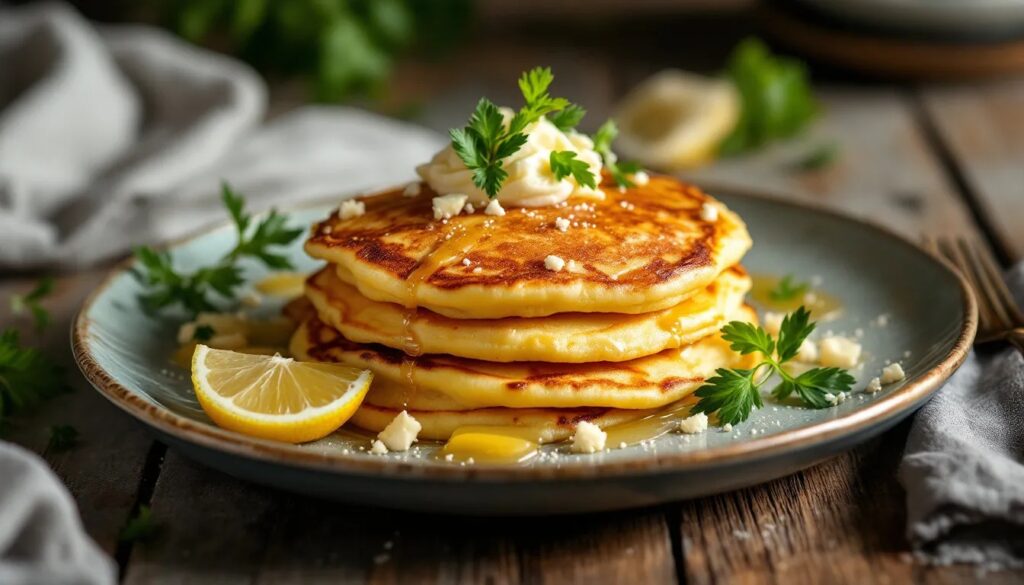
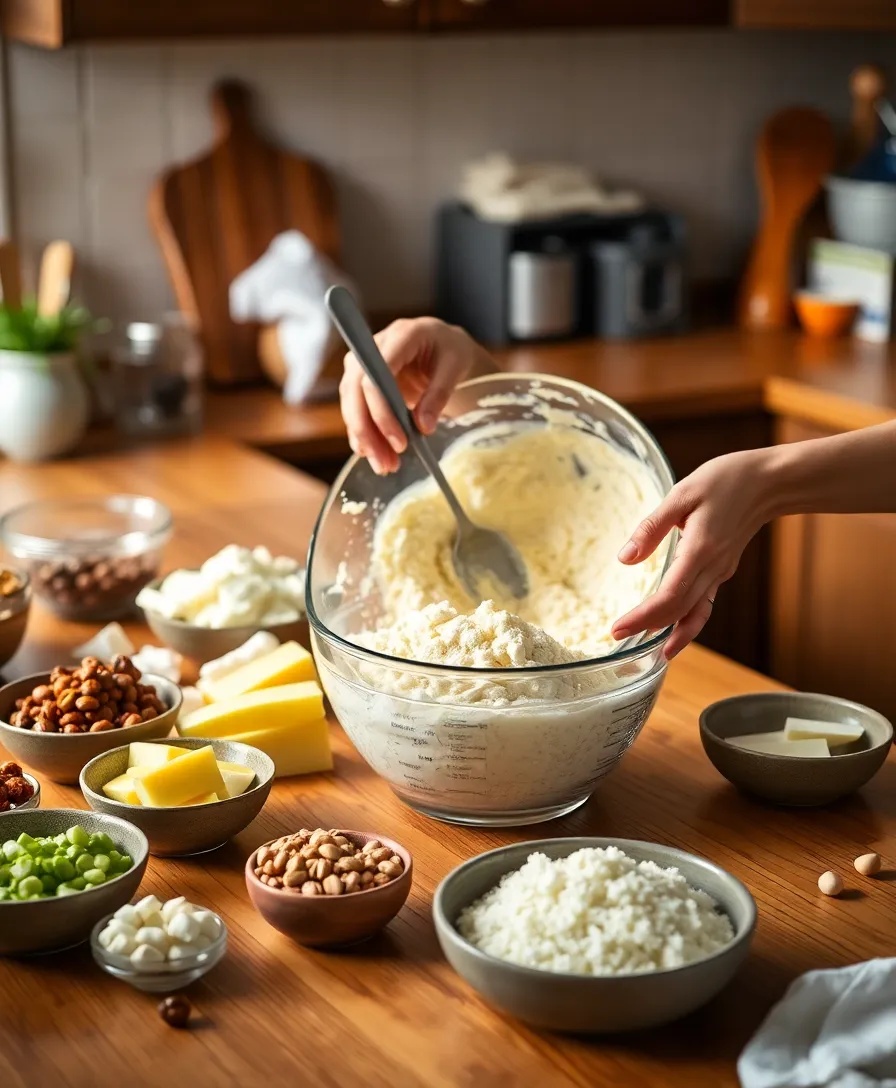
The humble pancake, a breakfast staple cherished across continents, finds a particularly ethereal expression in “Madeline’s Cotton Pancakes.” The very name conjures images of delicate, cloud-like discs, promising a melt-in-your-mouth experience that transcends the ordinary. This recipe, rooted deeply in American culinary tradition, particularly that of the South, is a testament to both ingenious resourcefulness and an enduring love affair with comfort food.
The history of the pancake is as old as civilization itself, beginning not with syrupy stacks, but with simple flatbreads cooked on hot stones. From the ancient Greeks’ ‘tagenites,’ made with wheat flour, olive oil, honey, and curdled milk, to medieval European ‘fritters’ and ‘griddle cakes,’ the concept of a pan-fried batter has been a universal culinary comfort. Yet, the American pancake, especially the buttermilk variety, represents a distinct evolution. The true genius of “Madeline’s Cotton Pancakes” lies in the masterful interplay of its leavening agents: buttermilk and baking soda. Long before commercial baking powder became ubiquitous, resourceful cooks discovered that the lactic acid in buttermilk reacted with baking soda to create a chemical effervescence, transforming a dense batter into an airy, fluffy delight. This practical innovation, born out of necessity and the desire for lighter textures, became a hallmark of Southern baking.
Beyond its leavening prowess, this recipe’s ingredients tell a story of global migration. All-purpose flour, a descendant of ancient wheat cultivated in the Fertile Crescent, represents millennia of agricultural development. Sugar, originating in the sugarcane fields of Southeast Asia, journeyed through India and the Middle East before becoming a cornerstone of European and American sweetness, tragically linked to the transatlantic slave trade. Vanilla extract, with its intoxicating aroma, traces its roots to the vanilla orchid of Mesoamerica, a precious commodity introduced to the Old World through the Columbian Exchange and laboriously cultivated worldwide. Even lemon juice, a bright counterpoint in this recipe, embarked on its own ancient odyssey from its origins in Northeast India to global prominence via Arab traders. Each ingredient, seemingly commonplace, carries a legacy of human ingenuity, trade, and cultural exchange.
Preparing Madeline’s Cotton Pancakes is an act of culinary mindfulness. The key to their signature “cotton” texture lies not just in the ingredients, but in the technique. Resist the urge to overmix the batter; a few lumps are a sign of a tender crumb to come. Allowing the batter to rest briefly gives the flour time to hydrate and the leavening agents to begin their magic. Cook them on a moderately hot griddle, waiting for those tell-tale bubbles to appear on the surface before flipping, ensuring a golden-brown exterior and a fully cooked, fluffy interior. Serve them immediately, perhaps with a dollop of butter, a drizzle of maple syrup, or a scattering of fresh berries. These aren’t just pancakes; they’re a warm embrace, a whisper of history, and a celebration of the simple, profound joys of home cooking. They are, in essence, edible clouds of comfort, carrying the stories of ingredients and ingenuity across time and continents.
COTTON PANCAKES – MADELINE’S
Transport yourself to a culinary reverie with Madeline’s Cotton Pancakes, a storied breakfast indulgence celebrated for its extraordinary airiness and melt-in-your-mouth tenderness. This cherished legacy recipe, a true masterpiece of texture, reveals its ‘cotton-soft’ secret through the delicate dance of meticulously whipped egg whites and the subtle tang of buttermilk. Each ethereal bite promises to conjure the tranquil bliss of unhurried mornings, transforming any breakfast table into a haven of warmth and shared delight.
Ingredients
-
4
eggs
separated -
1/2
tsp
salt -
1
tsp
vanilla extract -
1 1/2
cups
all-purpose flour -
1/4
cup
sugar -
1/4
cup
lemon juice -
1 1/4
cups
buttermilk -
1/2
tsp
baking soda
Instructions
-
In a pristine, meticulously dried mixing bowl, whisk the separated egg whites with precision until they transform into voluminous, firm, and glossy peaks. Reserve this airy cloud for later incorporation.
-
Within a separate, generously sized bowl, vigorously beat the egg yolks, granulated sugar, and a whisper of salt. Continue until the mixture achieves a pale lemon hue and cascades from the whisk in luxuriant ribbons, indicating its readiness.
-
Gently fold in the bright citrus notes of lemon juice and the aromatic warmth of vanilla extract, ensuring they are well-dispersed.
-
In a small, auxiliary bowl, thoroughly whisk together the all-purpose flour and baking soda until the dry ingredients are uniformly homogenized.
-
Judiciously incorporate the buttermilk and the aerated flour mixture into the prepared egg yolk base, alternating between the wet and dry components. Commence and conclude with the dry ingredients, stirring with a tender touch only until just coalesced and faint traces of dry flour vanish. Exercise caution to prevent overmixing.
-
With utmost care, delicately meld the reserved whipped egg whites into the substantial batter until a seamless, homogeneous blend is achieved. The resulting batter will exhibit a remarkably substantial consistency.
-
Preheat a well-seasoned griddle over medium heat, then lightly brush its surface with a subtle sheen of fat. Immediately spoon portions of the firm batter onto the heated surface, cooking each pancake until it achieves a radiant golden-amber on both sides and is cooked through to ephemeral perfection.
-
Present these culinary delights immediately, adorned with a pat of rich butter, a medley of vibrant fresh fruits, and your preferred, bespoke accompaniment of syrup.
Recipe Notes
This exceptional recipe, a true highlight from our culinary archives, was graciously shared by a devoted home baker, Eleanor Vance. The batter’s signature density, often described as wonderfully ‘firm,’ is not merely a characteristic but the very cornerstone of these pancakes’ renowned ‘cotton’ texture – a sublime lightness that defies expectation.
Global Heritage Archive
Anthropological & Spice Migration Record
“A culinary tradition deeply rooted in comfort and resourcefulness, where readily available dairy and leavening agents are expertly combined to create breakfast staples known for their exceptionally light and fluffy texture.”
🌿 Spice & Botanical Migration
Vanilla, originating from orchids native to Mesoamerica, was introduced to Europe by Spanish conquistadors in the 16th century, though its widespread cultivation only became possible in the 19th century with hand-pollination, making it a key flavor in Western baking via the Columbian Exchange. Sugar, initially cultivated in Southeast Asia, traversed the ancient trade routes to India and the Middle East before being introduced to the Americas by Europeans, where its production tragically fueled the transatlantic slave trade and became a staple ingredient.
🏺 Historical & Archaeological Record
The concept of flat, griddle-cooked breads is ancient, with early evidence suggesting their presence in prehistoric diets; for instance, Ötzi the Iceman (c. 3300 BCE) carried remnants of einkorn wheat and sourdough, interpreted by some as a primitive flatbread. The ancient Greeks enjoyed ‘tagenites,’ similar to pancakes made with wheat flour, olive oil, honey, and curdled milk, while medieval European cookbooks contained recipes for various ‘fritters’ and ‘griddle cakes,’ though the specific buttermilk and baking soda combination for a truly ‘fluffy’ pancake largely evolved in American culinary traditions from the 18th and 19th centuries.
💡 Little Known Facts
- Before commercial baking powder became widely available, resourceful American cooks used naturally acidic buttermilk combined with baking soda to achieve a light, fluffy rise in pancakes and other quick breads.
- The descriptor “Cotton” in the recipe title refers to the desired ethereal, melt-in-your-mouth texture, a characteristic highly prized in Southern baking.
📸 Made This Heritage Recipe?
We would love to see how your dish turned out! Send a photo of your culinary creation to [email protected] to be featured in our community gallery.
Leave a review and rate this recipe below!
Curated Literature & Washington DC Downtown Calendar
The Culinary Alchemist: Modern Gastronomy & Flavor Pairing
By LDN Gastronomy Series
Artisanal technique, seasonal sourcing, and kitchen mastery.
Upcoming Downtown Happenings
Live acoustic sessions, gallery receptions, literary salons, and independent trade shows across Washington DC.
