
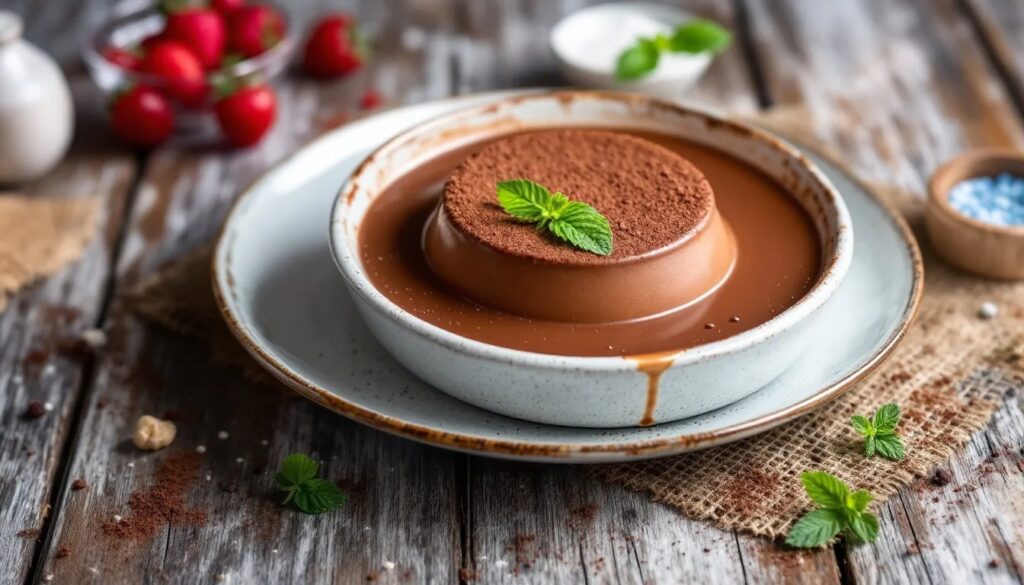
Imagine a spoon gliding effortlessly through a silken, cool landscape of dark chocolate, its richness enveloping your palate with a whisper of vanilla before dissolving into pure bliss. This, my friends, is the allure of Chocolate Pot de Crème, a dessert that, while seemingly simple, carries with it centuries of global exploration, culinary innovation, and profound cultural exchange. It is not merely a dish; it is a meticulously crafted historical artifact, each ingredient a testament to interwoven narratives of human ingenuity and desire.
At its heart, the Pot de Crème is quintessentially French—its very name, ‘pot of cream,’ speaks to the elegance and precision of French patisserie. Yet, the stars of this show, chocolate and vanilla, hail from a world away, deep within the lush rainforests of Mesoamerica. For millennia, cacao was revered by the Olmec, Maya, and Aztec civilizations, not as a sweet treat, but as a bitter, often spiced, ceremonial beverage known as *xocolātl*. It was a drink of warriors, priests, and nobility, believed to confer wisdom and vitality. Vanilla, derived from the fruit of an orchid, shared a similar sacred standing, often accompanying cacao in these ancient concoctions. Their journey across the Atlantic with Spanish conquistadors in the 16th century marked a pivotal moment, ushering in the Columbian Exchange that irrevocably altered global diets and culinary landscapes.
Once in Europe, particularly in the sophisticated courts of France, chocolate and vanilla began their remarkable transformation. The Europeans, accustomed to sweetness, introduced sugar—another ingredient with a sprawling global history, originating in Southeast Asia and migrating via trade routes through India, the Middle East, and eventually to the sugar cane plantations of the Caribbean. This marriage of New World chocolate and vanilla with Old World sugar (and dairy) gave birth to a new culinary genre: the European dessert. French chefs, masters of technique, applied their expertise in custard-making—a tradition traceable to Roman times—to these exotic ingredients. The precise separation of egg yolks and whites, the gentle tempering, the slow baking in a bain-marie, all contributed to the Pot de Crème’s signature velvety texture. The decision to serve it in individual ceramic ramekins further underscored the French emphasis on refined presentation and portioning.
Creating a perfect Chocolate Pot de Crème at home is a rewarding journey into this history. Begin with high-quality chocolate; its depth of flavor is paramount. A good bittersweet or dark chocolate will provide the complexity this dessert deserves. Vanilla extract or, even better, a vanilla bean, will elevate the aroma. The process involves creating a rich custard base with egg yolks, melted chocolate, and warm cream, then gently folding in beaten egg whites for a subtle lightness that distinguishes it from a denser ganache or pudding. The crucial step is the slow, gentle bake in a water bath (bain-marie), which ensures even cooking and prevents the custard from curdling, resulting in that irresistible silken consistency. Once chilled for several hours, allowing the flavors to meld and the texture to firm, a dollop of freshly whipped cream provides a cloud-like counterpoint, a final flourish to this symphony of taste and history. It’s a dessert that speaks not only of indulgence but of continents connected, cultures intertwined, and the enduring magic of culinary artistry.
Chocolate Pot de Crème
Journey to the heart of French culinary elegance with this exquisite Chocolate Pot de Crème. A testament to simplicity perfected, this luxurious custard offers a profound depth of bittersweet chocolate, its silken texture dissolving on the palate in a whisper of pure indulgence. Chilled to impeccable form, each serving is an opulent embrace, crowned with a cloud of ethereal crème chantilly and delicate chocolate curls, promising an experience that transcends mere dessert.
Ingredients
-
amount not specified
sugar -
amount not specified
water -
amount not specified
chocolate -
amount not specified
egg yolks -
amount not specified
beaten egg whites -
amount not specified
vanilla -
amount not specified
whipped cream
for topping -
amount not specified
sweet chocolate
for shavings
Instructions
-
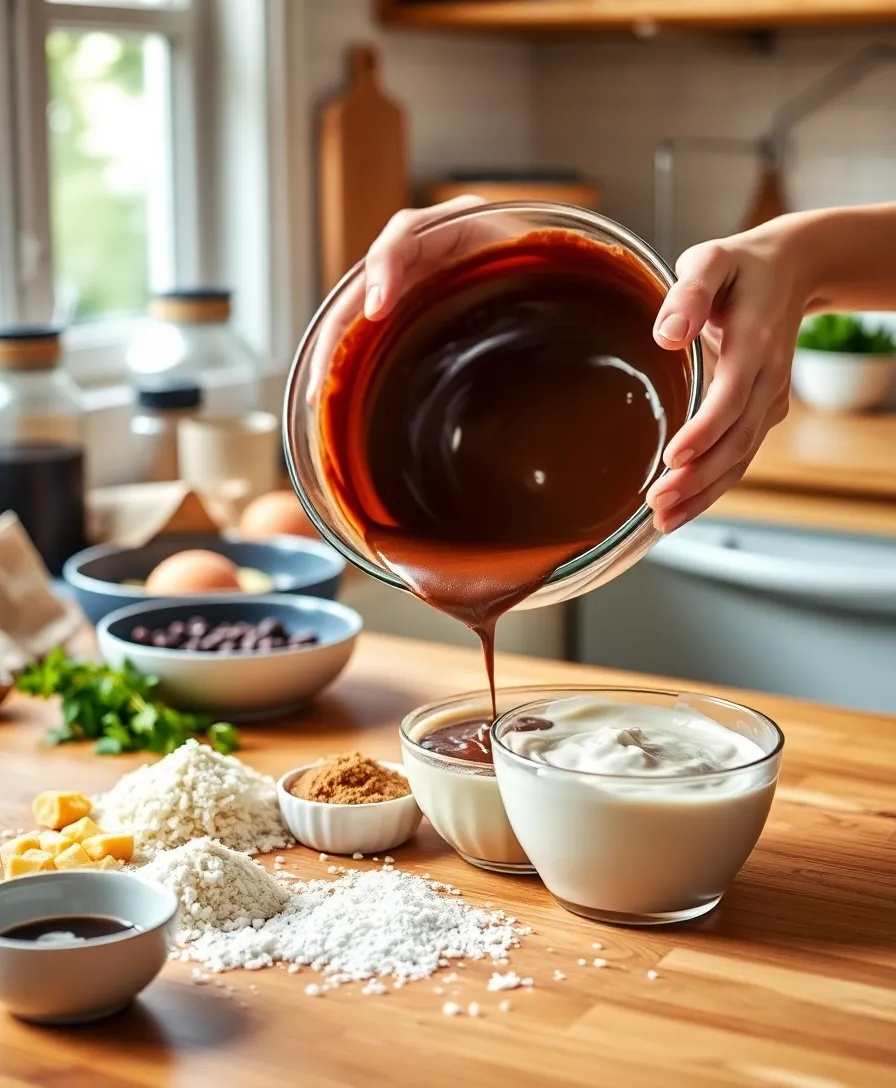
In a heatproof bowl set over a bain-marie of gently simmering water, combine the granulated sugar and water with the finely chopped chocolate. Exercise diligent care, stirring continuously with a heat-resistant spatula until the mixture achieves a perfectly smooth, glossy emulsion. Remove from heat and allow to cool to a comfortable warmth, not cold, ensuring it remains fluid.
-
In a separate small bowl, lightly whisk the egg yolks. Gradually incorporate the prepared egg yolks into the cooled chocolate mixture, stirring vigorously until thoroughly blended. Next, gently fold in the lightly beaten egg whites, striving to maintain their airy volume. Finally, infuse the mixture with the pure vanilla extract, stirring just until combined.
-
Delicately pour the chocolate mixture into individual ramekins, demitasse cups, or a single elegant serving bowl. Transfer to the refrigerator and allow to set undisturbed for a minimum of several hours, or ideally, overnight, to achieve its characteristic firm yet luscious consistency.
-
Immediately prior to presentation, grace each chilled pot de crème with a generous swirl of freshly whipped cream. Garnish with a sprinkle of meticulously shaved premium dark chocolate for an exquisite finish.
Recipe Notes
**Elevating Your Pot de Crème:**
For those desiring an additional layer of complexity and texture, consider these refined variations:
* **Textural Foundations:** Line the base of each serving vessel with a crumbled almond macaroon or a delicate ladyfinger biscuit before pouring the chocolate. This creates a subtle counterpoint to the custard’s smoothness.
* **Aromatic Infusions:** Enhance the depth of flavor by adding a tablespoon of orange liqueur (such as Grand Marnier or Cointreau), crème de cacao, or a fine aged rum over the crumbled base before introducing the chocolate mixture. These spirits lend an aromatic warmth that beautifully complements chocolate.
* **Citrus & Spice:** The timeless affinity between chocolate and orange is undeniable. A simple yet transformative addition is a tablespoon of finely grated orange zest, stirred directly into the chocolate mixture before the eggs are incorporated. This brightens the entire profile. Beyond orange, explore classic pairings such as a hint of rum, the refreshing lift of mint extract, or even a subtle whisper of chili for an intriguing warmth.
* **The Art of Portioning:** The inherent richness and intensity of Pot de Crème dictate that it is best savored in modest portions. Serve in small, elegant vessels, typically no more than 2 to 3 ounces, to fully appreciate its luxurious depth without overwhelming the palate.
Global Heritage Archive
Anthropological & Spice Migration Record
“French culinary culture, emphasizing refinement, precision, and the elevation of desserts to an art form, often serving as a hallmark of haute cuisine.”
🌿 Spice & Botanical Migration
The core flavorings of this dish, chocolate and vanilla, are both indigenous to Mesoamerica. Cacao beans, the source of chocolate, and vanilla orchids were first encountered by Europeans after the Columbian Exchange. Spanish conquistadors brought both to Europe, where they were eventually paired and transformed from indigenous ritualistic uses (bitter drinks) into sweetened, luxurious European desserts through global trade networks.
🏺 Historical & Archaeological Record
While rudimentary custards have ancient roots (e.g., Roman *patina*), the specific form of a rich, chocolate-infused custard served individually, like *pot de crème*, emerged in Europe post-Columbian Exchange. The earliest written recipes featuring sweetened chocolate in dessert contexts, often in custard or pudding form, appear in French culinary texts from the late 17th to early 18th centuries, marking the adaptation of New World ingredients into established European patisserie techniques.
💡 Little Known Facts
- The term ‘pot de crème’ explicitly refers to the small, individual ceramic pots or ramekins in which this dessert is traditionally baked and served, a practice that emerged with the increasing refinement of European dining.
- Before its sweet transformation in Europe, chocolate (xocolātl) was consumed as a bitter, often spiced, beverage by Mesoamerican civilizations for centuries, valued for its stimulant properties and ritualistic significance.
📸 Made This Heritage Recipe?
We would love to see how your dish turned out! Send a photo of your culinary creation to [email protected] to be featured in our community gallery.
Leave a review and rate this recipe below!
Curated Literature & Washington DC Downtown Calendar
The Culinary Alchemist: Modern Gastronomy & Flavor Pairing
By LDN Gastronomy Series
Artisanal technique, seasonal sourcing, and kitchen mastery.
Upcoming Downtown Happenings
Live acoustic sessions, gallery receptions, literary salons, and independent trade shows across Washington DC.
