
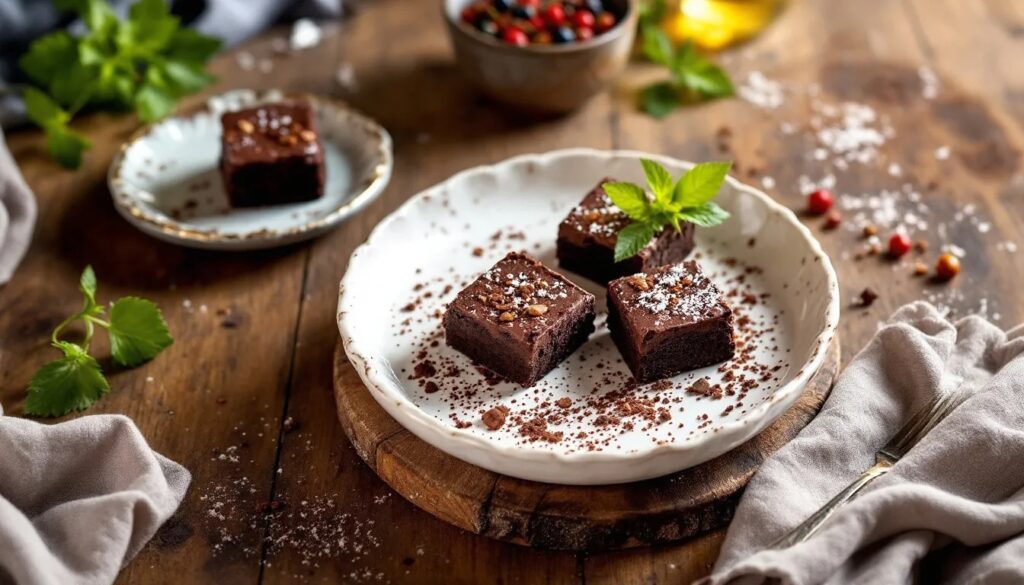
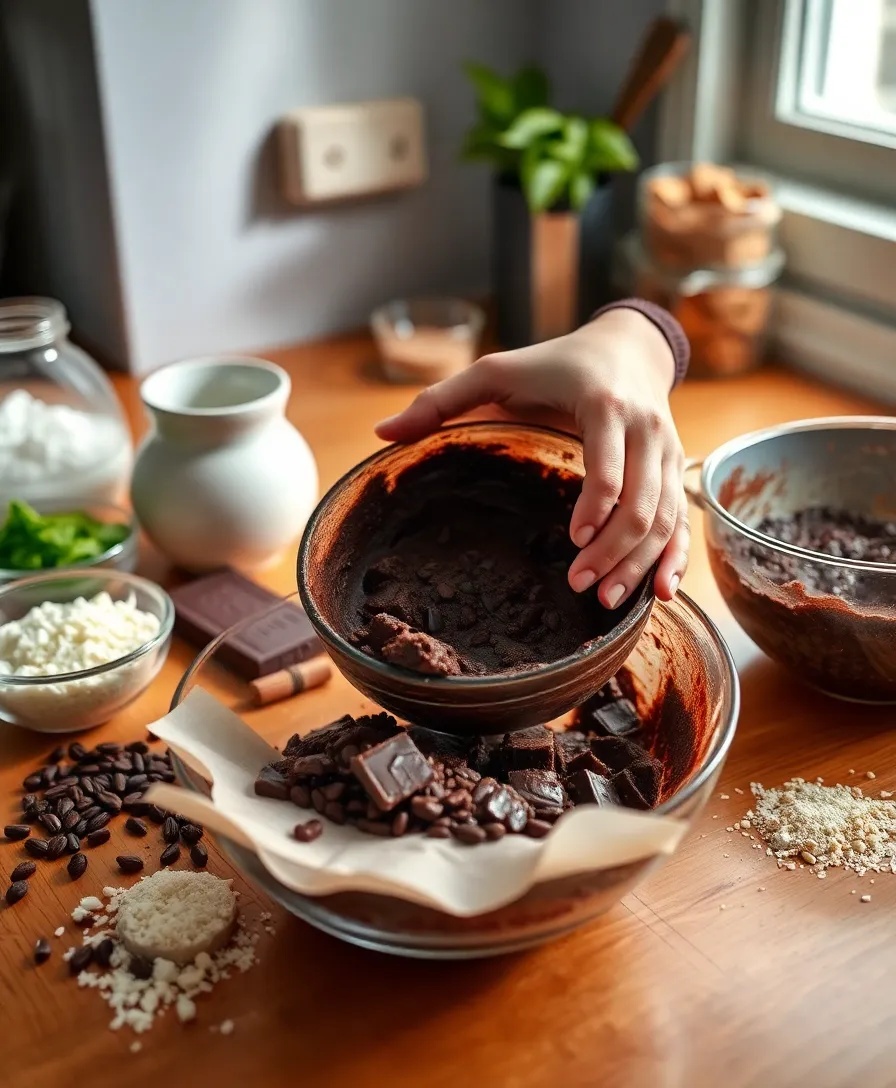
The mere mention of “Chocolate Dessert Squares” conjures images of indulgent comfort, a sweet promise of velvety richness that satisfies the deepest cravings. This seemingly simple confection, a staple in countless American bake sales and family gatherings, is far more than just a treat; it’s a delectable chronicle of culinary ingenuity, global migration, and the evolution of taste. Standing at the crossroads of European baking techniques and distinctly American ingredient innovations, these squares embody a fascinating journey from ancient civilizations to the modern dessert plate.
At its heart, this recipe is a celebration of chocolate, an ingredient whose origins are steeped in the mystical traditions of Mesoamerican civilizations. For millennia, cacao was revered by the Olmec, Maya, and Aztec peoples, consumed as a bitter, frothy drink often infused with chilies, a far cry from the sweetened dessert we know today. It was the Columbian Exchange that brought cacao across the Atlantic, where European palates slowly adapted it, eventually leading to the Dutch innovation of cocoa powder in the 19th century—a process that revolutionized baking by making chocolate smoother, darker, and more accessible. The presence of Dutch process cocoa in our recipe is a direct nod to this pivotal moment, promising an intense, deep chocolate flavor.
The supporting cast of ingredients further paints a vivid picture of culinary migration. Vanilla, another gift from Mesoamerica, specifically the Totonac people of Mexico, initially proved elusive for cultivation outside its native habitat until artificial pollination methods were mastered in the 19th century, transforming it into a global flavoring powerhouse. Cinnamon, traversing millennia along ancient Spice Routes from Sri Lanka and Southeast Asia, brings its warm, aromatic embrace, a timeless spice that has graced dishes from the Middle East to Europe for centuries. Even the instant espresso powder, while a modern convenience, whispers tales of Ethiopian highlands and the subsequent Italian genius of espresso, cleverly enlisted here not for its caffeine kick, but to mysteriously deepen chocolate’s own profound notes.
But what truly anchors these dessert squares in the American culinary landscape is the inclusion of cream cheese and sour cream. Cream cheese, a relatively modern invention originating in New York in the late 19th century, transformed the dessert world, becoming the cornerstone of the iconic American cheesecake. Its tangy, creamy texture, combined with the moist richness of sour cream (a fermented dairy product with roots in Eastern European and German cuisines, assimilated into American baking), lends these squares their characteristic irresistible chew and delightful tang. The very format—a “square” or “bar” dessert with a wafer crust—is a quintessential American innovation, born from a desire for portable, easily shareable, and often less fussy alternatives to elaborate cakes.
Preparing these squares is an act of love, marrying the crispy snap of a butter-infused wafer crust with a rich, dense chocolate cream cheese layer. Success lies in quality ingredients and careful execution: ensure your cream cheese and sour cream are at room temperature for a silky-smooth batter, and don’t overbake, as the magic of these squares lies in their fudgy, slightly yielding interior. Once baked and perfectly chilled, these Chocolate Dessert Squares transcend their humble form, offering a profound taste experience—a delicious testament to history, human ingenuity, and the universal language of dessert. They are not merely food; they are edible stories, each bite a journey through time and across continents.
Chocolate Dessert Squares
Step back in time with these decadent Chocolate Dessert Squares, a true ‘epicurean delight’ from the Heritage Kitchen Archive Cookbook! Featuring a rich, creamy chocolate filling infused with espresso and Dutch process cocoa, all nestled in a crispy, spiced wafer crust. Baked to perfection and served in elegant bite-sized squares, these treats are garnished with candy coffee beans for a sophisticated touch, making them perfect for any large gathering.
Ingredients
-
4
oz
semisweet or bittersweet chocolate
coarsely chopped -
4
oz
cream cheese
room temperature -
1.5
cups
sugar
None -
2
large eggs
None -
2
teaspoons
Dutch process cocoa powder
None -
0.5
teaspoon
vanilla extract
None -
1.5
teaspoons
instant espresso powder
dissolved in 0.5 teaspoon hot water -
1
cup
sour cream
None -
quantity not specified
wafers
for crust -
quantity not specified
butter
chilled, for crust -
quantity not specified
cinnamon
for crust -
as needed
candy coffee beans or semisweet chocolate
cut into 0.5-inch pieces, for garnish
Instructions
-
For the Crust: Chop wafers in a food processor or blender until fine crumbs are formed.
-
Add chilled butter pieces and cinnamon to the wafer crumbs and mix using on/off turns until evenly blended.
-
Using your fingers, press the wafer mixture evenly into the bottom of three 16×1-inch aluminum disposable pans.
-
For the Filling: Preheat oven to 325°F (160°C).
-
Melt the coarsely chopped chocolate in the top of a double boiler over hot water. Remove from heat and cool completely.
-
Place room temperature cream cheese in a large bowl of an electric mixer and beat until smooth and fluffy, gradually increasing speed.
-
Reduce speed and beat in sugar, 2 tablespoons at a time, until combined.
-
Beat in eggs one at a time, ensuring each is incorporated before adding the next.
-
Beat in the cocoa powder, vanilla extract, dissolved espresso powder, sour cream, and the cooled melted chocolate one at a time, blending well after each addition and scraping the sides of the bowl occasionally.
-
Pour the chocolate mixture evenly into the prepared crusts.
-
Bake for 25 minutes.
-
Turn the oven off and leave the pans in the oven for an additional 15 minutes.
-
Remove from the oven and cool completely. Refrigerate until well chilled.
-
Just before serving, carefully remove the cakes from their pans.
-
Using a sharp, thin-bladed knife, cut the cakes into 1.5-inch squares, wiping the knife clean after each cut.
-
Top half of the squares with candy coffee beans, and the remaining squares with 0.5-inch pieces of semisweet chocolate.
-
Arrange the garnished squares on a platter in a checkerboard pattern for serving.
Recipe Notes
The original recipe does not specify the type or quantity of wafers, butter, or cinnamon needed for the crust. Adjust quantities to achieve a crumbly, pressable crust for three 16×1-inch pans.
Global Heritage Archive
Anthropological & Spice Migration Record
“A culinary culture rooted in innovation and comfort, synthesizing global ingredients into accessible, often indulgent, and shareable baked goods popular in homes and gatherings across America.”
🌿 Spice & Botanical Migration
The journey of the key flavor components in these Chocolate Dessert Squares is a testament to global exchange. Chocolate and vanilla, both indigenous to Mesoamerica, traveled across the Atlantic with the Columbian Exchange, transforming from sacred drinks to global dessert staples. Cinnamon, originating from Sri Lanka and Southeast Asia, embarked on ancient Spice Routes to adorn cuisines worldwide, while coffee, born in the highlands of Ethiopia, spread via trade to the Arabian Peninsula and eventually permeated global beverage and dessert culture, often enhancing chocolate’s depth.
🏺 Historical & Archaeological Record
The earliest archaeological evidence for the consumption of cacao, the source of chocolate, dates back to approximately 1900 BC in Paso de la Amada, Chiapas, Mexico, where the Mokaya people consumed it as a beverage. While the concept of baked goods and sweetened cakes has roots in antiquity, the specific form of a multi-layered “dessert square” or “bar” combining a crust with a creamy, baked filling (especially featuring cream cheese and processed chocolate) is a distinctly modern development, emerging predominantly in American kitchens during the late 19th and 20th centuries.
💡 Little Known Facts
- The concept of ‘cream cheese’ as we know it today, distinct from French Neufchâtel, was first marketed in the United States in the 1870s by dairyman William Lawrence in Chester, New York.
- The addition of instant espresso powder to chocolate desserts is a common modern culinary trick, not primarily for coffee flavor, but because coffee chemically enhances and deepens the perceived bitterness and richness of chocolate.
📸 Made This Heritage Recipe?
We would love to see how your dish turned out! Send a photo of your culinary creation to [email protected] to be featured in our community gallery.
Leave a review and rate this recipe below!
Curated Literature & Washington DC Downtown Calendar
The Culinary Alchemist: Modern Gastronomy & Flavor Pairing
By LDN Gastronomy Series
Artisanal technique, seasonal sourcing, and kitchen mastery.
Upcoming Downtown Happenings
Live acoustic sessions, gallery receptions, literary salons, and independent trade shows across Washington DC.
