
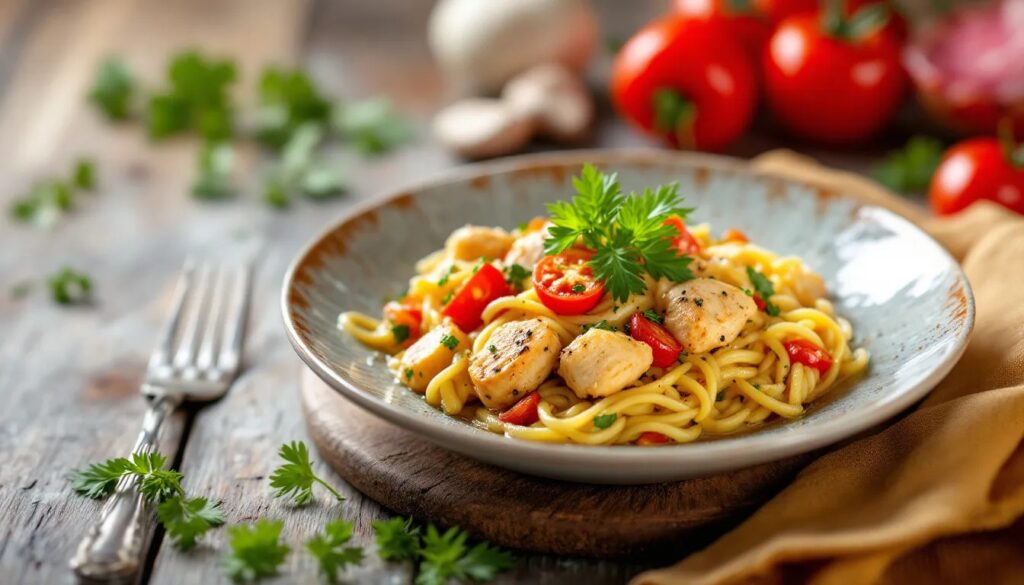
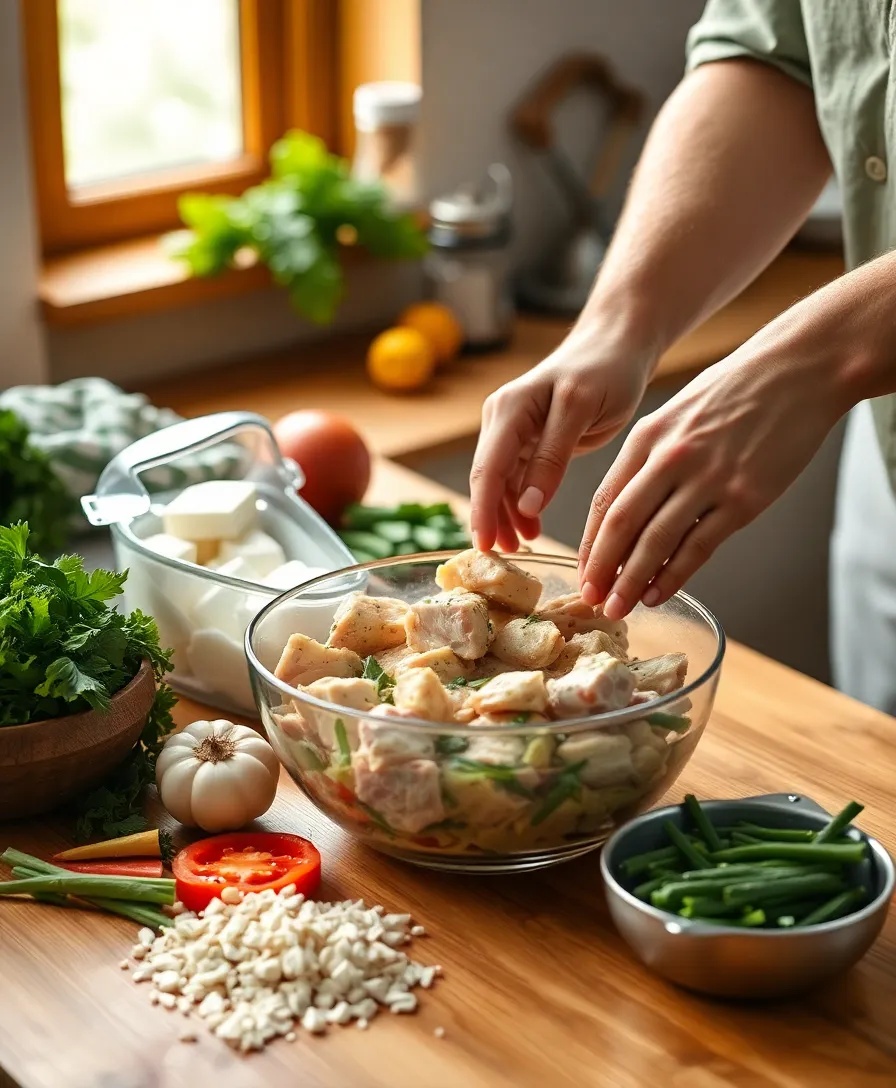
The humble casserole, a one-pan wonder, often conjures images of mid-century American kitchens, bustling with the efficiency born of new suburban rhythms and the desire for comforting, straightforward meals. Our “Chicken Vegetable Casserole” recipe is a quintessential example, a culinary time capsule that speaks volumes about a particular era in American food history. It’s a dish that artfully—or perhaps inadvertently—weaves together threads of global culinary migration, all neatly bound by the convenience of processed ingredients.
The very word “casserole” itself, borrowed from the French for a small saucepan, hints at its European lineage, but the *American casserole* as we know it truly came into its own after World War II. With more women entering the workforce and the rise of convenience foods, the demand for quick, hearty, and family-friendly dinners soared. This is where ingredients like frozen vegetables and, crucially, canned condensed soups—particularly “cream of chicken”—became culinary heroes. They offered a creamy base, a rich flavor, and a binding agent, transforming disparate ingredients into a cohesive, comforting dish with minimal fuss. These soups, championed by companies like Campbell’s, weren’t just ingredients; they were symbols of a new domestic efficiency, a promise of deliciousness in minutes.
Beyond the readily apparent American convenience, this casserole whispers tales of distant lands through its spice cabinet. Consider the curry powder. Its presence in a dish so distinctly American might seem surprising, yet it’s a testament to the enduring legacy of global trade and cultural exchange. Curry powder, as we know it, isn’t an ancient Indian spice blend but rather a British invention from the 18th century, designed to bring the exotic flavors of the subcontinent to European palates in a convenient, pre-mixed form. Its constituent spices—turmeric, coriander, cumin, fenugreek—each possess their own ancient origins, from South Asia to the Middle East, traversing the Silk and Spice Routes for millennia before finding their way into a suburban American kitchen.
Then there’s paprika, the vibrant red dust that adds both color and a subtle warmth. Paprika is a direct descendant of chili peppers, which originated in the Americas and journeyed across the Atlantic with Christopher Columbus via the Columbian Exchange. It found a particularly fertile new home in Hungary, where it was embraced and cultivated into the nuanced spice we recognize today, before completing its global circuit to grace dishes like this casserole. The inclusion of olive oil and slivered almonds or pine nuts further expands the narrative, hinting at ancient Mediterranean influences and their long history as culinary staples.
For those looking to recreate this historical dish today, or elevate it, a few modern kitchen tips can transform it. While the recipe leans into convenience, don’t shy away from enhancing it. Consider making your own béchamel sauce with a touch of chicken bouillon as a richer, fresher alternative to canned soup. Sautéing fresh vegetables before adding them can deepen their flavor, and a sprinkle of fresh herbs like parsley or chives can brighten the overall profile. A squeeze of fresh lemon juice at the end can cut through the richness, balancing the flavors. This Chicken Vegetable Casserole, in its unassuming form, is more than just a meal; it’s a delicious journey through time and across continents, a testament to how global forces shape even the most comforting, local dishes.
CHICKEN VEGETABLE CASSEROLE
Discover the unparalleled embrace of a truly exceptional Chicken and Vegetable Bake, a sophisticated take on a beloved classic. This artfully crafted casserole brings together tender, perfectly cooked chicken with a vibrant tapestry of garden-fresh vegetables, all enrobed in a rich, velvety sauce infused with subtle aromatic notes. Crowned with a delicate scattering of golden-toasted nuts, it offers an irresistible textural counterpoint that elevates every bite. Ideal for gracing any table, from cherished family gatherings to elegant soirées, this dish promises a symphony of flavors and an unforgettable dining experience.
Ingredients
-
1
16-oz. pkg.
frozen vegetables
(broccoli, cauliflower and carrots) -
4-6
chicken breast halves
cut in pieces -
½
tsp.
garlic salt -
½
cup
slivered almonds or pine nuts -
1
can
cream of chicken soup -
½
cup
mayonnaise -
1
tsp.
curry powder -
1
tbsp.
lemon juice -
as needed
olive oil
for sautéing -
optional
paprika
for sprinkling
Instructions
-
Begin by ensuring your frozen vegetable medley is fully thawed. Transfer the thawed vegetables to a pot of boiling water for precisely one minute; this brief blanching technique is crucial for mitigating excess moisture. Once blanched, carefully drain the vegetables and evenly arrange them as the foundational layer within your chosen 9″ x 13″ or 9″ square baking vessel.
-
In a preheated skillet, introduce a modest glug of olive oil. Add the prepared chicken breast pieces and ½ teaspoon of garlic salt, then gently sauté until the chicken is thoroughly cooked through and exhibits a delicate golden hue.
-
Carefully position the perfectly cooked chicken pieces over the vegetable layer in the baking dish, ensuring an even distribution.
-
Gracefully scatter your choice of slivered almonds or pine nuts across the chicken and vegetable foundation, preparing the dish for its delectable topping.
-
In a distinct mixing bowl, whisk together the cream of chicken soup, mayonnaise, curry powder, and fresh lemon juice until a smooth, harmonious sauce is achieved. Gently cascade this rich sauce over the entire casserole, ensuring every element is beautifully enrobed.
-
Transfer the prepared casserole to a preheated oven set at 350°F (175°C) and bake for 35 to 45 minutes, or until bubbling and golden. For an exquisite touch of visual appeal, consider a light dusting of paprika over the top before baking.
Recipe Notes
This exceptional bake effortlessly earns its place as a celebrated dish for entertaining, consistently enchanting guests and inspiring inquiries for its simple yet profound creation. Its universal appeal and effortless elegance make it a perfect centerpiece for sophisticated potlucks, family celebrations, or any occasion deserving of a truly memorable meal.
Global Heritage Archive
Anthropological & Spice Migration Record
“This dish embodies the mid-20th century American culinary culture of convenience cooking, utilizing processed ingredients to create comforting, family-friendly meals.”
🌿 Spice & Botanical Migration
Curry powder, a British colonial creation from the 18th century, blended various South Asian spices (like turmeric, coriander, cumin) for convenience, with these individual spices having ancient origins across South Asia and the Middle East, traveling via the Spice Routes. Paprika, derived from New World chili peppers, was introduced to Europe via the Columbian Exchange and found its culinary identity in Hungary before spreading globally. Olive oil, a staple of Mediterranean cuisine, originates from olive cultivation in the ancient Near East, spreading across the Mediterranean basin through trade.
🏺 Historical & Archaeological Record
The concept of cooking food in a covered vessel, a precursor to the modern casserole, dates back to ancient times. Archaeological digs have uncovered evidence of earthenware pots designed for slow, communal cooking from various Neolithic sites worldwide, with more direct forms seen in Roman *patina* dishes prepared in terra cotta.
💡 Little Known Facts
- The rise of the casserole in America directly paralleled the growth of suburban living and the increasing number of women entering the workforce post-WWII, demanding quicker, all-in-one meal solutions.
- Cream of mushroom soup, not chicken, was the first highly successful ‘condensed soup’ base used in casseroles, popularized by Campbell’s for its versatility as a binder and flavor enhancer.
📸 Made This Heritage Recipe?
We would love to see how your dish turned out! Send a photo of your culinary creation to [email protected] to be featured in our community gallery.
Leave a review and rate this recipe below!
Curated Literature & Washington DC Downtown Calendar
The Culinary Alchemist: Modern Gastronomy & Flavor Pairing
By LDN Gastronomy Series
Artisanal technique, seasonal sourcing, and kitchen mastery.
Upcoming Downtown Happenings
Live acoustic sessions, gallery receptions, literary salons, and independent trade shows across Washington DC.
