
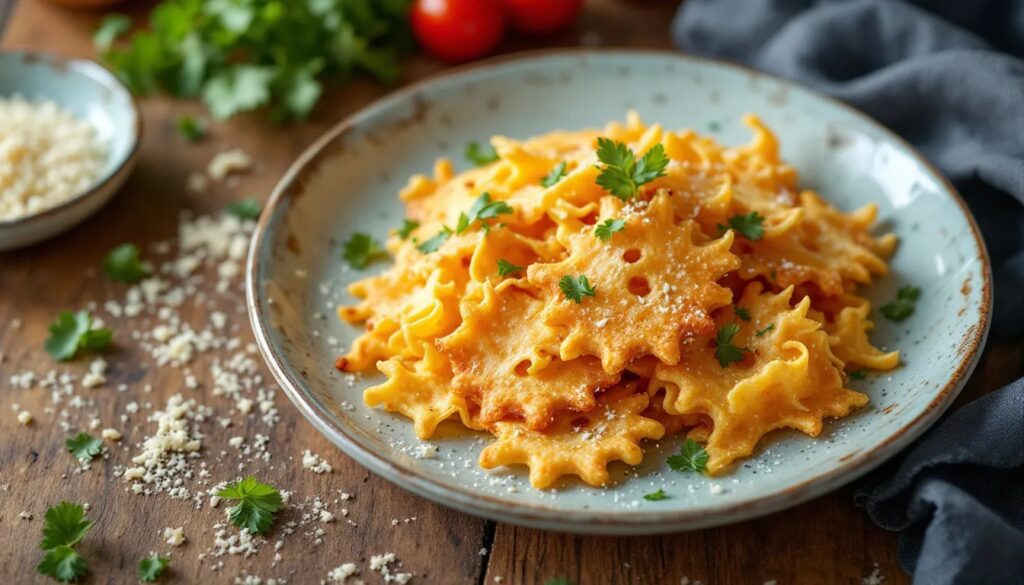
Imagine a crisp, golden wafer, so thin it almost shatters at a touch, its edges caramelized and deep with the nutty essence of sharp cheddar, a subtle kick of cayenne, and the enigmatic depth of Worcestershire. This isn’t merely a cracker; it’s an edible heirloom, a culinary calling card deeply embedded in the social rituals of the American South. Its lineage, though seemingly simple, traces a fascinating path through global trade routes and domestic refinement.
The journey begins with fundamental ingredients. Sharp cheddar, the robust heart of this cracker, hails from the verdant pastures of Somerset, England, a testament to British dairy traditions that crossed the Atlantic with early settlers. Flour, the universal binder, and butter, the ancient emblem of richness, are staples found across countless cultures. But it’s the supporting cast that truly tells a story of migration and imperial ambition. Cayenne pepper, fiery and vibrant, is a direct descendant of the *Capsicum annuum* plant, native to the Americas. Its introduction to Europe via the Columbian Exchange in the 15th and 16th centuries irrevocably altered global palates, eventually making its way into European-influenced cuisines, including the evolving American kitchen.
Then there’s the enigmatic Worcestershire sauce, a quintessential British condiment invented by Lea & Perrins in the 1830s. This dark, complex elixir is a liquid map of the British Empire, incorporating exotic ingredients like tamarind from Southeast Asia, anchovies (a Mediterranean staple), and a medley of spices, including chili peppers and cloves, gathered from across the globe through colonial trade. Its inclusion in a distinctly American cracker recipe illustrates the permeable nature of culinary borders and the ongoing dialogue between cultures.
In the Southern United States, particularly from the late 19th century onwards, these delicate cheese wafers, often alongside their thicker kin, cheese straws, became indispensable at social gatherings. They graced tea parties, cocktail hours, and impromptu visits, embodying the region’s famed hospitality – an elegant, effortless way to welcome and delight. The ‘lace’ aspect itself is a testament to a desire for refinement, transforming a simple cheese cracker into a gossamer creation that melts in the mouth, leaving behind a profound savory warmth.
Crafting these crackers is an exercise in deceptive simplicity. The secret lies in a well-chilled dough and a judicious hand. The high fat content of the cheese and butter, combined with a thin spread on the baking sheet, allows them to melt and expand into their characteristic lacy pattern. Don’t be tempted to overbake; the ideal is a golden hue and a snap-crisp texture, ensuring that rich, cheesy depth remains without veering into bitterness. Store them in an airtight container, and they’ll retain their charm for days, ever ready to serve as a sophisticated preamble to any meal or a delightful companion to a glass of sherry. The Cheese Lace Cracker isn’t just food; it’s a bite-sized piece of history, an edible echo of migration, and a delicious declaration of welcome.
CHEESE LACE CRACKERS
Imagine a whisper-thin indulgence that shatters with a satisfying crispness, melting effortlessly on the palate. These exquisite cheddar lace crackers are a testament to artisanal baking, transforming simple ingredients into a gourmet delight. Each gossamer-like disc boasts the profound depth of aged cheddar, subtly brightened by the piquant warmth of cayenne and the savory embrace of Worcestershire. More than a mere accompaniment, they are a charming spectacle on any platter, offering a touch of vintage sophistication to aperitif hour, a refined counterpoint to vibrant salads, or a simply irresistible standalone snack. Their signature ‘lace’ quality is achieved through a meticulous bake, creating an airy, filigreed texture that is as captivating to behold as it is to savor.
Ingredients
-
1/2
pound
sharp cheddar
grated -
1 1/2
cup
flour -
1
teaspoon
Worcestershire sauce -
1/2
teaspoon
salt -
1/2
teaspoon
cayenne -
1
stick
butter
cold, unsalted, cut into bits
Instructions
-
In the precise chamber of a high-speed food processor, integrate the finely shredded aged cheddar, softened unsalted butter, a measured pinch of sea salt, the all-purpose flour, the Worcestershire elixir, and a whisper of cayenne pepper. Engage the processor in short, deliberate pulses until the ensemble coalesces into a unified, pliable sphere of dough.
-
Delicately divide the freshly formed dough into two equal segments. Place each portion onto its own sheet of high-quality parchment paper or waxed paper, preparing for the shaping process.
-
Utilizing the protective parchment, meticulously sculpt each dough segment into an elongated cylinder, aiming for a consistent length of approximately six inches and a uniform diameter of one and a half inches.
-
Encase the sculpted cylinders snugly in their individual sheets of paper, then transfer them to the chilled embrace of your refrigerator. Allow them to firm up for a minimum of two hours, or until they achieve a steadfast solidity suitable for precise slicing.
-
Once thoroughly chilled and firm, retrieve the dough logs. With a keen, sharp knife, delicately carve each log into uniform rounds, approximately one-half inch in thickness, ensuring consistency for even baking.
-
Carefully position these exquisite rounds onto ungreased baking sheets or jelly-roll pans, ensuring a generous two-inch clearance between each to facilitate optimal air circulation and prevent melding during the bake.
-
Transfer the prepared pans to a preheated oven set to a precise 400°F (200°C). Allow them to bake for a fleeting 5 to 7 minutes, or until their delicate edges achieve a captivating golden hue and the centers are exquisitely crisp.
Recipe Notes
For optimal crispness and to preserve their ethereal texture, store these delicate morsels in an airtight container at cool room temperature for up to five days. Should they lose a touch of their initial snap, a brief revival in a warm oven (around 250°F / 120°C) for a minute or two can restore their crisp perfection. Consider a sophisticated twist by incorporating a tablespoon of finely grated Parmesan into the dough, or introducing a pinch of smoked paprika for an added layer of complexity. Achieving the signature ‘lace’ is contingent upon uniform slicing and adequate spacing on the baking sheet; avoid crowding to ensure proper air circulation and browning.
Global Heritage Archive
Anthropological & Spice Migration Record
“A culinary culture defined by gracious entertaining, where elegant, savory appetizers are central to social gatherings and hospitality, particularly in the Southern United States.”
🌿 Spice & Botanical Migration
Cayenne pepper, derived from *Capsicum annuum*, is native to the Americas and traveled globally via the Columbian Exchange, integrating into European and subsequently American cuisines. Worcestershire sauce, a 19th-century British invention, is a testament to global trade, blending ingredients like tamarind from Southeast Asia, black pepper from India, and chili peppers from the Americas, all brought together through colonial commerce.
🏺 Historical & Archaeological Record
The oldest archaeological evidence for cheese production dates back over 8,000 years to Kujawy, Poland. While the concept of hard, baked bread (crackers or biscuits) is ancient, recipes specifically for savory cheese-based biscuits or crackers began appearing in printed cookbooks in the 19th century in both British and American culinary literature, with the delicate ‘lace’ style emerging later within the American tradition.
💡 Little Known Facts
- The delicate, almost translucent quality of ‘cheese lace crackers’ comes from the high fat content of the cheese and butter, which causes them to melt and spread significantly into a thin, crisp web during baking.
- While cheese straws and wafers have older British roots, their transformation into a quintessential symbol of Southern American hospitality, particularly for ladies’ luncheons and cocktail parties, solidified in the post-Civil War era.
📸 Made This Heritage Recipe?
We would love to see how your dish turned out! Send a photo of your culinary creation to [email protected] to be featured in our community gallery.
Leave a review and rate this recipe below!
Curated Literature & Washington DC Downtown Calendar
The Culinary Alchemist: Modern Gastronomy & Flavor Pairing
By LDN Gastronomy Series
Artisanal technique, seasonal sourcing, and kitchen mastery.
Upcoming Downtown Happenings
Live acoustic sessions, gallery receptions, literary salons, and independent trade shows across Washington DC.
