
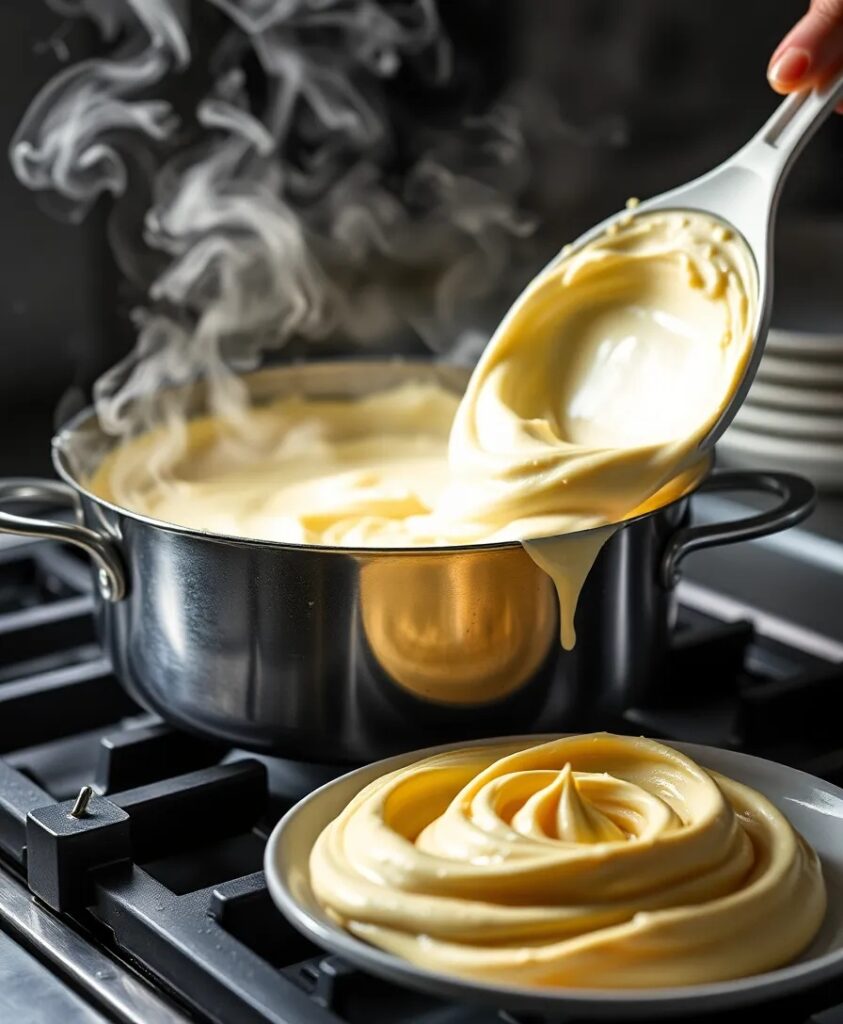
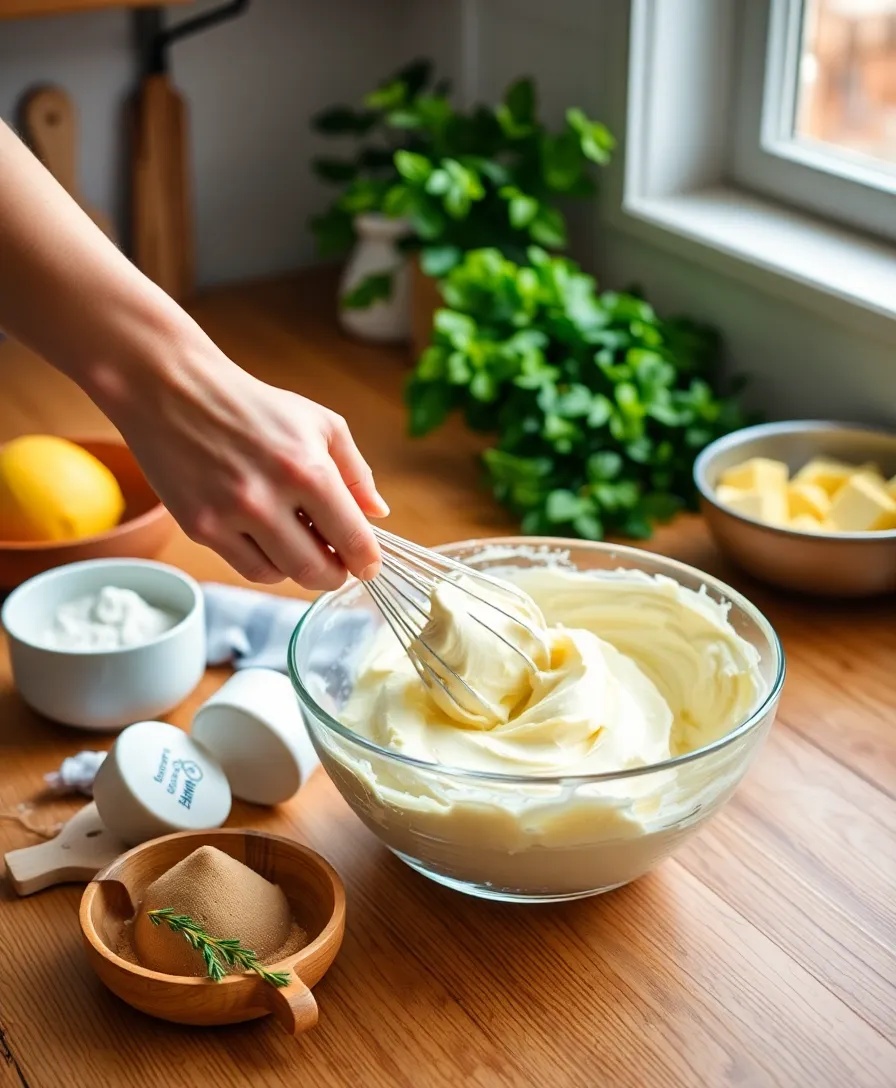
Behold the silken alchemy that transforms humble ingredients into a cloud of exquisite indulgence: French Buttercream. Far more than a mere topping, this crème au beurre française is a testament to the sophistication and precision that defines classical French patisserie. Its history is a rich tapestry woven from global trade routes, culinary innovation, and a relentless pursuit of gastronomic perfection. Unlike its simpler counterparts, French buttercream is a triumph of technique, resulting in a rich, buttery, yet surprisingly light and less cloyingly sweet frosting that melts delicately on the tongue.
The journey of French buttercream begins, perhaps surprisingly, not with butter itself, but with sugar. Sugar, originating from sugarcane in Southeast Asia, travelled westward through India and the Middle East before reaching Europe. Its widespread availability and affordability, driven by colonial plantations and the tragic exploitation of enslaved labor in the Americas, transformed European dessert culture from the 17th century onwards, paving the way for elaborate confections. Butter, a staple in European cuisines for millennia, brought its unctuous richness, while eggs, universally available, provided the structural magic through their yolks. But it is the whisper of vanilla that truly elevates this creation, a spice whose own odyssey from the rainforests of Mesoamerica to the world’s kitchens is a story of incredible botanical discovery and human ingenuity. Discovered by Spanish conquistadors in 16th century Mexico, where the Totonac people had long valued its fragrant pods, vanilla remained an exotic luxury until the mid-19th century when hand-pollination techniques allowed its cultivation across tropical regions.
The genesis of crème au beurre française as we know it is firmly rooted in the golden age of French gastronomy, specifically the 19th century. Master chefs like Antonin Carême, who systematized French haute cuisine, laid the groundwork for the meticulous techniques that would define this era. The creation of French buttercream involves a precise dance: hot sugar syrup is slowly streamed into rapidly whipping egg yolks, creating a fluffy, stable base known as a ‘pâté à bombe’. This base is then cooled, and softened butter is gradually incorporated, aerating the mixture into a luscious, pipeable cream. This method ensures a stable emulsion, yielding a buttercream renowned for its smooth texture and elegant flavor.
For the aspiring pastry chef or home baker, mastering French buttercream is a rewarding endeavor. The key lies in temperature control and patience. Ensure your butter is truly softened, not melted, and the pâté à bombe has cooled sufficiently before adding it. A slow, steady stream of syrup into whipping yolks is crucial to avoid scrambling. Should your buttercream appear curdled, fear not; a gentle warming over a bain-marie while whisking, or a brief chilling followed by re-whipping, can often bring it back to its glorious smooth consistency. This buttercream is not merely an ingredient; it is a culinary experience, reflecting centuries of global culinary exchange and the timeless artistry of French dessert making. It adorns cakes and pastries with a delicate touch, promising a taste of history with every luxurious bite.
Buttercream
Step into a realm of classic patisserie with this exquisite buttercream, a sublime, foundational frosting destined to elevate your most cherished confections. Revered for generations, this timeless recipe masterfully marries aerated egg yolks with a meticulously crafted sugar syrup, yielding a remarkably smooth, wonderfully stable, and sumptuously rich base. Its inherent versatility invites sophisticated customization, effortlessly transforming with notes of fine chocolate or a fragrant coffee infusion for an added layer of gourmet complexity.
Ingredients
-
1½
cups
sugar
None -
1½
cup
water
None -
4
None
egg yolks
None -
1
cup
butter
softened -
1
teaspoon
vanilla
None
Instructions
-
Combine the granulated sugar and water within a heavy-bottomed saucepan. Over gentle heat, stir continuously until every sugar crystal has fully dissolved.
-
Using a pastry brush moistened with cold water, meticulously wipe down the interior sides of the pan, ensuring no sugar crystals adhere above the liquid line. This critical step prevents premature crystallization.
-
Securely cover the saucepan with its lid and allow the mixture to steam gently for five minutes.
-
Uncover the pan, then elevate the heat. Continue to cook, undisturbed, until a reliable candy thermometer registers precisely 238°F (114°C).
-
Concurrently, in a separate mixing bowl, vigorously beat the egg yolks until they transform into a pale, voluminous, and airy consistency.
-
With the mixer running continuously, stream the hot sugar syrup into the whipped egg yolks in a slow, steady, and exceedingly gradual drizzle.
-
Continue beating without interruption until the mixture has completely cooled and achieved a noticeably thickened, rich texture.
-
Incorporate the vanilla extract, then gently fold in the softened butter, piece by piece, until seamlessly blended and uniform.
Recipe Notes
This opulent buttercream is perfectly suited as a luxurious filling or a silken frosting for your finest cakes. It can be particularly enchanting when layered with complementary fillings, such as a rich chocolate ganache, for an intricate flavor profile. For optimal presentation and stability, refrigerate frosted confections until just before serving.
**Variations:**
* **For a decadent Chocolate Buttercream:** Immediately following the slow incorporation of the hot syrup, fold in 4 ounces of finely chopped sweet chocolate, previously melted with 3 tablespoons of water, until fully integrated and smooth.
* **For an aromatic Coffee Buttercream:** Dissolve 1 tablespoon of instant coffee powder in 1 tablespoon of boiling water. Once cooled slightly, gently whisk this concentrate into the finished buttercream until evenly distributed.
Global Heritage Archive
Anthropological & Spice Migration Record
“A refined and meticulous culinary tradition that emphasizes technical skill, high-quality ingredients, and aesthetic presentation in its dessert creations.”
🌿 Spice & Botanical Migration
The defining ‘spice’ here is vanilla. Originally native to Mesoamerica, specifically the Totonac people of what is now Veracruz, Mexico, vanilla was introduced to Europe by Spanish conquistadors after the Columbian Exchange. Despite its arrival in the 16th century, its widespread use in European desserts only took off after manual pollination techniques were developed in the mid-19th century, allowing cultivation beyond its native pollinator.
🏺 Historical & Archaeological Record
While individual ingredients have ancient roots, the specific technique of French buttercream (crème au beurre française), involving the careful incorporation of a hot sugar syrup into beaten egg yolks followed by butter, became a staple of classical French patisserie in the 19th century. Culinary treatises by master chefs like Antonin Carême (early 19th century) and later Auguste Escoffier codified these methods, marking the first widespread written records of this type of recipe.
💡 Little Known Facts
- The specific technique of streaming hot sugar syrup into beaten egg yolks to create a stable, aerated base for this buttercream is known as making a ‘pâté à bombe’.
- Vanilla, a key ingredient, was so difficult to cultivate outside its native Mexico that its global production only became possible in 1841, when a 12-year-old enslaved boy named Edmond Albius on Réunion Island discovered how to hand-pollinate the vanilla orchid.
📸 Made This Heritage Recipe?
We would love to see how your dish turned out! Send a photo of your culinary creation to [email protected] to be featured in our community gallery.
Leave a review and rate this recipe below!
Curated Literature & Washington DC Downtown Calendar
The Culinary Alchemist: Modern Gastronomy & Flavor Pairing
By LDN Gastronomy Series
Artisanal technique, seasonal sourcing, and kitchen mastery.
Upcoming Downtown Happenings
Live acoustic sessions, gallery receptions, literary salons, and independent trade shows across Washington DC.
