
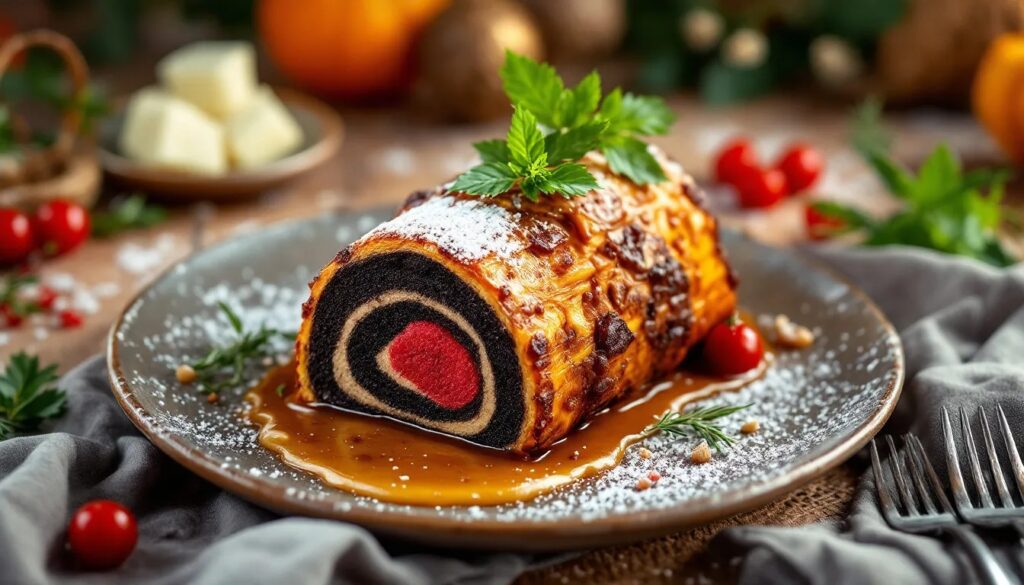
The flicker of candlelight, the hushed anticipation of Christmas morning, and the tantalizing aroma of vanilla and chocolate — these are the sensory memories conjured by the mere mention of a Buche de Noel. More than just a dessert, this magnificent ‘Yule Log’ cake is a culinary cornerstone of winter holiday celebrations across France and beyond, a sweet echo of ancient traditions transformed into a masterpiece of patisserie.
Its story begins not in a Parisian kitchen, but in the crackling hearths of pagan Europe. Millennia ago, during the shortest day of the year, communities gathered to burn a massive log, typically from an oak or ash tree. This ‘Yule Log’ was imbued with mystical significance, believed to bring good fortune, ward off evil spirits, and usher in the returning light of the sun. The embers were kept as protective charms, a tangible link between the old year and the new. As Christianity spread, many pagan customs were absorbed, and the Yule log tradition persisted, albeit often blended with Christian festive practices.
The edible transformation of this ceremonial log into a cake is largely attributed to French bakers in the 19th century. As homes evolved and large open hearths became less common, the symbolic log found a new, delicious form. Likely originating in Paris or Lyon, the Buche de Noel emerged as a ‘biscuit roulé’ – a light, airy sponge cake, rolled with a rich filling, and artfully decorated to resemble a rustic tree branch. This innovative dessert allowed families to maintain a cherished tradition in a more practical and, dare we say, delectable way.
The simple yet profound ingredients in a Buche de Noel tell their own tale of global migration and culinary evolution. Flour and eggs are ancient staples, while sugar, once a rare luxury from distant lands like New Guinea and India, journeyed across continents via the Spice Routes and Arab trade, eventually becoming accessible enough to fuel the European patisserie revolution. But it’s vanilla that perhaps has the most compelling migration story. Native to Mesoamerica, specifically the tropical forests where the Totonac people cultivated it, vanilla was unknown to Europe until Spanish conquistadors brought it back in the 16th century. It took centuries for its cultivation to spread globally, particularly after the development of hand-pollination techniques in the 1800s, turning it from an exotic curiosity into an indispensable flavor in desserts like our Yule Log.
Crafting a Buche de Noel is an act of culinary love. The foundation is a delicate genoise or biscuit roulé, baked thin, then gently rolled while warm to prevent cracking. This tender canvas is then unrolled and generously spread with a luscious filling—often a buttercream infused with chocolate, coffee, or praline. The cake is then re-rolled, frosted with a rich buttercream textured to mimic bark, and adorned with festive elements like meringue mushrooms, candied cranberries, or marzipan holly leaves. A dusting of powdered sugar completes the illusion of freshly fallen snow, creating a winter wonderland on your serving platter.
For the home baker, a few tips can ensure success. Don’t overbake the sponge, as a dry cake will crack when rolled. Use a clean, damp kitchen towel to roll the warm cake—this helps it retain its shape. When frosting, use a fork to create the ‘bark’ texture, adding to the rustic charm. And remember, the beauty of a Buche de Noel lies in its slightly imperfect, natural appearance. It’s not just a cake; it’s a celebration of history, tradition, and the enduring magic of the holiday season, served on a plate.
BUCHE DE NOEL (YULE LOG)
Embark on a culinary journey to the heart of holiday tradition with this foundational recipe for a Buche de Noel, a true showstopper for any festive gathering. This guide meticulously walks you through crafting the ethereal, tender sponge cake that forms the very soul of this iconic Yuletide log. While the artistry of assembly, luscious fillings, and exquisite decorations awaits further exploration, this segment provides the quintessential blueprint for a remarkably light and airy cake batter, promising a taste of classic warmth and celebratory cheer.
Ingredients
-
3
eggs
eggs
separated -
1
yolk
egg yolk -
2/3
cup
sugar -
1/2
teaspoon
vanilla -
1/2
cup
flour -
scant 1/2
teaspoon
cream of tartar -
Pinch
salt -
1
Tablespoon
sugar -
1 1/2
Tablespoons
tepid melted butter -
Powdered sugar
in a sieve (for dusting/rolling)
Instructions
-
Position an oven rack precisely in the center, then preheat your oven to a steady 375°F (190°C).
-
Generously butter a standard jelly roll pan, then carefully line it with a 12-by-21-inch sheet of waxed paper, allowing the edges to overhang on both ends for easy handling.
-
Lightly butter the surface of the waxed paper, then dust it evenly with a fine layer of flour, gently tapping out any surplus.
-
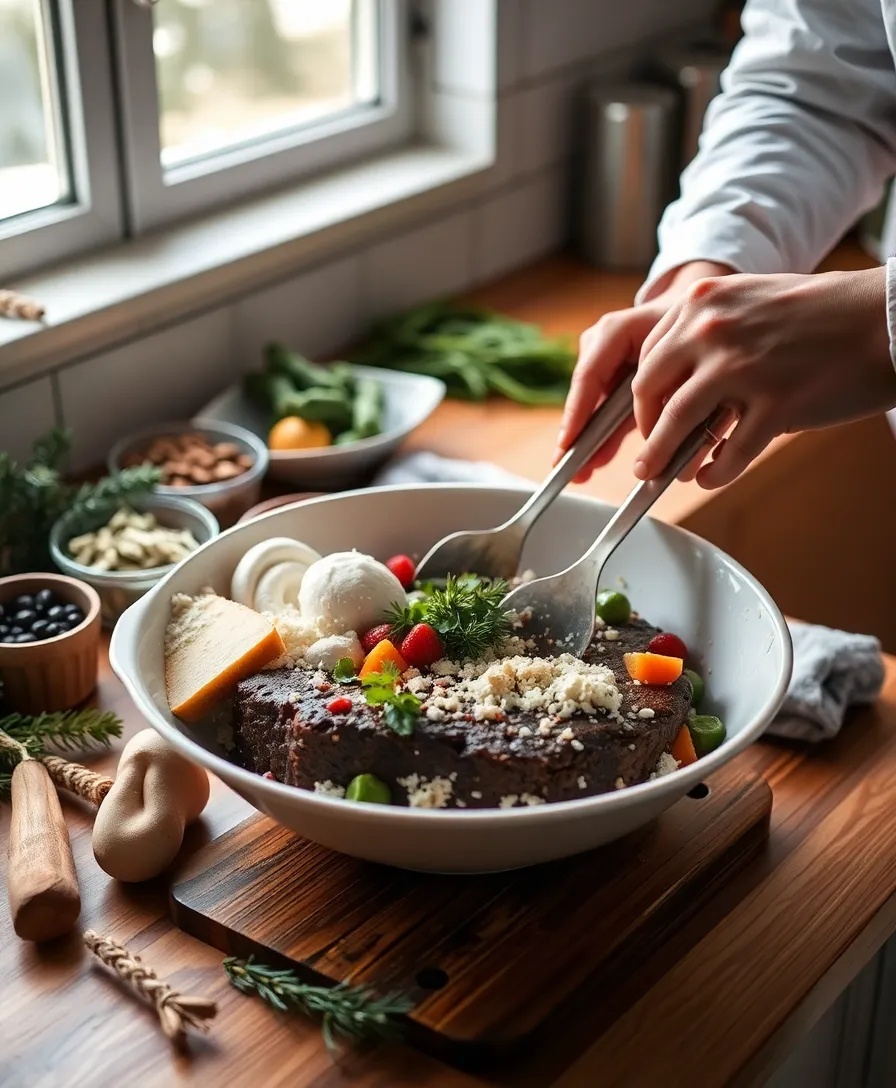
In a sizable mixing bowl, combine the 2/3 cup of granulated sugar with the egg yolks (derived from 3 whole eggs plus 1 additional yolk). Whisk vigorously until the mixture transforms into a luxuriously thick and pale yellow emulsion.
-
Proceed to fold in the 1/2 cup of all-purpose flour until just incorporated.
-
In a separate, meticulously clean bowl, begin to whip the egg whites (from 3 eggs) at a moderate speed. As soon as they begin to froth, introduce the cream of tartar and a pinch of salt.
-
Elevate the mixer speed to its highest setting, continuing to beat until the egg whites achieve soft, billowy peaks. Gently sprinkle in the 1 tablespoon of granulated sugar, then resume beating at full speed until the whites are stiff and glossy.
-
Delicately transfer the whipped egg whites atop the yolk mixture. With swift, gentle precision…
Recipe Notes
Please note that the instructions presented here are a partial excerpt. Comprehensive guidance for folding the egg whites into the yolk mixture, precise baking parameters, the crucial rolling technique, selection of fillings, and the final decorative flourishes are not included in this segment of the recipe.
Global Heritage Archive
Anthropological & Spice Migration Record
“A cherished culinary tradition in France and Francophone countries, this festive dessert is a centerpiece of Christmas and New Year celebrations, embodying warmth, family, and the joy of the holiday season with its rich flavors and elaborate decorations.”
🌿 Spice & Botanical Migration
The prominent flavor of vanilla in this recipe traces its botanical origin to Mesoamerica, specifically the Totonac people of what is now Veracruz, Mexico. It was introduced to Europe by Spanish conquistadors in the 16th century, though its widespread cultivation and affordability only came in the 19th century after hand-pollination techniques were developed, enabling its journey through the Columbian Exchange and eventually becoming a staple in European patisserie. Sugar, another key ingredient, originated in Southeast Asia and traveled west through ancient trade routes, becoming widely available in Europe after its cultivation expanded in the colonial era.
🏺 Historical & Archaeological Record
The oldest archaeological evidence or written record of a recipe type resembling the rolled sponge cake (biscuit roulé) that forms the base of the Buche de Noel can be found in European confectionary texts from the 18th century. While the specific ‘Buche de Noel’ designation and its modern form emerged in 19th century France, precursors to light, rolled sponge cakes were documented in culinary works of the period, such as those by French patissiers.
💡 Little Known Facts
- The edible Buche de Noel evolved from the ancient Celtic and Germanic pagan tradition of burning a large wooden log during the winter solstice to ensure a prosperous year and ward off evil spirits.
- Traditional French Buche de Noel decorations often include meringue mushrooms, marzipan holly leaves, and spun sugar cobwebs to mimic a forest floor and enhance its rustic, woodland aesthetic.
📸 Made This Heritage Recipe?
We would love to see how your dish turned out! Send a photo of your culinary creation to [email protected] to be featured in our community gallery.
Leave a review and rate this recipe below!
Curated Literature & Washington DC Downtown Calendar
The Culinary Alchemist: Modern Gastronomy & Flavor Pairing
By LDN Gastronomy Series
Artisanal technique, seasonal sourcing, and kitchen mastery.
Upcoming Downtown Happenings
Live acoustic sessions, gallery receptions, literary salons, and independent trade shows across Washington DC.
