
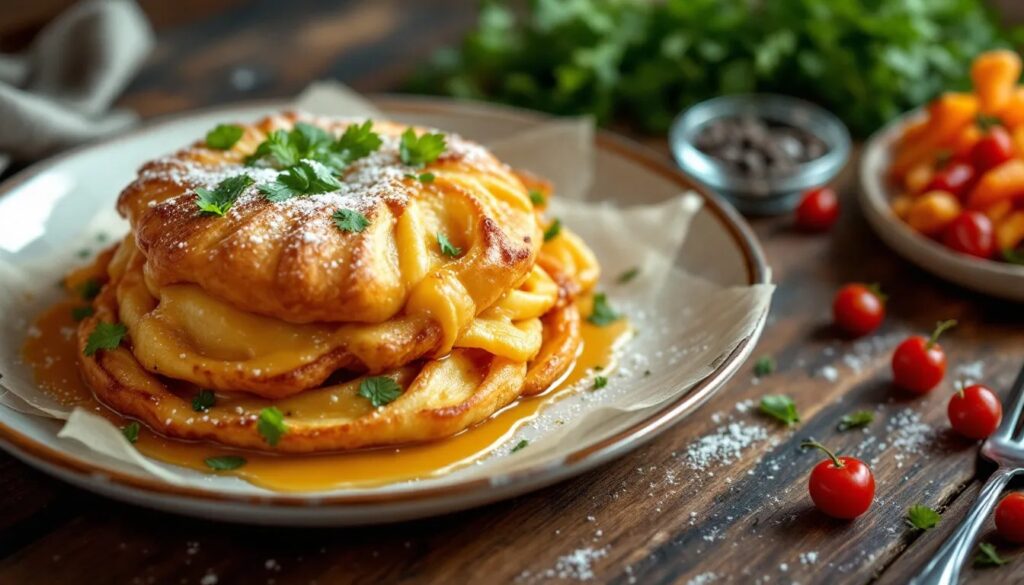
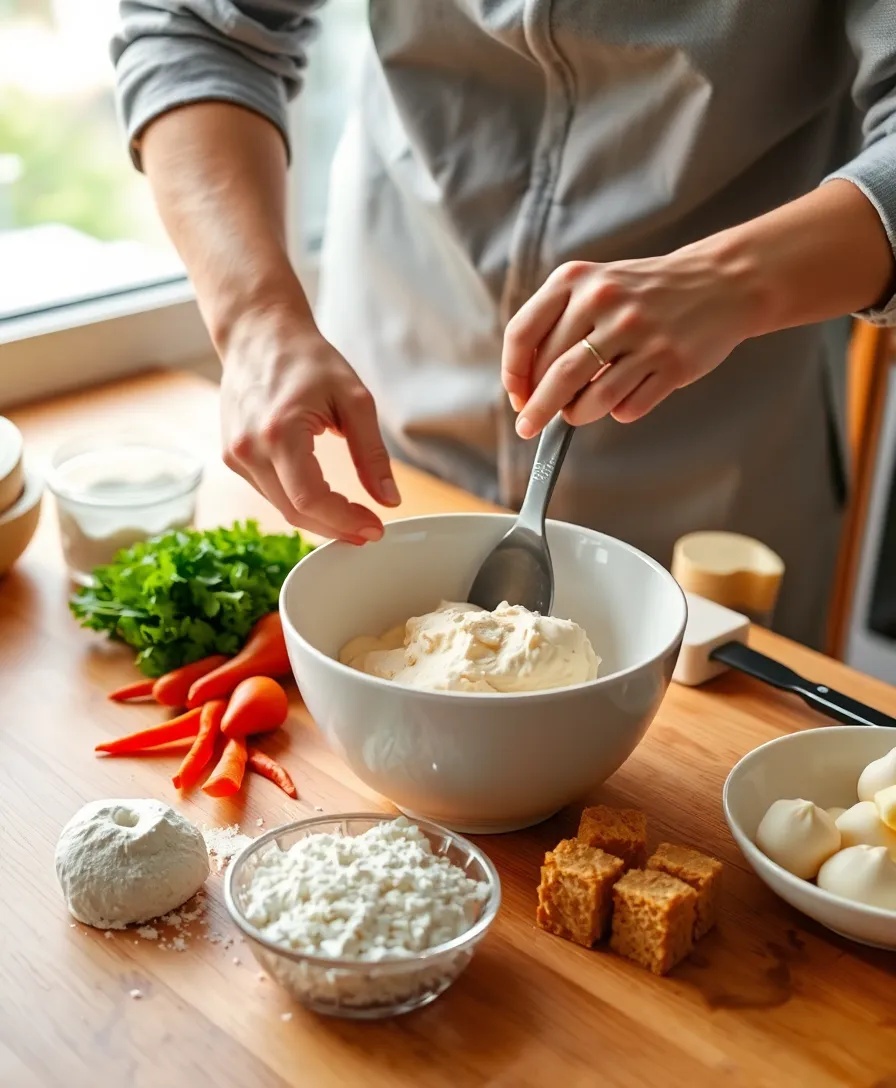
To utter the name ‘brioche’ is to conjure visions of golden perfection, a culinary masterpiece that embodies the very essence of French baking. It is a testament to the transformative power of a few simple, yet supremely luxurious, ingredients: flour, eggs, butter, and sugar, all meticulously combined with patience and passion. This isn’t merely a bread; it’s a whisper of history, a celebration of refinement, and a truly universal language of indulgence.
The roots of brioche extend deep into the agricultural heartlands of Europe. Wheat, the fundamental grain providing the flour, began its remarkable journey from the Fertile Crescent millennia ago, spreading westward to become the bedrock of European sustenance. However, it was the generous embrace of other ingredients that elevated brioche from a simple loaf to a culinary icon. The rich, yellow butter, indispensable to brioche’s ethereal texture and unparalleled flavor, speaks to the long-standing tradition of dairy farming in Western Europe, particularly in France. Eggs, too, whose lineage traces back to the domestication of fowl in Southeast Asia, arrived in Europe over centuries, contributing their richness and characteristic golden hue. And then there is sugar, an ingredient with a profoundly global story. Originally cultivated in Southeast Asia, cane sugar traversed the ancient Silk Road, arriving in Europe as a precious commodity. Its eventual wider availability, particularly after the Columbian Exchange led to vast plantations in the Americas, democratized sweetness, transforming it from an aristocratic luxury into a beloved component of everyday European pastries and desserts, brioche among them.
Brioche’s own historical narrative is as rich and nuanced as its crumb. Emerging in medieval Normandy, it began as a more rustic, enriched bread. Over centuries, particularly through the meticulous refinement of French patisserie, it evolved into the delicate, airy product we cherish today. Early mentions of “brioche” appear in French texts from the early 15th century, but it was during the French Renaissance and the opulent Rococo era that it truly flourished, becoming a fixture on aristocratic tables. While often linked to Marie Antoinette’s infamous, and likely apocryphal, “Let them eat cake” remark (“Qu’ils mangent de la brioche”), this association nonetheless underscores brioche’s status as a symbol of luxury and indulgence.
Traditional preparation is an art form. It demands dedicated kneading to fully develop the gluten in the flour, transforming a sticky mass into a smooth, elastic dough capable of holding its generous fat content. High-quality butter, often incorporated in stages or kept very cold, is paramount for achieving brioche’s characteristic tender, almost flaky interior. Patience is not just a virtue but a necessity; the dough requires a slow, cool fermentation, often overnight, to develop its complex flavors and achieve its signature airy structure. The final result, baked to a deep golden brown, boasts a delicate crust that yields to an impossibly soft, buttery crumb – a testament to the baker’s skill and the inherent magic of its carefully chosen ingredients. For the home baker, remember: cold butter, thorough kneading, and ample proofing time are your allies. Embrace the journey; the reward is a golden piece of edible history.
Brioche
Embark on a culinary journey to the heart of French patisserie with this exquisite brioche, a testament to the art of enriched bread-making. Each slice promises a silken, tender crumb that yields effortlessly, infused with a luxurious, golden butter flavor that truly elevates the everyday. While an unparalleled companion to your morning coffee or tea, it also stands as a sublime foundation for decadent sweet creations like puddings, transforming any occasion into an experience of refined indulgence.
Ingredients
-
1/3
cup
warm water
105 to 115°F -
1
package
active dry yeast
None -
3
Tablespoons
sugar
None -
1½
teaspoons
salt
None -
2/3
cup
butter
softened -
3
cups
all-purpose flour
None -
4
None
large eggs
room temperature -
1
None
egg yolk
None -
1
Tablespoon
water
for egg wash
Instructions
-
Into the sizable bowl of an electric stand mixer, gently cascade the active dry yeast over the specified volume of warm water, ensuring its temperature registers between 105-115°F. Stir meticulously until the yeast is fully dissolved.
-
Incorporate the granulated sugar and fine salt into the yeast mixture, stirring until both crystals have completely integrated.
-
Introduce the softened, unsalted butter, the four large eggs, and precisely two cups of all-purpose flour to the bowl.
-
Engage the mixer at a medium velocity for four minutes, pausing periodically to thoroughly scrape down both the sides of the bowl and the beater attachment to ensure uniform blending.
-
Carefully add the remaining cup of all-purpose flour. Continue mixing at a low speed for approximately one minute, or until the dough presents a smooth, cohesive, albeit notably soft, consistency.
-
Drape the bowl with a cover and place it in a consistently warm environment, ideally around 85°F, allowing the dough to proof until it has visibly doubled in volume, typically requiring between 2 to 2 ½ hours.
-
Employing a sturdy dough scraper, gently but firmly deflate the risen dough, releasing the accumulated gases.
-
Cover the bowl first with a layer of waxed paper, then with a lightly dampened kitchen towel, and transfer it to the refrigerator to chill thoroughly overnight.
-
The following day, transfer the chilled dough onto a lightly floured work surface. Knead briefly, for about one minute, until the dough achieves a pliable and smooth texture.
-
Proceed to shape the dough as desired for baking. Position the shaped dough in a warm place, covered with a clean kitchen towel, allowing it to undergo its final proof until it appears visibly risen and prepared for the oven.
-
In a small bowl, whisk together the egg yolk with one tablespoon of water to create an enriching wash. Gently brush this mixture over the surface of the proofed brioche for a lustrous, golden crust.
-
Bake in an oven preheated to 375°F for 30 minutes, or until the brioche is golden brown and thoroughly baked through.
Recipe Notes
Achieving the signature delicate texture and profound flavor of this brioche necessitates advanced planning. The overnight refrigeration is not merely a convenience but a crucial step, allowing the dough to develop its characteristic richness and making it more manageable for shaping.
Global Heritage Archive
Anthropological & Spice Migration Record
“A hallmark of French patisserie, brioche represents a rich tradition of baking where butter, eggs, and patience transform simple ingredients into an ethereal, celebratory indulgence.”
🌿 Spice & Botanical Migration
The recipe for brioche, characterized by its richness rather than aromatic spices, primarily utilizes ingredients central to European agricultural history. Wheat, the base for flour, originated in the Fertile Crescent around 10,000 BCE and spread westward into Europe, becoming a staple. Sugar, while now ubiquitous, has a more complex migration story, originating in Southeast Asia and traveling along the Silk Road before its cultivation spread globally, significantly impacting European diets and economies after the Columbian Exchange facilitated large-scale production in the Americas. The abundance of butter and eggs highlights the historical prevalence of dairy farming and poultry in Western Europe, particularly France, where these ingredients became synonymous with culinary luxury and distinction.
🏺 Historical & Archaeological Record
While the precise recipe for “brioche” as we know it emerged in France in the Middle Ages, the concept of enriched bread, incorporating fats and eggs, can be traced back to antiquity. Evidence of ancient Egyptian bakers using eggs and honey in bread has been found, and Roman texts describe sweet, enriched leavened breads. The first documented use of the term “brioche” appeared in French texts as early as 1404 in Normandy, describing a type of enriched bread.
💡 Little Known Facts
- The etymology of “brioche” is debated, with theories linking it to the Old French verb “brier” (to knead) or “broyer” (to pound), reflecting the intensive kneading required for its characteristic texture.
- While often misattributed to Marie Antoinette, the famous quote “Let them eat cake” (Qu’ils mangent de la brioche) was actually a reference to brioche, but it predates her and was likely a satirical fabrication by Jean-Jacques Rousseau.
📸 Made This Heritage Recipe?
We would love to see how your dish turned out! Send a photo of your culinary creation to [email protected] to be featured in our community gallery.
Leave a review and rate this recipe below!
Curated Literature & Washington DC Downtown Calendar
The Culinary Alchemist: Modern Gastronomy & Flavor Pairing
By LDN Gastronomy Series
Artisanal technique, seasonal sourcing, and kitchen mastery.
Upcoming Downtown Happenings
Live acoustic sessions, gallery receptions, literary salons, and independent trade shows across Washington DC.
