
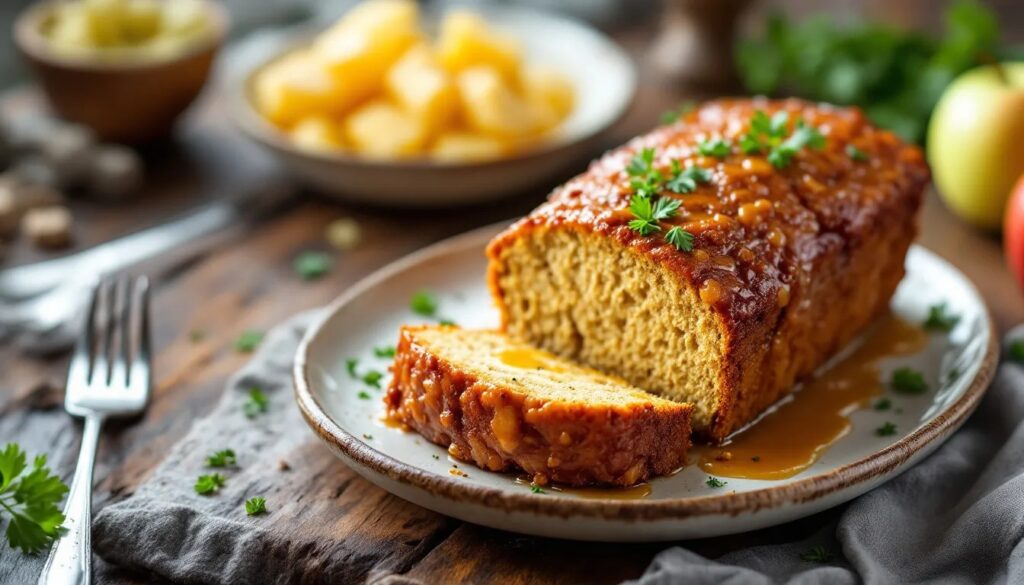
At its heart lies the apple, a fruit with roots tracing back to Central Asia, yet one that has journeyed across continents to become emblematic of European and North American autumns. Early European settlers brought apple seeds and saplings to the New World, finding fertile ground for orchards. The transformation of apples into applesauce, a tradition rooted in centuries-old European fruit preservation, became a staple in American households, not just as a side dish but as a versatile baking ingredient. Its natural pectin and moisture made it an excellent stand-in for fats and eggs, a valuable attribute during times of scarcity, such as the World Wars and the Great Depression, when resourceful homemakers creatively stretched their ingredients.
The spices—cinnamon and nutmeg—are ancient travelers themselves. Cinnamon, a fragrant bark from Sri Lanka, and nutmeg, the aromatic seed from the volcanic Banda Islands of Indonesia, once commanded fortunes along the fabled Spice Routes. Their journey to a seemingly simple American loaf is a testament to the persistent threads of global commerce. Having become firmly entrenched in European sweet baking traditions, they crossed the Atlantic with colonists, becoming standard fare in Anglo-American kitchens, their warmth and perfume transforming plain batters into something special.
The architectural backbone of this loaf—the leavening provided by baking powder and baking soda—marks a pivotal moment in culinary history. Before the mid-19th century, most leavened baked goods relied on yeast, a process demanding patience and time. The advent and widespread commercialization of chemical leavening agents revolutionized home baking, giving rise to “quick breads” like this applesauce loaf. Suddenly, a tender, fragrant loaf could be whipped up in a fraction of the time, democratizing the joy of fresh-baked goods.
Traditional preparation methods for such a loaf emphasized simplicity: creaming fats and sugar, incorporating eggs, then alternately adding dry and wet ingredients—a method still largely followed today. The chopped walnuts add a crucial textural counterpoint and nutty richness, drawing on a long tradition of adding nuts to baked goods across many cultures.
For the modern baker, crafting an Apple Sauce Loaf is both an act of historical appreciation and a delightful sensory experience. A key tip is not to overmix the batter once the flour is added; this can develop the gluten too much, resulting in a tough loaf. The quality of your applesauce matters: a good, unsweetened or lightly sweetened homemade applesauce allows you to control the sugar levels and provides a fresher flavor, though good quality store-bought varieties work perfectly. Ensure the loaf is baked until a skewer inserted into the center comes out clean, but avoid overbaking, which can dry out its wonderfully moist crumb. This loaf is more than just a recipe; it’s a tangible link to a past where ingenuity, global flavors, and the warmth of a home kitchen converged to create enduring comfort.
APPLE SAUCE LOAF
Unearth a symphony of flavors and textures with this exquisite Apple Spiced Loaf, a culinary treasure that elevates humble kitchen staples into an experience of pure comfort. Each tender slice is a testament to timeless baking, brimming with the warmth of seasonal spices and the gentle sweetness of applesauce. Ideal for a refined breakfast, an afternoon indulgence with a cup of tea, or a subtly sweet finish to any meal, this quick bread promises a moment of soulful delight with every fragrant bite.
Ingredients
-
0.5
cup
shortening -
1
cup
sugar -
2
eggs -
1
teaspoon
salt -
1.75
cups
all-purpose flour -
1
teaspoon
baking powder -
0.5
teaspoon
baking soda -
0.5
teaspoon
cinnamon -
0.5
teaspoon
nutmeg -
1
cup
sweetened applesauce -
0.5
cup
chopped walnuts
Instructions
-
In the basin of a stand mixer, or a spacious mixing bowl, thoroughly cream the shortening and granulated sugar together until the mixture achieves a pale, aerated, and fluffy consistency.
-
Incorporate the eggs sequentially, ensuring each addition is fully beaten and integrated into the mixture before introducing the next. Continue beating until the entire blend becomes notably light and voluminous.
-
In a separate, medium-sized bowl, whisk together the all-purpose flour, baking powder, baking soda, ground cinnamon, ground nutmeg, and fine sea salt, ensuring all components are thoroughly combined and free of lumps.
-
Gradually introduce the prepared dry ingredients into the creamed mixture, alternating with the unsweetened applesauce. Begin and conclude this process with the dry blend, mixing just until ingredients are thoroughly moistened and combined, taking care not to overmix.
-
Delicately fold the chopped walnuts into the batter until evenly dispersed.
-
Transfer the prepared batter into a 9x5x3 inch loaf pan that has been previously lined with parchment paper and lightly greased to prevent sticking.
-
Bake in an oven preheated to 350°F (175°C) for approximately 60 minutes, or until a wooden skewer or toothpick inserted into the center emerges pristine and crumb-free, indicating complete doneness.
-
Allow the baked loaf to rest within its pan for a period of 10 minutes before carefully inverting it onto a wire rack to achieve full cooling.
-
Should you desire, a sweet glaze may be artfully drizzled over the loaf while it is still warm, offering an additional layer of sugary indulgence (glaze preparation details are not included within this recipe).
Recipe Notes
To elevate this loaf further, consider adorning it with a simple, elegant glaze. A blend of confectioners’ sugar with a touch of fresh lemon juice or a hint of milk creates a delicate sheen and a subtle boost of sweetness that beautifully complements the bread’s spiced profile.
Global Heritage Archive
Anthropological & Spice Migration Record
“A culinary culture centered on practical, comforting home-baked goods, often utilizing seasonal fruits and pantry staples, reflecting a blend of European influences adapted to American ingredients and technological advancements in baking.”
🌿 Spice & Botanical Migration
The aromatic combination of cinnamon and nutmeg in this loaf is a testament to global trade. Cinnamon, native to Sri Lanka, and nutmeg, originating from Indonesia’s Banda Islands, traversed ancient Spice Routes to reach European markets. Subsequently, these prized spices were carried across the Atlantic during the Columbian Exchange and sustained through subsequent trade, becoming foundational elements in Anglo-American sweet baking traditions.
🏺 Historical & Archaeological Record
While ancient civilizations baked leavened breads, the specific form of a “quick bread” or loaf cake utilizing chemical leavening (baking soda/powder) is a more modern development. Recipes for “applesauce cake” or “loaf” incorporating these leavening agents began appearing in American cookbooks in the late 19th century, with significant popularization in the early to mid-20th century. For example, the *Woman’s Suffrage Cookbook* (1886) featured an “Apple Sauce Cake” recipe.
💡 Little Known Facts
- Applesauce frequently served as a popular fat or egg substitute in American baking, particularly during periods of economic hardship or wartime rationing (e.g., WWI and WWII), contributing to the moist texture of many baked goods.
- The widespread availability of commercial baking powder and soda in the mid-19th century revolutionized American home baking, enabling the rapid rise of “quick breads” like this loaf, which could be made without the lengthy proofing times required for yeast-leavened doughs.
📸 Made This Heritage Recipe?
We would love to see how your dish turned out! Send a photo of your culinary creation to [email protected] to be featured in our community gallery.
Leave a review and rate this recipe below!
Curated Literature & Washington DC Downtown Calendar
The Culinary Alchemist: Modern Gastronomy & Flavor Pairing
By LDN Gastronomy Series
Artisanal technique, seasonal sourcing, and kitchen mastery.
Upcoming Downtown Happenings
Live acoustic sessions, gallery receptions, literary salons, and independent trade shows across Washington DC.
