
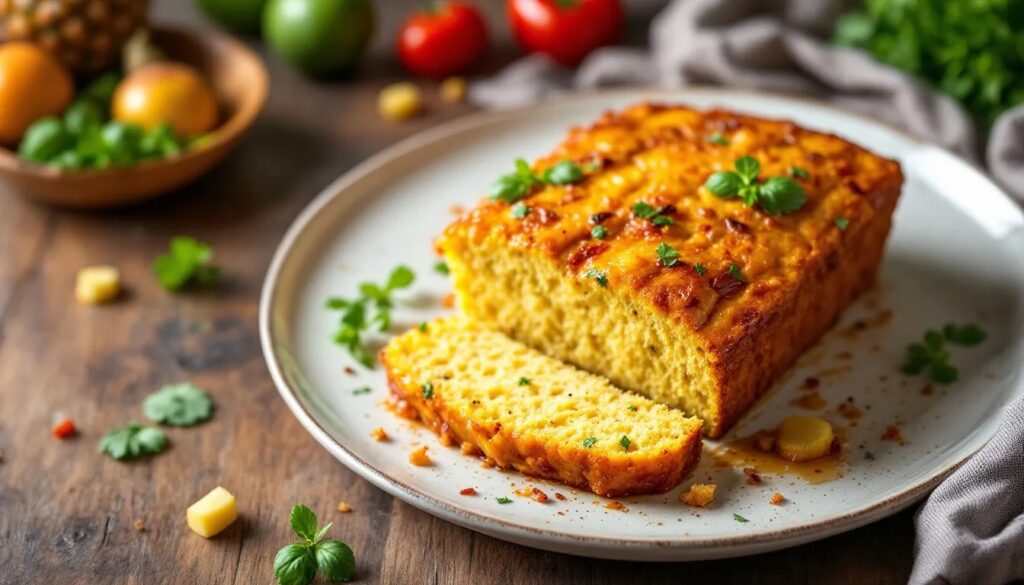
Imagine a bustling American kitchen in the mid-20th century. The garden overflows with zucchini, a prolific squash native to the Americas that traveled to Italy, where it was embraced and refined, only to return to the New World with a new name and renewed culinary potential. Meanwhile, the pantry holds a can of crushed pineapple, a symbol of exotic lands and industrial innovation, brought from distant tropical shores, made accessible and affordable by the marvels of canning. These two seemingly disparate ingredients, one a garden staple, the other a tropical luxury, found common ground in the American quick bread.
The quick bread itself is a characteristically American invention, born from a desire for speed and simplicity in baking. Unlike its yeast-leavened ancestors, quick breads rely on chemical leaveners – baking soda and baking powder – which became widely available in the 19th century. This innovation freed home bakers from the lengthy process of kneading and proofing, ushering in an era of easily achievable, moist, and tender loaves.
The supporting cast of ingredients further deepens this narrative. Sugar, once a rare luxury, became a global commodity, its journey steeped in colonial history. Flour, the bedrock of bread-making, represents millennia of agricultural development. And then there are the spices: cinnamon and nutmeg, whispers of ancient trade routes, traversing continents from the spice islands of Southeast Asia to adorn Western desserts. These precious aromatics, once indicators of wealth, now democratically elevate the simplest of home-baked goods. Vanilla, too, a fragrant orchid pod from Mesoamerica, weaves its exotic perfume through the batter, a ghost of pre-Columbian civilizations.
Preparing Zucchini Pineapple Bread is an act of simple alchemy. The coarsely ground zucchini contributes moisture and an earthy counterpoint, while the crushed pineapple infuses the loaf with a bright, tangy sweetness. A crucial tip for success: ensure the zucchini is well-drained, especially if it’s particularly watery, and similarly, press excess liquid from the crushed pineapple to prevent a soggy outcome. The “salad oil” specified in many mid-century recipes speaks to a shift from butter to more neutral, liquid fats, offering a lighter texture and longer shelf life. Don’t overmix the batter; a gentle hand ensures a tender crumb. The nuts, often walnuts or pecans, add a delightful textural contrast and nutty depth, while raisins, dried jewels of the vine, contribute bursts of concentrated sweetness.
This bread is more than just a recipe; it’s a culinary artifact, encapsulating centuries of exploration, trade, and the boundless creativity of the human spirit. Each slice offers a taste of history, a warm, spiced embrace that bridges continents and eras, proving that sometimes, the most extraordinary stories are baked into the everyday.
ZUCCHINI PINEAPPLE BREAD
Unveil a symphony of garden-fresh verdure and sun-drenched tropical bliss with our exceptional Zucchini Pineapple Bread. This cherished quick bread masterfully marries the delicate, inherent moisture of grated zucchini with the vibrant, zesty sweetness of crushed pineapple, crafting a loaf that transcends the ordinary. Each slice promises an exquisitely tender crumb and a balanced medley of flavors, making it an idyllic companion for a leisurely morning, an uplifting afternoon indulgence, or a heartfelt gesture when shared.
Ingredients
-
3
eggs
None -
2
cups
sugar
None -
1
cup
salad oil
None -
2
tsp.
vanilla
None -
2
cups
coarsely ground zucchini
None -
8½
oz.
crushed pineapple
can, well-drained -
3½
cups
unsifted flour
None -
1
tsp.
salt
None -
½
tsp.
cinnamon
None -
1
cup
chopped nuts
None -
1½
tsp.
baking soda
None -
1
tsp.
baking powder
None -
¾
tsp.
nutmeg
None -
1
cup
raisins
optional
Instructions
-
In a capacious mixing bowl, whisk the eggs until just combined. Gradually incorporate the salad oil, granulated sugar, and pure vanilla extract, continuing to beat the mixture vigorously until it achieves a noticeably thick and aerated, frothy consistency.
-
Gently fold the finely grated zucchini and thoroughly drained crushed pineapple into the prepared wet mixture, ensuring an even distribution.
-
In a separate, medium-sized bowl, meticulously combine the all-purpose flour, fine sea salt, ground cinnamon, chopped nuts (such as walnuts or pecans), baking soda, baking powder, aromatic nutmeg, and, if desired, the plump raisins, ensuring they are well dispersed.
-
Carefully introduce the dry ingredient blend into the zucchini mixture, stirring with a light hand only until the ingredients are just incorporated and no streaks of dry flour remain. Avoid overmixing.
-
Evenly distribute the batter between two standard 5 x 9-inch loaf pans that have been meticulously greased and lightly floured.
-
Transfer the pans to a preheated oven set to 350°F (175°C) and bake for approximately one hour, or until a wooden skewer inserted into the center of a loaf comes out clean.
-
Allow the baked loaves to cool within their pans for a full 10 minutes before carefully inverting them onto a wire cooling rack to complete the cooling process entirely.
Recipe Notes
For smaller, gift-ready loaves, this recipe can alternatively be baked in four 4 x 7-inch pans, adjusting baking time as needed. This cherished formulation is thoughtfully attributed to John Ferris.
Global Heritage Archive
Anthropological & Spice Migration Record
“A culinary culture characterized by resourceful home baking, often adapting seasonal produce and pantry staples into sweet, comforting treats, particularly popular in community cookbooks and family recipes.”
🌿 Spice & Botanical Migration
Cinnamon and nutmeg, originating from Southeast Asia (Sri Lanka and the Banda Islands, respectively), traveled through ancient Spice Routes to the Middle East and Europe, becoming deeply integrated into Western sweet baking traditions. Vanilla, native to Mexico, was introduced to Europe after the Columbian Exchange and its cultivation spread globally in the 19th century, eventually becoming a ubiquitous flavor in American desserts.
🏺 Historical & Archaeological Record
The concept of sweet quick breads, relying on chemical leavening agents like baking soda and baking powder, emerged primarily in the United States in the 19th century. While ancient civilizations baked various forms of bread, the earliest written recipes for quick breads of this specific type (using chemical leavening with fruits/vegetables) appear in American cookbooks from the mid-to-late 19th century onwards, evolving significantly in the 20th century.
💡 Little Known Facts
- Zucchini bread’s popularity surged in the United States during the mid-20th century, largely as a creative and delicious way to utilize the often-bountiful summer harvests of zucchini from home gardens.
- The widespread availability and affordability of canned pineapple in the 20th century, particularly popularized by companies like Dole, made it a staple ingredient in American baking, signifying an era of convenient tropical flavors.
📸 Made This Heritage Recipe?
We would love to see how your dish turned out! Send a photo of your culinary creation to [email protected] to be featured in our community gallery.
Leave a review and rate this recipe below!
Curated Literature & Washington DC Downtown Calendar
The Culinary Alchemist: Modern Gastronomy & Flavor Pairing
By LDN Gastronomy Series
Artisanal technique, seasonal sourcing, and kitchen mastery.
Upcoming Downtown Happenings
Live acoustic sessions, gallery receptions, literary salons, and independent trade shows across Washington DC.
