
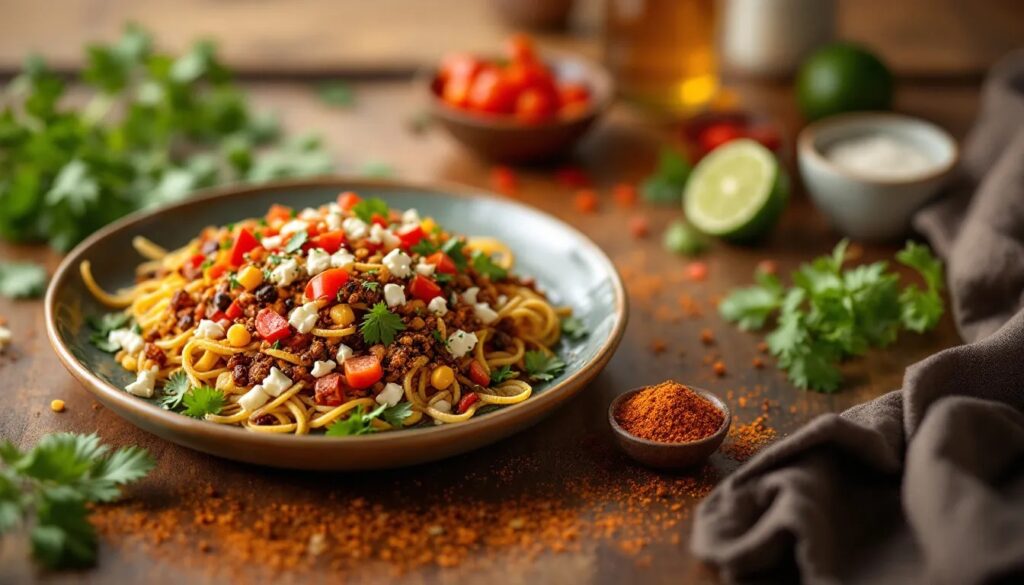
In the bustling aisles of American supermarkets, nestled between an array of spice jars and dried herbs, lies a deceptively humble packet: ‘Taco Seasoning Mix.’ For many, it’s the indispensable shortcut to a beloved weeknight meal, a vibrant burst of flavor that transforms ground meat into a culinary fiesta. Yet, beneath its unassuming exterior, this blend is a profound testament to culinary evolution, global trade, and the fascinating ways cultures adapt and popularize food.
To understand taco seasoning, one must first look beyond its convenient packaging to its spiritual home: the vibrant kitchens of Mexico and the distinct culinary landscape of the American Southwest, particularly Tex-Mex cuisine. Traditional Mexican cooking is a tapestry woven with fresh chilies, aromatic herbs, and ancient techniques. The commercial ‘taco seasoning mix’ as we know it today, however, is largely an American innovation of the 20th century. Born from a post-WWII desire for convenience and a growing fascination with ‘ethnic’ foods, companies like Old El Paso and McCormick began to package pre-mixed spices, making it easy for home cooks to recreate the flavors of tacos without having to source individual spices. It democratized a complex flavor profile, turning ‘taco night’ into a widespread American tradition.
The ingredients within the packet tell a sprawling tale of global migration. The fiery backbone of chile powder and cayenne pepper proudly proclaims its lineage from the Americas. Long before European contact, indigenous peoples cultivated countless varieties of *Capsicum* peppers, which then traversed oceans through the Columbian Exchange, forever altering cuisines worldwide. Counterbalancing this heat is cumin, an earthy, pungent spice whose journey began in the Middle East and Mediterranean, traveling along ancient Silk and Spice Routes before being introduced to the Americas by Spanish conquistadors. Dried oregano, while often generic in commercial blends, ideally nods to Mexican oregano (*Lippia graveolens*), a distinct varietal indigenous to the Americas, offering a unique citrusy, earthy note different from its Mediterranean cousin (*Origanum vulgare*).
Onion and garlic powder, ancient culinary mainstays from Central Asia, are here in their convenient, dehydrated forms, reflecting modern food processing. Even flour, often present as a thickener and anti-caking agent, speaks to agricultural advancements and the blending of European ingredients into traditional corn-based cuisines. This blend is thus a symphony of continents, a culinary map in miniature, reflecting centuries of trade, conquest, and cultural exchange.
While the commercial mix offers unparalleled ease, a true culinary philosopher understands the joy of personalization. To elevate a packet mix, consider adding a dash of fresh garlic and onion while browning your meat, a squeeze of lime juice at the end, or a sprinkle of freshly chopped cilantro. For the adventurous, crafting your own blend from scratch—toasting whole cumin seeds, grinding dried chilies, and choosing between Mexican or Mediterranean oregano—offers a depth of flavor and a connection to culinary history that is truly rewarding. Whether you embrace the convenience of the packet or embark on a bespoke spice journey, taco seasoning remains a beloved staple, a testament to how flavors travel, evolve, and become part of our shared human story, inviting endless possibilities for culinary exploration.
TACO SEASONING MIX
Unleash the authentic, spirited essence of Southwestern cuisine directly into your culinary repertoire with this meticulously crafted seasoning blend. Far beyond a mere convenience, creating your own mix guarantees an unparalleled freshness and a nuanced flavor profile that store-bought alternatives simply cannot match. It’s a versatile foundation, ready to infuse weeknight meals with a vibrant zest or elevate any festive spread into a truly memorable culinary event.
Ingredients
-
3
tbsp.
chile powder
None -
2
tsp.
ground cumin
None -
1/2
tsp.
onion powder
None -
1/2
tsp.
cayenne pepper
None -
2
tbsp.
flour
None -
2
tsp.
dried oregano
None -
1/2
tsp.
garlic powder
None -
1/2
tsp.
salt
None
Instructions
-
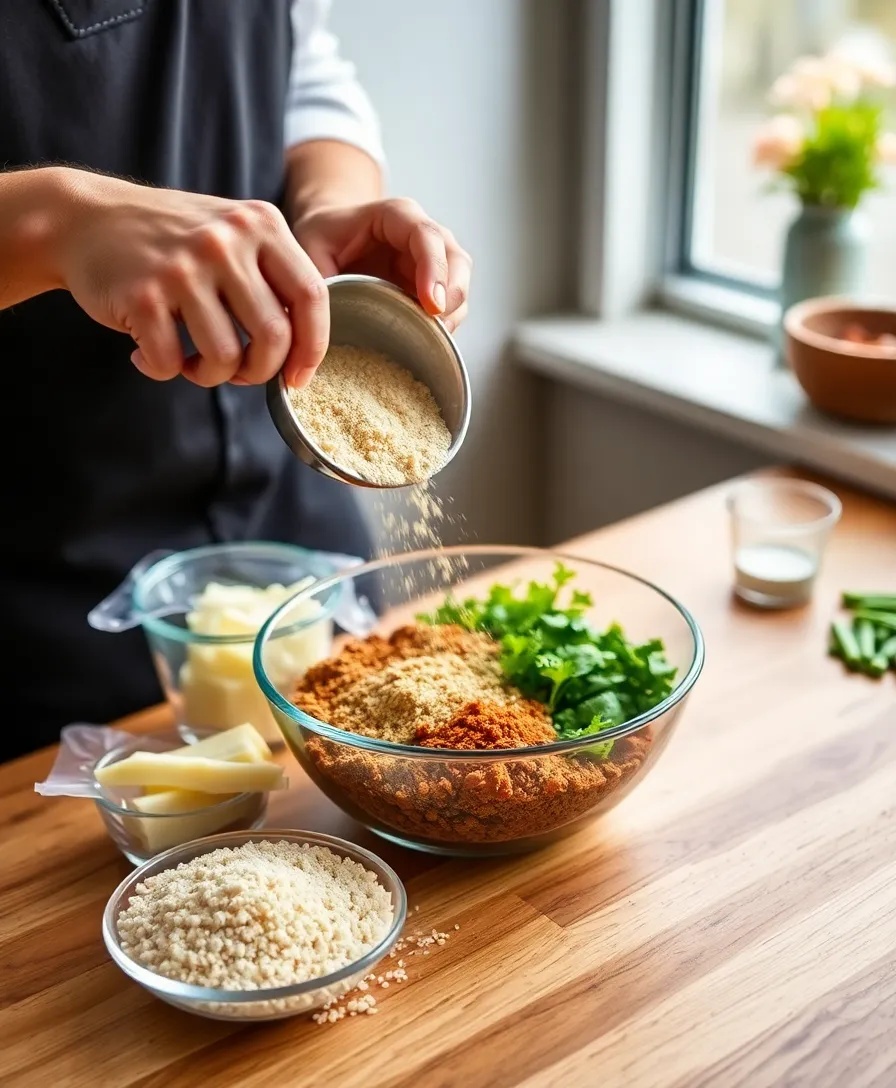
Into a durable, zip-top pouch, meticulously deposit the chile powder, all-purpose flour, ground cumin, dried oregano, granulated onion, garlic powder, fine sea salt, and a whisper of cayenne pepper.
-
Seal the pouch securely, ensuring any excess air is expelled, then vigorously agitate until all the spices and flour are thoroughly and uniformly combined, achieving a consistent, homogeneous blend.
Recipe Notes
For a perfect flavor balance when preparing one pound of ground beef, incorporate one tablespoon of this bespoke seasoning. For optimal freshness and peak potency, store your blend in an airtight vessel away from direct light and heat.
Global Heritage Archive
Anthropological & Spice Migration Record
“A culinary culture characterized by adaptation, convenience, and the widespread popularization of Mexican-inspired flavors for a broad home cooking audience.”
🌿 Spice & Botanical Migration
The key spices in taco seasoning tell a global story: chile powder and cayenne originate from the Americas, spread worldwide by the Columbian Exchange. Cumin and Mediterranean oregano embarked on ancient journeys from the Middle East/Mediterranean via the Silk and Spice Routes, later brought to the Americas by Spanish colonizers. Garlic and onion, with Central Asian roots, have been global staples for millennia, their powdered forms a modern convenience.
🏺 Historical & Archaeological Record
While the exact ‘taco seasoning mix’ is a modern invention, the concept of seasoning meat to be consumed with corn tortillas (tlaxcalli) dates back thousands of years in Mesoamerica. Archaeological evidence from Oaxaca, Mexico, shows corn cultivation and tortilla production from as early as 1500-1000 BCE, with chilies a fundamental seasoning element in the region since ancient times.
💡 Little Known Facts
- The first commercially successful ‘taco kit,’ complete with pre-fried taco shells and seasoning packets, was popularized by companies like Old El Paso starting in the 1930s-1950s, making ‘taco night’ a household phenomenon.
- The inclusion of flour in many commercial taco seasoning mixes serves a dual purpose: it acts as an anti-caking agent to keep the spices free-flowing and helps to thicken the seasoned meat mixture, giving it a more cohesive texture.
📸 Made This Heritage Recipe?
We would love to see how your dish turned out! Send a photo of your culinary creation to [email protected] to be featured in our community gallery.
Leave a review and rate this recipe below!
Curated Literature & Washington DC Downtown Calendar
The Culinary Alchemist: Modern Gastronomy & Flavor Pairing
By LDN Gastronomy Series
Artisanal technique, seasonal sourcing, and kitchen mastery.
Upcoming Downtown Happenings
Live acoustic sessions, gallery receptions, literary salons, and independent trade shows across Washington DC.
