
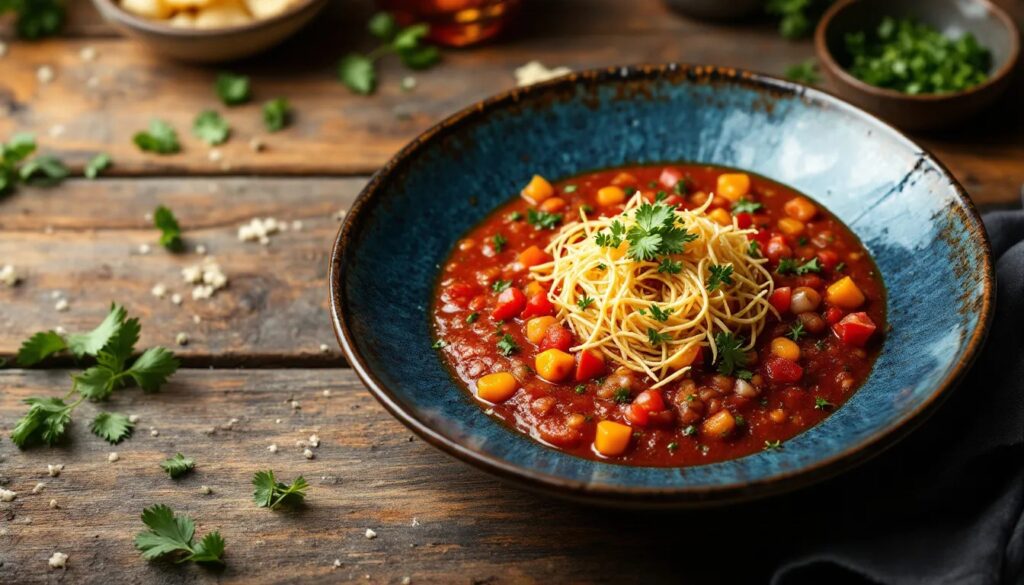
The very mention of “Southwestern Salsa” conjures images of vibrant colors, sun-drenched landscapes, and a tantalizing dance of flavors that speak volumes about a rich tapestry of human history and cultural exchange. Far more than a mere condiment, this salsa is a culinary chronicle, a living testament to the collision and cohesion of worlds that defined the American Southwest.
Its origins are deeply rooted in the ancient Americas, long before European footsteps ever graced its soil. The fundamental building blocks—the fiery green chile and the luscious, ripe tomato—are both proud native inhabitants of the New World. Archaeological evidence points to chiles being cultivated in Ecuador over 6,000 years ago, while tomatoes, originating in the Andean highlands, were domesticated in Mesoamerica by 500 BCE. Indigenous peoples, such as the Aztecs, Mayans, and various Pueblo nations, were already crafting complex sauces from these ingredients, grinding them with molcajetes to create precursors to what we now call salsa. These fresh, vibrant concoctions were central to their diets, providing both flavor and essential nutrients.
The arrival of the Spanish in the 16th century, heralded by the Columbian Exchange, initiated a profound transformation. While they carried chiles and tomatoes across oceans to the Old World, forever altering European, Asian, and African cuisines, they also brought their own culinary heritage to the Americas. With them came ingredients like the olive, a cornerstone of Mediterranean diet for millennia, originating in the Fertile Crescent. Olive trees, brought by missionaries, found new homes in the California missions, and their oil, along with the fruit itself, began to integrate into regional American cooking. The pungent bite of black pepper, native to the Malabar Coast of India, also journeyed along ancient spice routes before making its way to Europe and then across the Atlantic, becoming a ubiquitous seasoning. Green onions, with their ancient Asian roots, joined the global pantry, finding a place in this evolving culinary landscape.
Thus, Southwestern Salsa is a vibrant fusion. It’s the indigenous chile and tomato meeting the Old World olive and black pepper, all bound together with a touch of vinegar, a preserving agent known across diverse cultures. This blend reflects the Hispano-American experience, where Spanish traditions melded with native ingredients and techniques, further shaped by subsequent American influences. It’s a dish that narrates stories of conquistadors, missionaries, settlers, and indigenous resilience, all simmering together in a bowl.
Crafting the perfect Southwestern Salsa is an art form that prizes freshness and balance. Start with the finest ingredients: firm, ripe tomatoes, crisp green chiles (whether fresh or roasted for added depth and smokiness), and fragrant green onions. The olives add an unexpected brininess and depth, a nod to the Mediterranean influence that beautifully complements the native sweetness and heat. A good quality oil, perhaps a light olive oil, helps to meld the flavors and provide a luxurious mouthfeel. The key is in the chop—uniform pieces ensure every spoonful delivers a harmonious blend of textures and tastes. Don’t be afraid to experiment with the type of green chile, from mild Anaheim to fiery serrano, to tailor the heat to your preference. Allow the salsa to rest for at least 30 minutes before serving; this crucial step allows the myriad of flavors to meld and deepen, transforming individual components into a cohesive, unforgettable symphony. This salsa isn’t just a dish; it’s a journey through time, a celebration of cultural exchange, and a deliciously fresh bite of history.
SOUTHWESTERN SALSA
Unleash a symphony of sun-drenched flavors with this exquisite Southwestern Salsa, a dynamic culinary companion designed to awaken the palate. Each scoop offers a masterful blend, marrying the juicy sweetness of garden-fresh tomatoes with the spirited warmth of verdant chiles, complemented by the piquant depth of cured olives and the bright, pungent snap of scallions. This vibrant concoction pays homage to the robust, earthy essence of the American Southwest’s esteemed gastronomic heritage. Whether gracing a platter as a captivating crudité companion or serving as a lively enhancer to your favorite dishes, it promises an unforgettable epicurean journey.
Ingredients
-
2
cans
chopped green chile
None -
4
None
ripe tomatoes
diced -
2
tbsp.
vinegar
None -
None
None
salt
to taste -
None
None
pepper
to taste -
4
None
green onions
diced -
2
cans
chopped ripe olives
None -
2
tbsp.
oil
None
Instructions
-
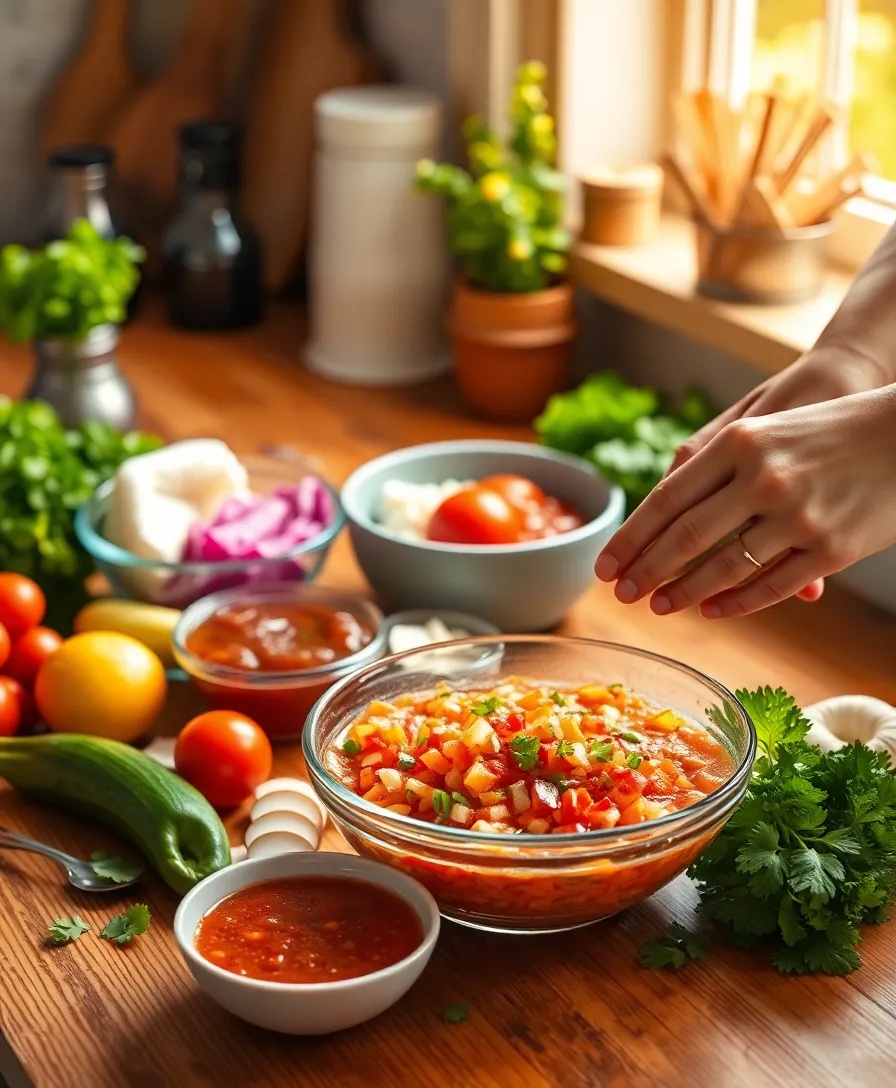
In a generously sized mixing bowl, meticulously combine all the prepared ingredients, stirring until every element is uniformly distributed and harmonious.
Recipe Notes
This versatile creation excels as a sophisticated accompaniment. Elevate your appetizer spread by pairing its vibrant character with the rustic crunch of artisanal blue corn tortilla chips, transforming a simple snack into a gourmet delight. Beyond the dip bowl, consider incorporating its captivating zest and complexity into a delicate morning omelet for an unexpected, flavorful breakfast enhancement.
Global Heritage Archive
Anthropological & Spice Migration Record
“A vibrant fusion cuisine born from indigenous ingredients, Spanish colonial traditions, and subsequent American influences, characterized by a profound love for chiles and fresh, layered flavors.”
🌿 Spice & Botanical Migration
The core ingredients, green chile and ripe tomatoes, are native to the Americas, spreading globally after the Columbian Exchange. Conversely, black pepper (Piper nigrum) originated in Southern India and traveled via ancient Spice Routes, while olives hail from the Mediterranean basin; both were introduced to the Americas by European colonists, creating this distinctive fusion.
🏺 Historical & Archaeological Record
Archaeological evidence of chile use dates back over 6,000 years in Ecuador, and tomatoes were domesticated in Mesoamerica by 500 BCE. The preparation of chile-based sauces combining these ingredients is documented in Aztec culinary practices from around the 14th to 16th centuries.
💡 Little Known Facts
- While ‘salsa’ is the Spanish word for ‘sauce,’ the concept of a chile-and-tomato-based sauce predates European arrival in the Americas, with indigenous Mesoamerican civilizations crafting similar condiments for millennia.
- The inclusion of olives, a hallmark ingredient of Mediterranean cuisine, in a Southwestern salsa is a direct culinary legacy of Spanish colonization, showcasing the fusion of Old World and New World ingredients.
📸 Made This Heritage Recipe?
We would love to see how your dish turned out! Send a photo of your culinary creation to [email protected] to be featured in our community gallery.
Leave a review and rate this recipe below!
Curated Literature & Washington DC Downtown Calendar
The Culinary Alchemist: Modern Gastronomy & Flavor Pairing
By LDN Gastronomy Series
Artisanal technique, seasonal sourcing, and kitchen mastery.
Upcoming Downtown Happenings
Live acoustic sessions, gallery receptions, literary salons, and independent trade shows across Washington DC.
