
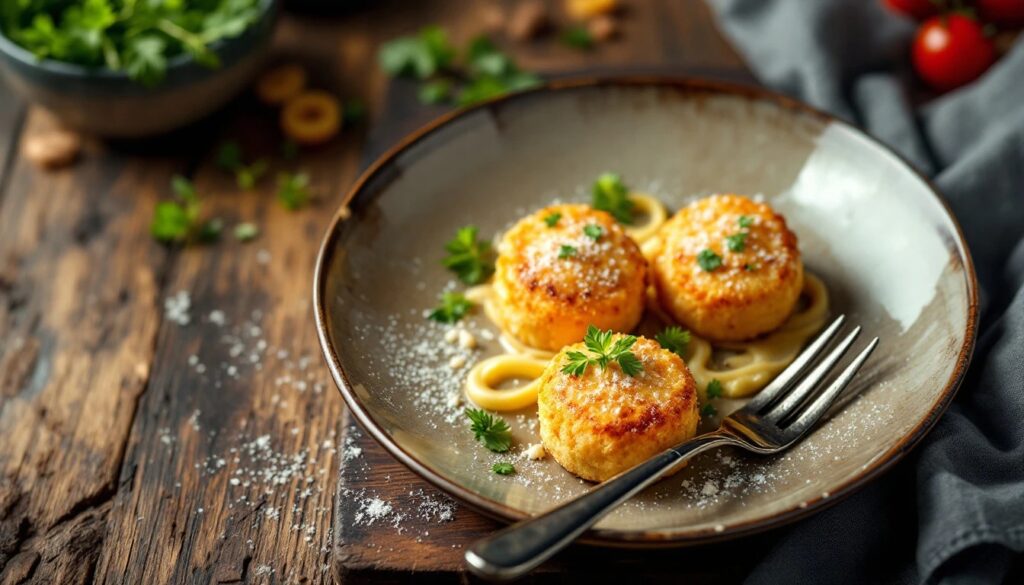
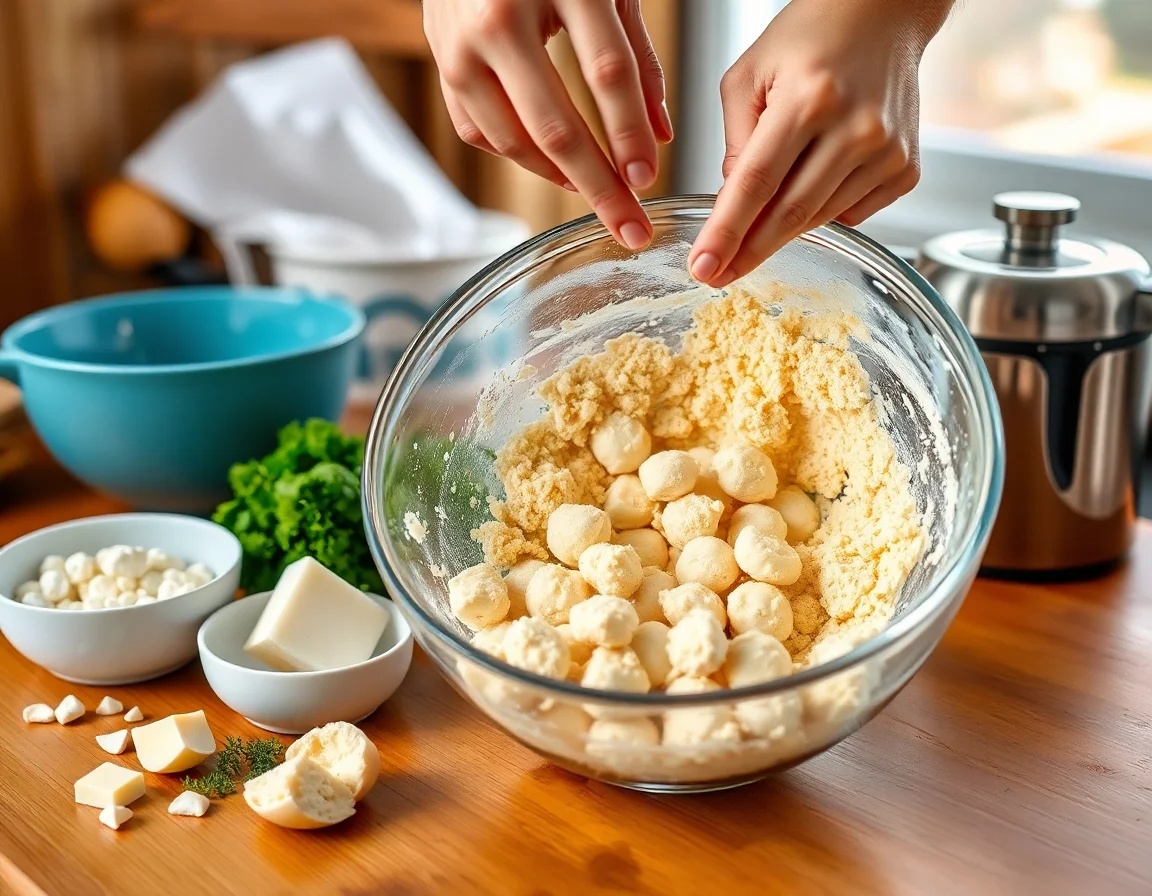
In the annals of culinary history, few confections boast a lineage as rich and evocative as the humble almond macaroon. Far from its vibrant, modern Parisian sandwich counterpart, the original macaroon, a delicate dance of almond paste, sugar, and egg whites, represents a testament to enduring flavors and the profound journey of ingredients across continents and cultures. This simple yet profound recipe is a whisper from centuries past, a window into a world where sweetness was a luxury and almonds a cherished commodity.
Our story begins not in the chic patisseries of Paris, but in the sun-drenched cloisters of Renaissance Italy. It’s here, perhaps as early as the 8th century in Venetian monasteries, that the precursor to the macaroon is believed to have taken shape, though concrete recipes emerged later in the 16th century. The very name, ‘macaroon,’ is derived from the Italian ‘maccarone’ or ‘maccherone,’ a term then loosely applied to various delicate pastries or dumplings. These early versions were single, chewy-crisp almond cookies, born from necessity and ingenuity, often crafted by nuns as a simple, enduring treat.
Then, in 1533, destiny intervened in the form of Catherine de’ Medici. When she journeyed from Florence to marry Henry II of France, she brought with her not just an entourage of courtiers, but also her skilled Italian pastry chefs. These culinary artisans introduced the ‘maccherone’ to the French court, where it quickly captivated palates and began its slow, graceful evolution. For centuries, the French macaron remained a rustic, single cookie, adored for its elegant simplicity and the sheer indulgence of its ingredients.
The essential components of this seemingly modest biscuit—almonds and sugar—are themselves chronicles of global migration. Almonds, native to the arid landscapes of Central Asia and the Middle East, traveled west along ancient trade routes, becoming an integral part of Mediterranean cuisine long before their transformation into a macaroon. Sugar, too, embarked on an epic voyage, originating in the sugarcane fields of tropical South Asia, traversing Persia and the Arab world, before finally reaching European shores via the Crusades and sophisticated trade networks. The confluence of these precious ingredients in a single confection speaks volumes about the interconnectivity of ancient civilizations and the relentless human quest for flavor.
Crafting these historical almond macaroons is a meditative act, connecting you directly to generations of bakers. The key lies in the quality of your almond paste and the precise incorporation of air into your egg whites. Achieving that perfect chewiness with a delicate crisp exterior requires patience and a gentle hand. Unlike their finicky Parisian cousins, these original macaroons forgive slight imperfections, offering a robust almond flavor that truly shines. They are not merely a dessert; they are edible artifacts, offering a taste of history and a testament to the enduring power of food to transcend time and borders.
ALMOND MACAROONS
Transport yourself to an era of refined indulgence with these exquisite Almond Macaroons. Each bite unveils a delicate balance of sweet almond essence and a wonderfully chewy texture, making them the quintessential accompaniment to an elegant afternoon tea or a sophisticated light dessert. Crafted with precision from a trinity of almond paste, fine sugar, and pristine egg whites, these confections bake into golden-hued morsels that are both timelessly comforting and distinctly gourmet.
Ingredients
- 1 cup almond paste approx. ½ pound
- 1 cup sugar None
- 3 None egg whites amount may vary for desired consistency
Instructions
-
Commence by bringing together the rich almond paste and fine granulated sugar in a robust mixing bowl or the bowl of a stand mixer.
-
Thoroughly integrate the components, working the mixture until it achieves a smooth, homogenous consistency, free of any visible lumps.
-
Introduce the egg whites progressively, one at a time, ensuring each addition is fully incorporated before proceeding. Exercise discerning judgment regarding the precise quantity of egg whites required to attain the optimal batter texture.
-
The ideal consistency for this macaroon mixture should be one that flows effortlessly through a pastry tube, yet possesses sufficient body to maintain its structural integrity when piped onto a baking surface.
-
Once the batter reaches this perfected, smooth state, either meticulously portion it onto a prepared baking sheet using the tip of a small spoon or expertly pipe it into uniform small cookies with a pastry bag.
-
Bake until the macaroons develop a faint golden hue and are pleasantly set to the touch.
Recipe Notes
The ultimate success of these macaroons hinges critically on achieving the correct batter consistency; therefore, exercise prudence and discretion when incorporating the egg whites. While specific baking parameters are not prescribed, these delightful confections typically require a moderate oven temperature until they are firm and acquire a subtle, inviting color.
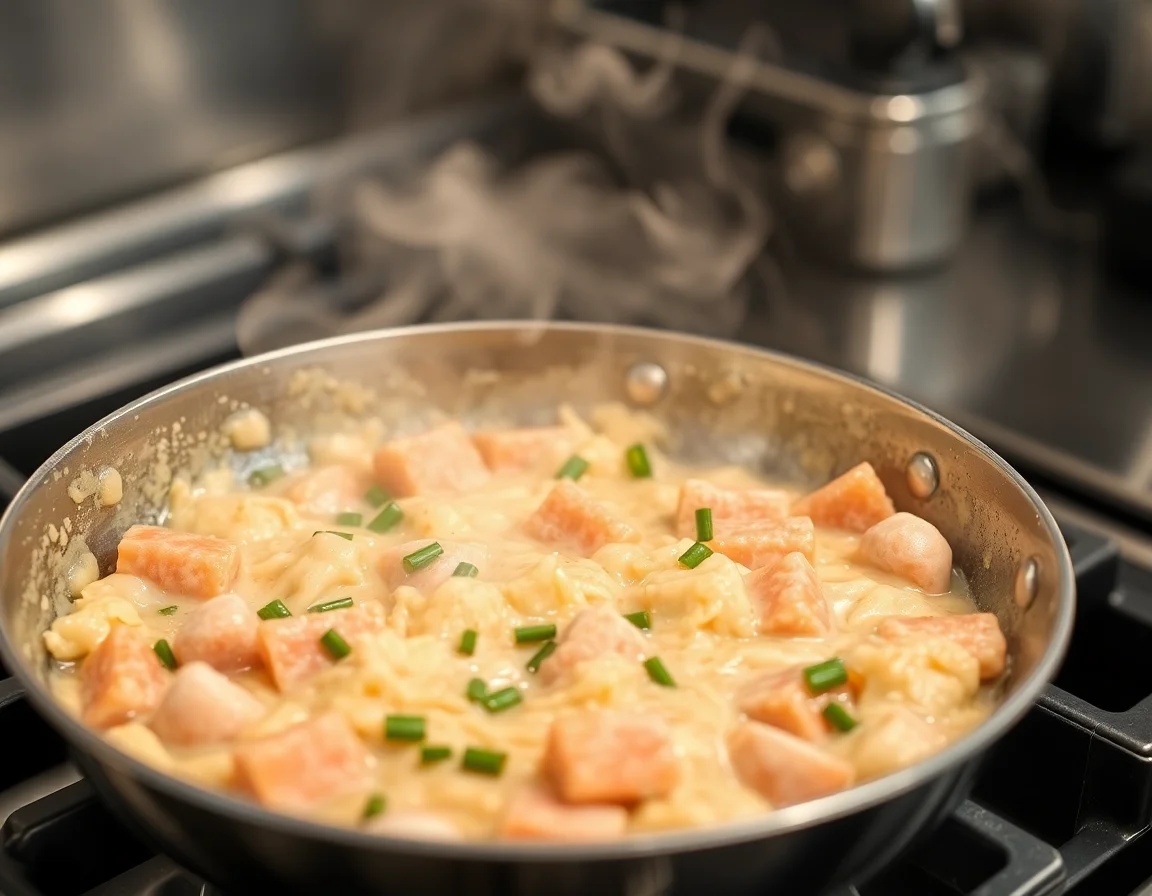
Editorial View: Active cooking process and preparation steps for ALMOND MACAROONS.
Global Heritage Archive
Anthropological & Spice Migration Record
“A culinary tradition rooted in Italian Renaissance confectionery, emphasizing delicate almond-based sweets that evolved into an iconic European patisserie item.”
🌿 Spice & Botanical Migration
The recipe’s key ingredients, almonds (Prunus dulcis) and sugar (Saccharum officinarum), are potent migration indicators. Almonds originated in Central Asia and the Middle East, spreading westward across ancient trade routes to the Mediterranean, where they became a dietary staple. Sugar, native to tropical South Asia and Southeast Asia, journeyed west through Persia and the Arab world, reaching Europe via the Crusades and trade, eventually becoming widely accessible through colonial plantations.
🏺 Historical & Archaeological Record
The earliest unambiguous written recipes for an almond-based biscuit similar to the macaroon can be traced to 16th-century Italy, with its formal introduction to the French court attributed to Catherine de’ Medici in 1533 and documented in French culinary texts from the mid-17th century.
💡 Little Known Facts
- The original macaron was a simple, single almond-meringue cookie, not the sandwich-style popular today.
- They were historically made in Italian monasteries as early as the 8th century, though formal recipes appeared much later.
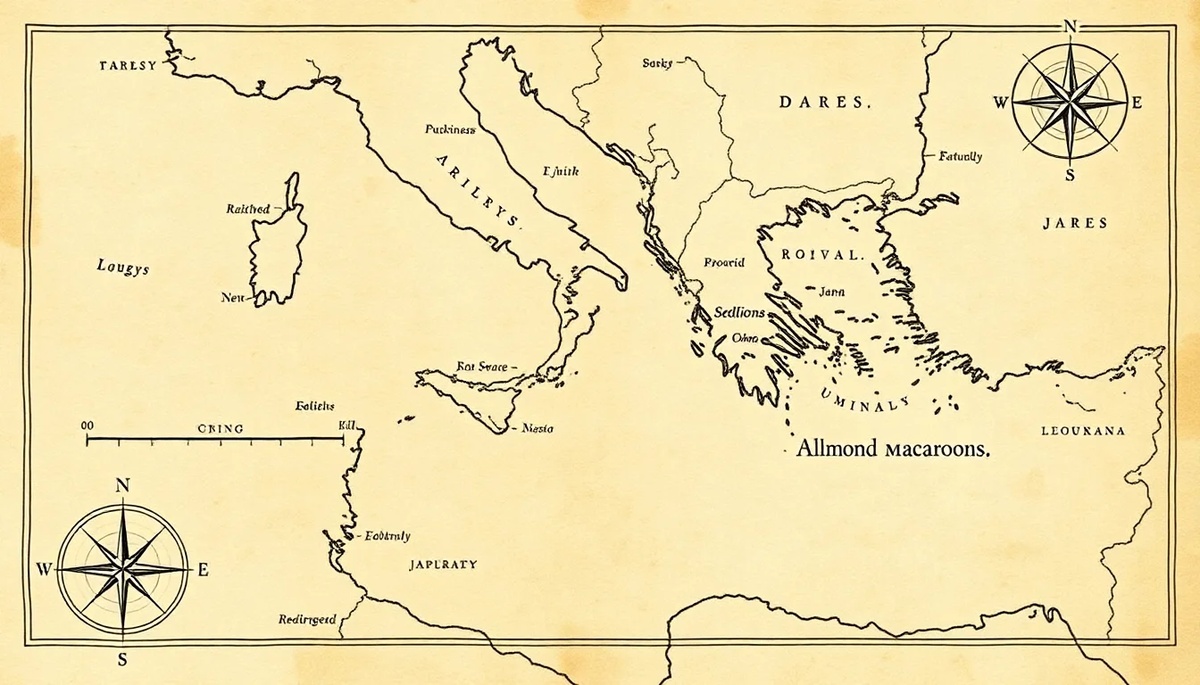
Historical Locality Cartographic Map — Mestizo Media Archive
📸 Made This Heritage Recipe?
We would love to see how your dish turned out! Send a photo of your culinary creation to [email protected] to be featured in our community gallery.
Leave a review and rate this recipe below!
Curated Literature & Washington DC Downtown Calendar
The Culinary Alchemist: Modern Gastronomy & Flavor Pairing
By LDN Gastronomy Series
Artisanal technique, seasonal sourcing, and kitchen mastery.
Upcoming Downtown Happenings
Live acoustic sessions, gallery receptions, literary salons, and independent trade shows across Washington DC.
